
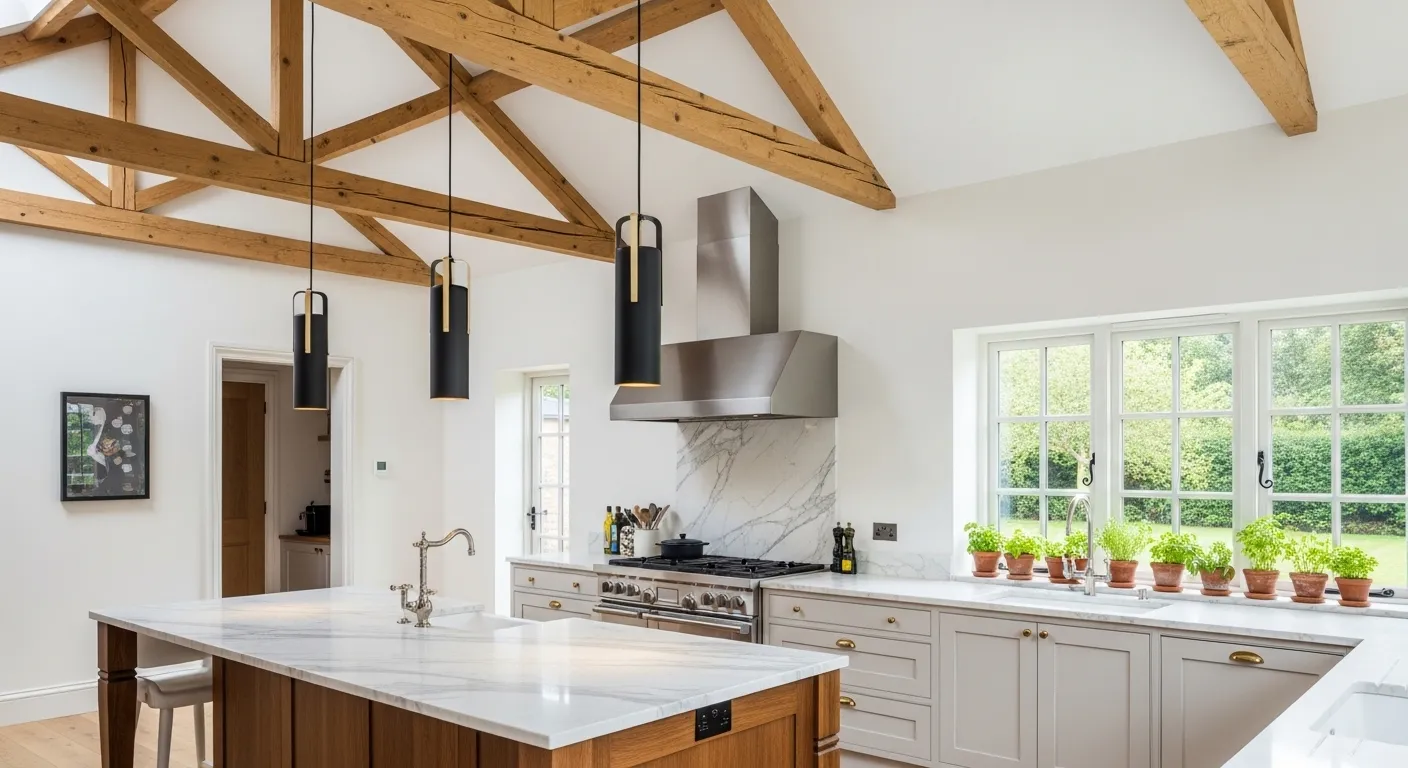
Creating a home that feels open, airy, and practical often starts in the heart of the house, which is why scandinavian kitchen design ideas are so popular among modern homeowners. This design philosophy focuses on simplicity, utility, and beauty, blending clean lines with cozy textures to create a space that is efficient yet welcoming. Whether you are planning a full renovation or just looking to refresh your current layout, incorporating Nordic elements can transform your cooking area into a bright and functional sanctuary.
Crisp White Cabinetry
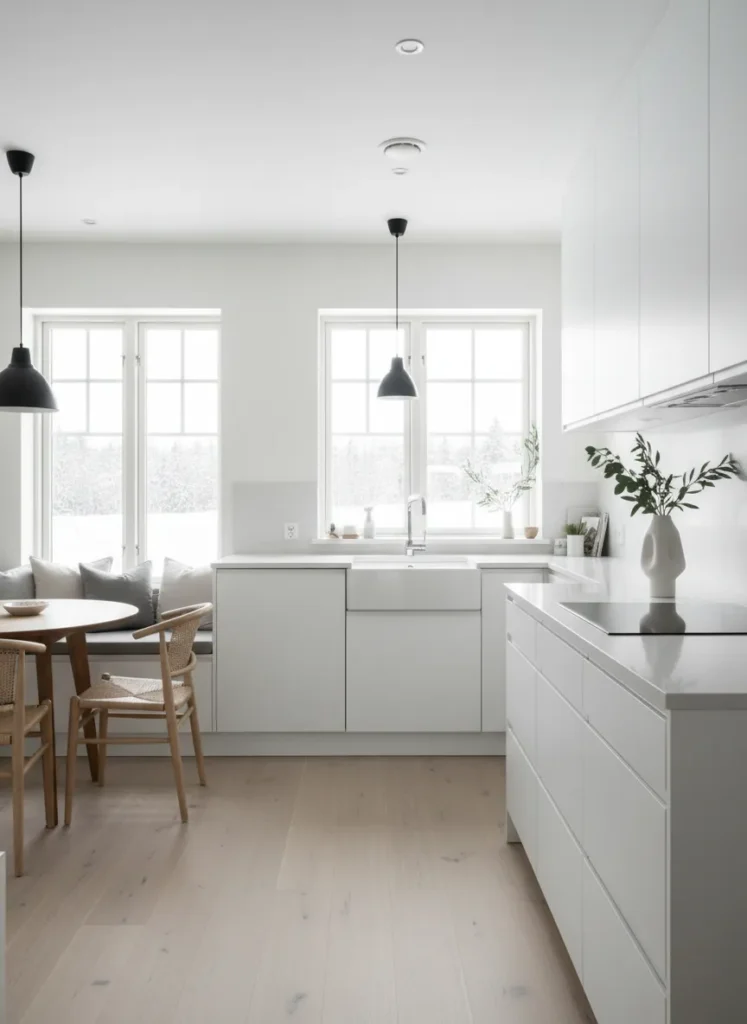
One of the most defining features of Nordic interiors is the use of white on white to maximize brightness. By choosing crisp white cabinetry, you create a blank canvas that reflects natural light, making even small kitchens feel spacious and airy. This approach keeps the visual clutter to a minimum, allowing the architectural lines of the room to stand out.
To prevent the space from feeling too sterile, it is important to choose the right finish for your cabinets. A matte or satin finish often looks more sophisticated and softer than high-gloss lacquer in a Scandinavian setting. This foundation allows you to easily swap out accessories or add colorful touches later without clashing with the permanent fixtures.
Blonde Wood Textures
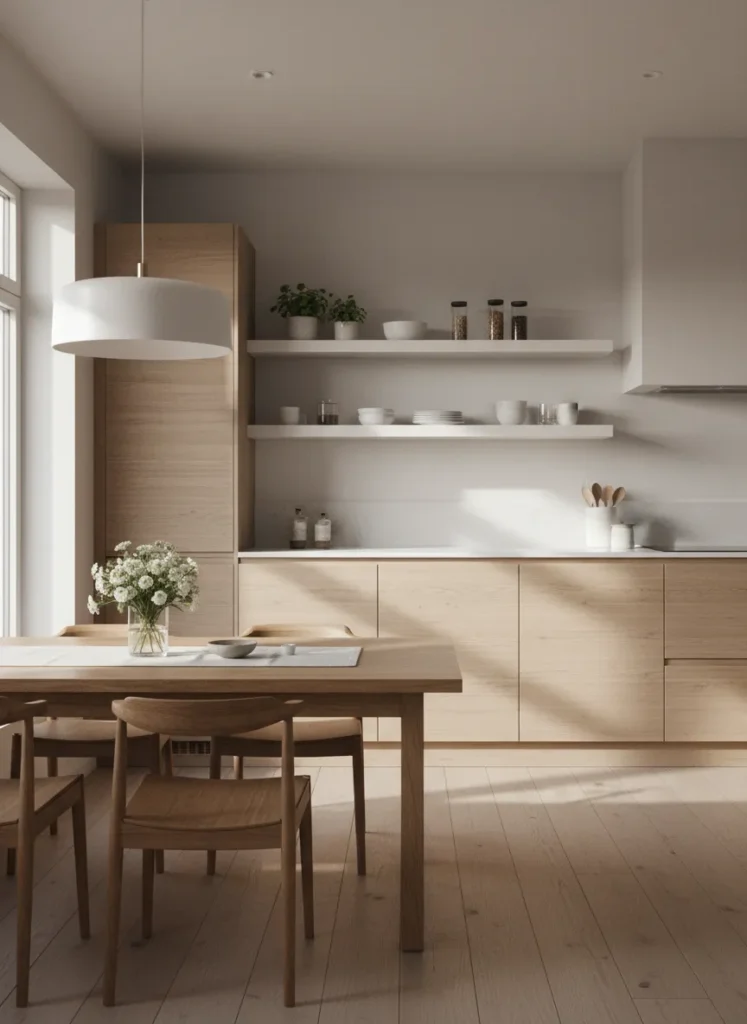
Incorporating blonde woods like ash, birch, or pale oak is essential for adding warmth to a cool color palette. These light wood tones introduce a natural element that grounds the room without making it feel heavy or dark. You can use wood for the flooring, the countertops, or the cabinetry itself to bring an organic touch to the design.
The key to this look is keeping the wood grain visible but subtle. Avoid dark stains or overly rustic textures that might disrupt the clean lines typical of this style. A light wood island or a set of wooden bar stools can serve as the perfect contrast to white walls, creating a cozy and inviting atmosphere.
Minimalist Open Shelving
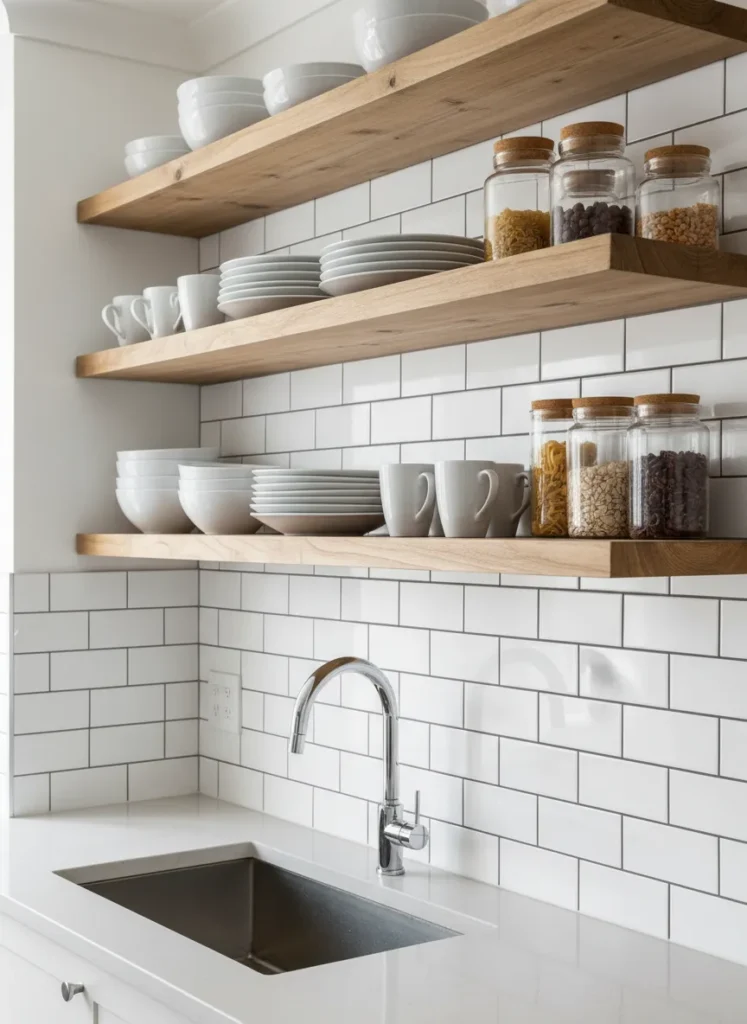
Open shelving is a staple in many Scandinavian homes because it encourages organization and keeps everyday items within easy reach. Replacing heavy upper cabinets with floating wood or white shelves opens up the visual space, making the kitchen feel larger. It turns your dishware into a part of the decor, requiring you to curate what you display.
Functionality is paramount here, so only display items that are used frequently or bring joy to the space. Stacking neat piles of white plates, clear glass jars for dry goods, or a few favorite cookbooks can add personality. This design choice motivates you to keep clutter at bay, adhering to the functional roots of the style.
Matte Black Hardware
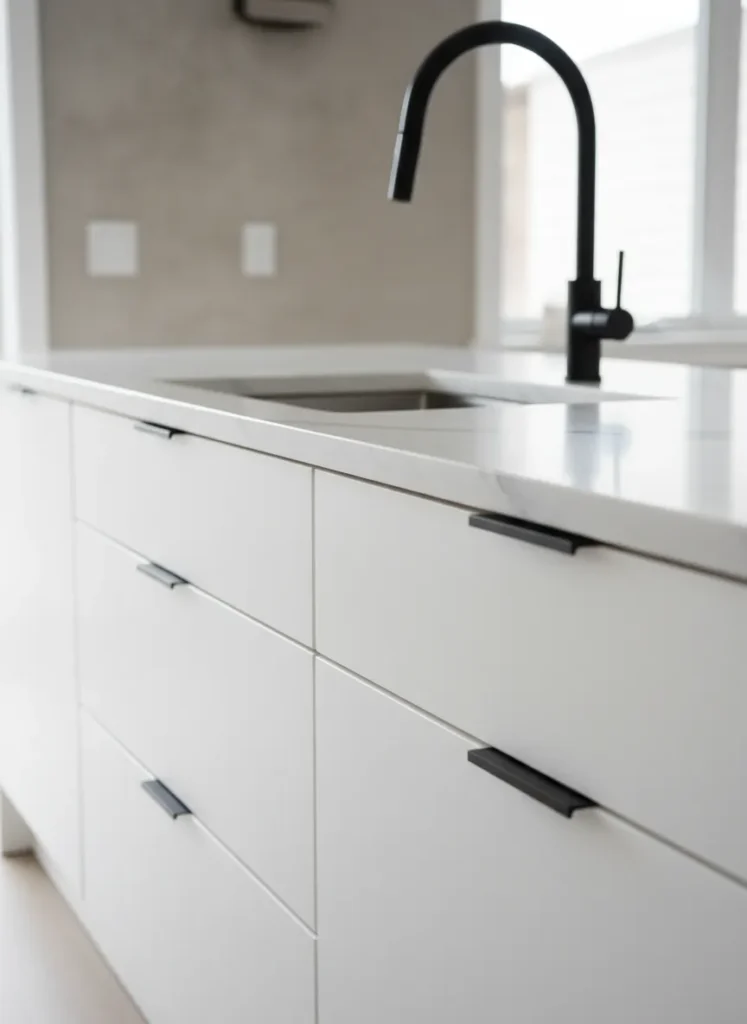
To add depth and definition to a mostly light room, matte black hardware acts as a striking contrast. Installing black handles, faucets, or light fixtures against white cabinets creates a modern and graphic look that is very popular in Nordic design. This high-contrast approach prevents the room from washing out and adds a touch of industrial edge.
You do not need to go overboard with black accents to make an impact. A slender black faucet or simple bar pulls on the drawers are often enough to anchor the design. The matte finish is crucial as it absorbs light rather than reflecting it, maintaining the soft and understated elegance of the room.
Statement Pendant Lighting
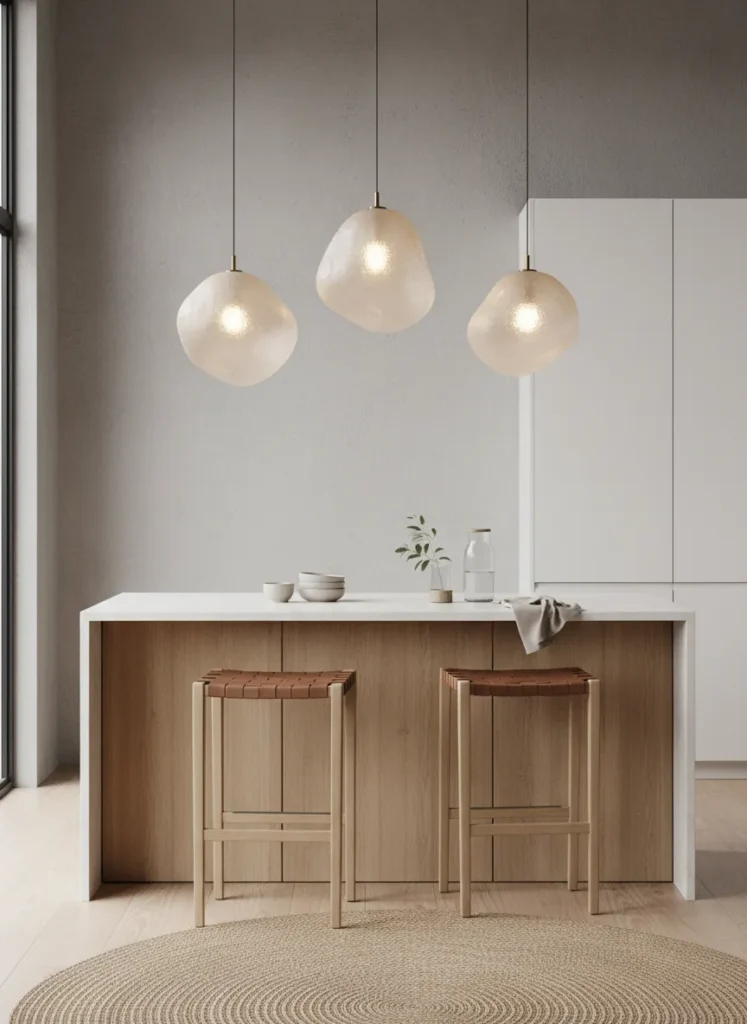
Lighting is a critical component of Scandinavian design due to the long, dark winters in the region. Large pendant lights hung over a dining table or kitchen island serve as both a functional light source and a piece of art. Look for fixtures with smooth curves and simple shapes made from metal, glass, or wood.
The placement of these lights helps define different zones within an open-plan kitchen. A row of low-hanging pendants creates an intimate atmosphere for cooking or eating. Choosing warm-toned bulbs is also essential to ensure the light feels cozy and inviting rather than harsh and clinical.
Classic Subway Tiles
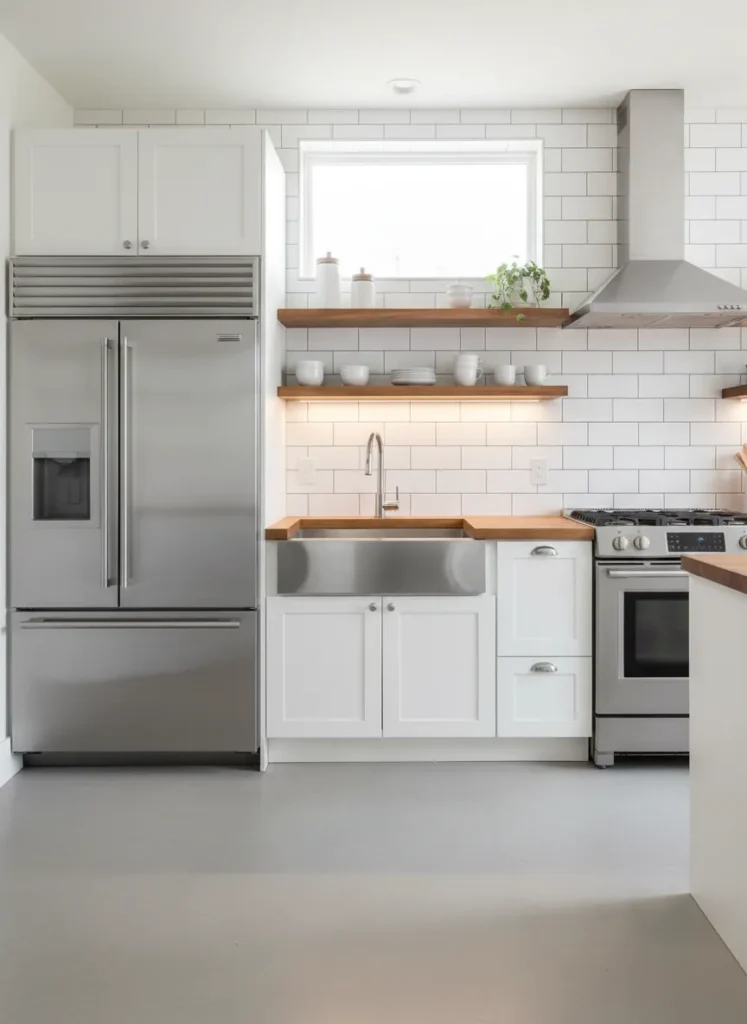
White subway tiles are a timeless choice that fits perfectly with the practical nature of Scandinavian design. They are affordable, easy to clean, and reflect light beautifully, contributing to the overall brightness of the room. Laying them in a traditional brick pattern offers a sense of order and symmetry that is pleasing to the eye.
For a slight twist, you can use dark grey grout to make the individual tiles pop and add a graphic element to the walls. This also has the practical benefit of hiding stains better than white grout. The result is a clean, industrial-inspired backdrop that complements both wood and metal accents.
Indoor Greenery
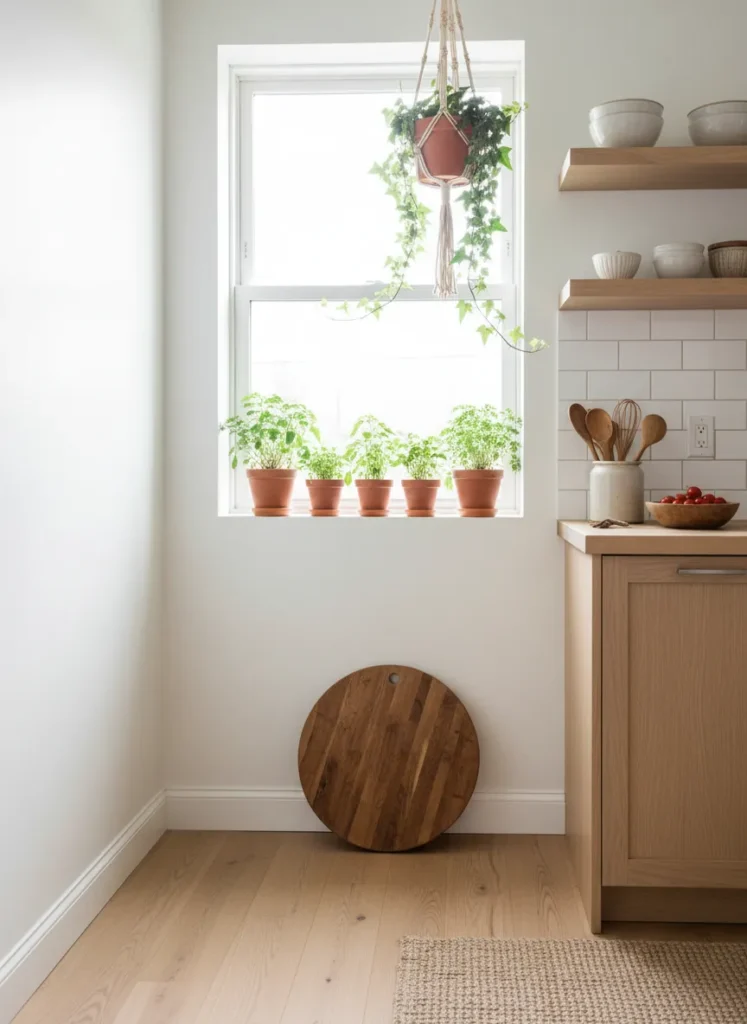
Bringing nature inside is a fundamental concept in Nordic living, helping to bridge the gap between the outdoors and the indoors. Adding potted plants, fresh herbs, or a vase of branches introduces vibrant green color and life to a neutral kitchen. Plants also improve air quality and soften the hard lines of cabinetry and appliances.
You can place small pots of basil and mint on the windowsill for easy access while cooking. Alternatively, a trailing plant on top of a fridge or a high shelf adds visual interest at a higher level. This simple addition creates a relaxed and organic feel that makes the kitchen feel lived-in and healthy.
Functional Kitchen Island
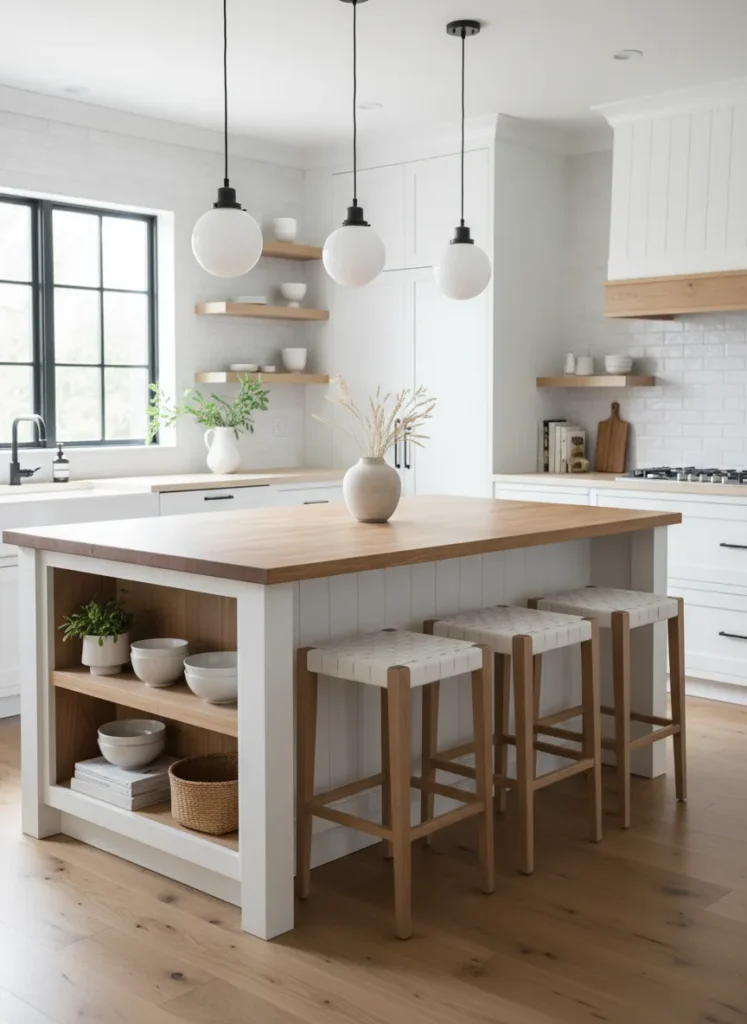
A well-designed island is often the hub of a functional Scandinavian kitchen, providing extra prep space and a social gathering spot. The design should remain sleek, often featuring hidden storage on one side and bar seating on the other. This dual purpose maximizes the utility of the floor plan without adding unnecessary bulk.
To keep the look consistent, match the island’s materials to the rest of the kitchen, or use it as a subtle accent piece with a different countertop material. Ensure there is plenty of clearance around the island for easy movement. The goal is to facilitate a smooth workflow whether you are chopping vegetables or enjoying a cup of coffee.
Concrete Countertops
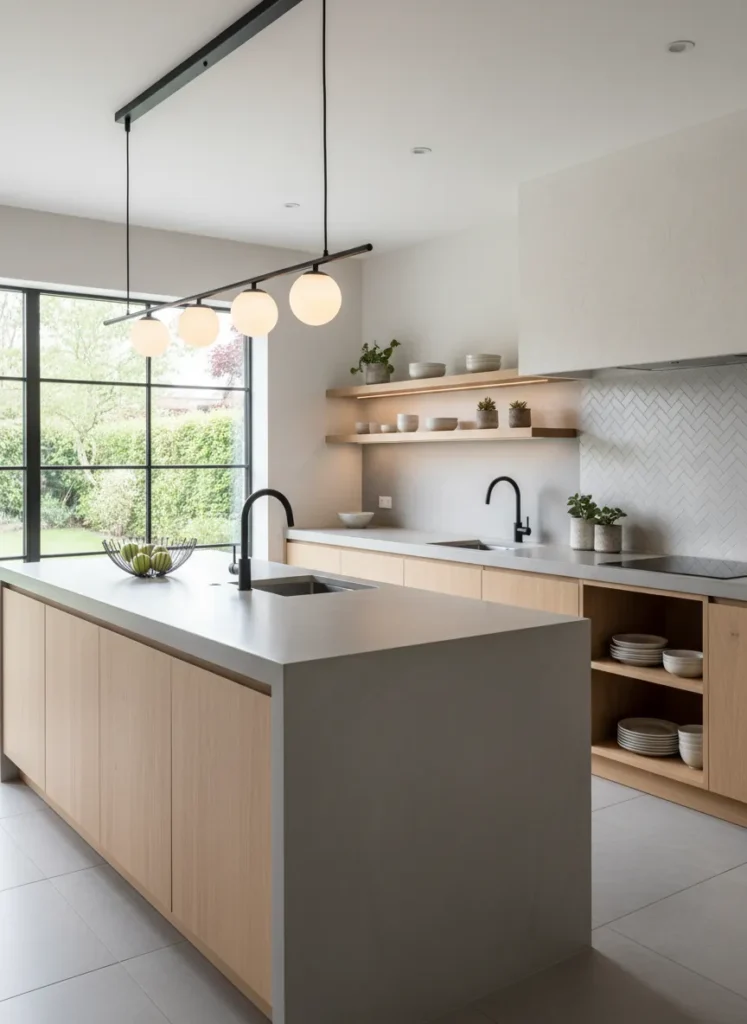
For a more modern and industrial take on the style, concrete countertops offer a durable and textural surface. The cool grey tone of concrete pairs exceptionally well with warm wood cabinets and white walls. It provides a matte surface that is robust enough to handle the wear and tear of a busy family kitchen.
Concrete creates a seamless look that feels grounded and solid. Over time, it develops a patina that adds character to the space. If pouring a full concrete slab is too difficult, there are quartz composites available that mimic the look of concrete while offering easier maintenance and stain resistance.
Soft Pastel Accents
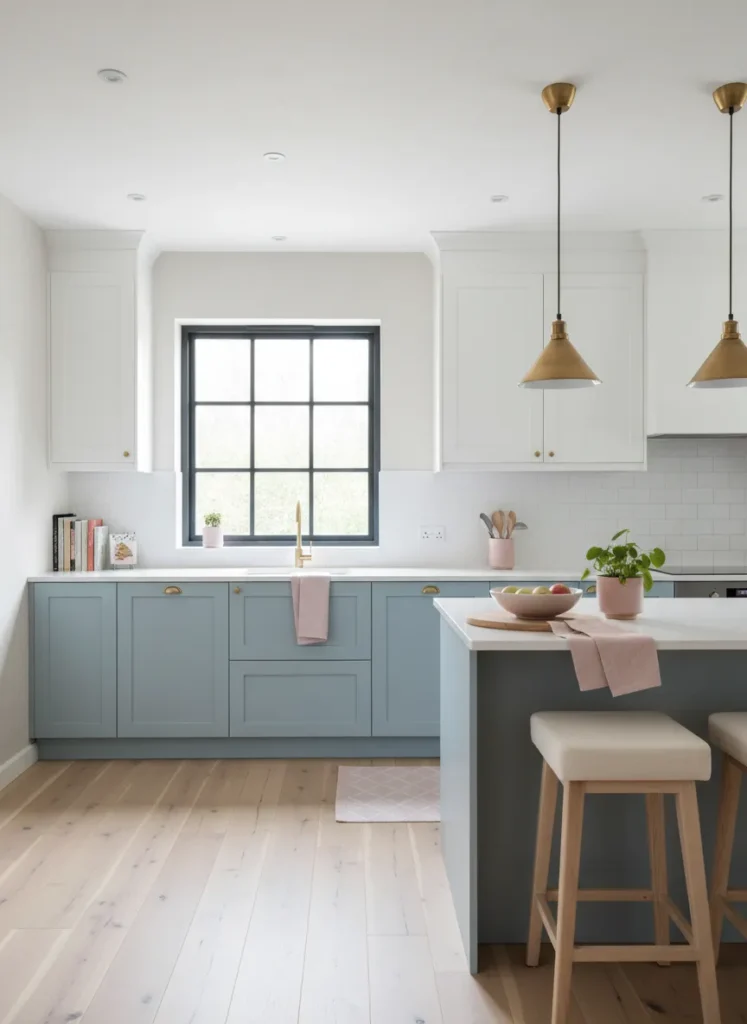
While monochrome is common, Scandinavian design also embraces soft, muted colors. incorporating pastels like sage green, dusty pink, or pale blue can inject personality into the kitchen without overwhelming the senses. These colors can be applied to a feature wall, the backsplash, or even the lower cabinetry.
The key is to choose desaturated shades that feel calm and serene. These hints of color work harmoniously with natural wood and white, maintaining the bright and airy vibe. It is a great way to make the space feel unique and cheerful while sticking to a disciplined color palette.
Herringbone Flooring
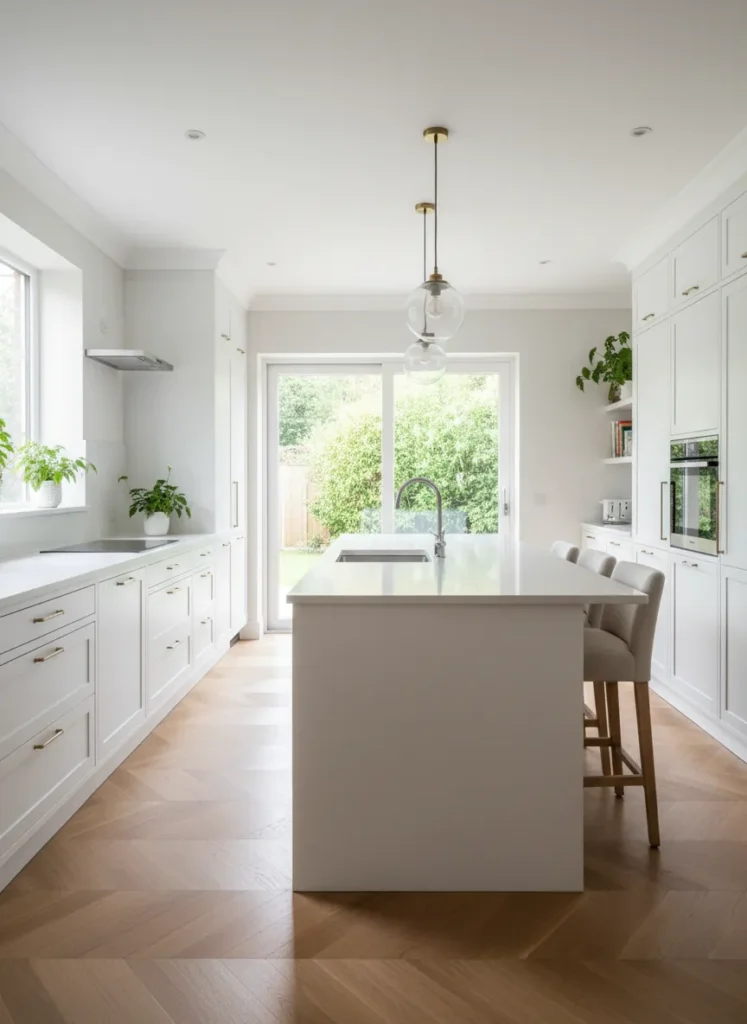
Flooring plays a huge role in setting the tone for the room, and a herringbone pattern adds a touch of elegance and movement. Using light wood planks arranged in this zig-zag pattern creates visual interest and texture on the ground level. It draws the eye through the room and can make a narrow kitchen appear wider.
This classic pattern works beautifully in modern homes, bridging the gap between traditional craftsmanship and contemporary design. Keep the finish matte and natural to stay true to the aesthetic. A high-quality wood floor in this style provides a warm foundation that balances out cool white walls and appliances.
Cozy Breakfast Nook
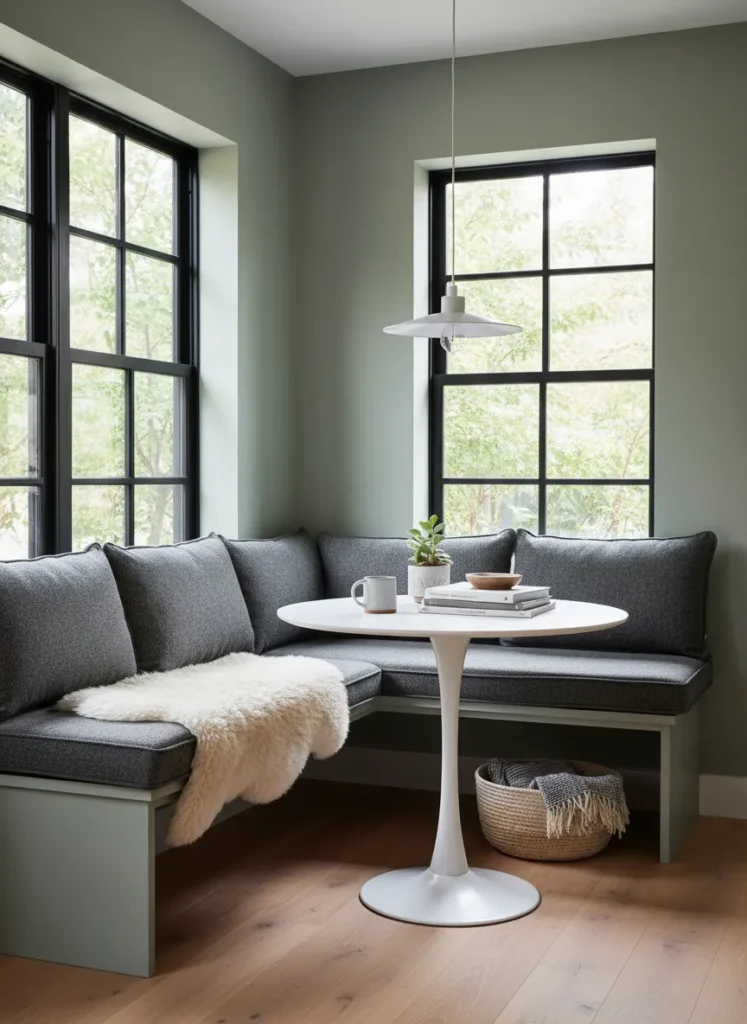
Creating a small, dedicated space for eating helps to make the kitchen a social center. A cozy breakfast nook with a built-in bench or a small round table fits perfectly into the concept of ‘hygge’, or cozy living. This area invites you to slow down and enjoy your morning routine in comfort.
Use soft textiles like cushions or a sheepskin throw on the bench to add warmth and texture. A pendant light hanging low over the table creates an intimate zone separate from the main work area. This efficient use of a corner maximizes space in smaller kitchens while adding a charming lifestyle element.
Integrated Appliances
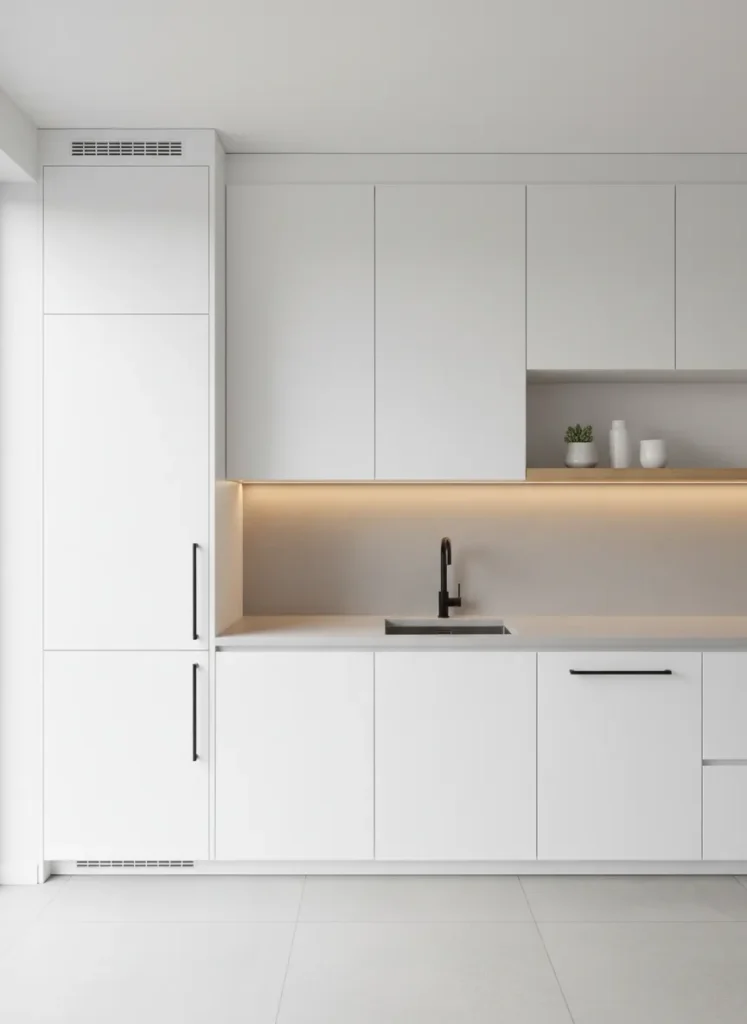
To maintain the seamless and uncluttered look that is vital to this design style, integrated appliances are a smart choice. concealing the refrigerator and dishwasher behind cabinet panels creates a continuous flow of cabinetry. This prevents large metal boxes from dominating the visual landscape of the room.
The result is a kitchen that feels more like a furnished room than a utility space. It allows the eye to rest on the materials and textures rather than the equipment. If full integration isn’t possible, grouping appliances together in a designated bank can also help maintain a tidy and organized appearance.
Marble Backsplash
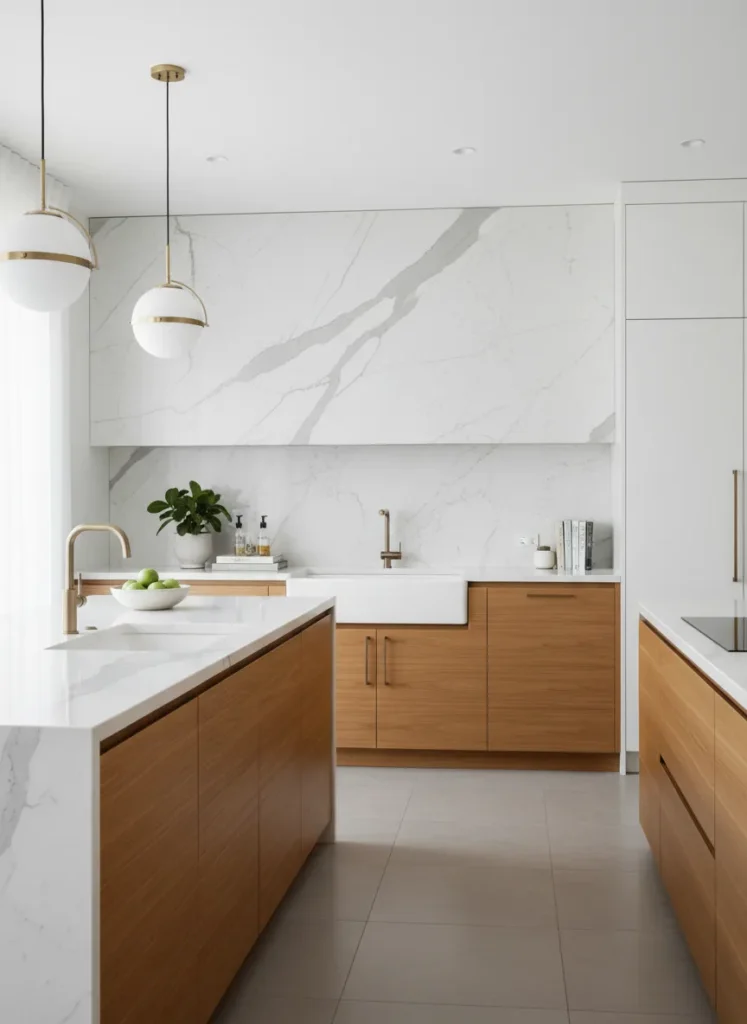
For a touch of luxury that doesn’t sacrifice minimalism, a marble backsplash is an excellent addition. The natural veining in the stone adds organic patterns and movement to the walls without adding clutter. White Carrara marble is a classic choice that pairs seamlessly with the Nordic color palette.
Using a solid slab rather than tiles reduces grout lines, creating a clean and sophisticated surface. It reflects light softly and elevates the overall finish of the kitchen. While marble requires some care, its timeless beauty makes it a worthy focal point in a simple design scheme.
Woven Textures
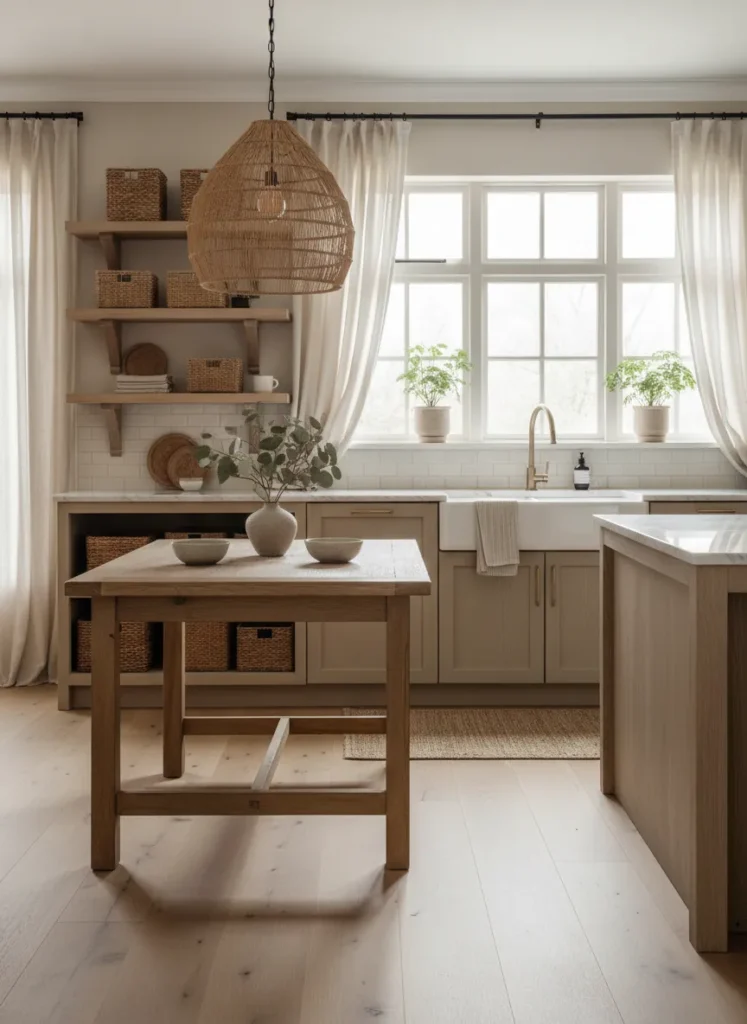
Texture is the secret ingredient that prevents a white kitchen from feeling cold. Introducing woven elements like rattan pendant lights, wicker storage baskets, or jute rugs adds layers of warmth. These natural materials complement the wood tones and bring a tactile quality to the space.
You can place woven baskets on open shelves to hide miscellaneous items, combining storage with style. The organic imperfections in these materials contrast beautifully with the smooth surfaces of quartz or laminate. It creates a relaxed, lived-in vibe that is characteristic of a welcoming Scandinavian home.
Two-Tone Cabinetry
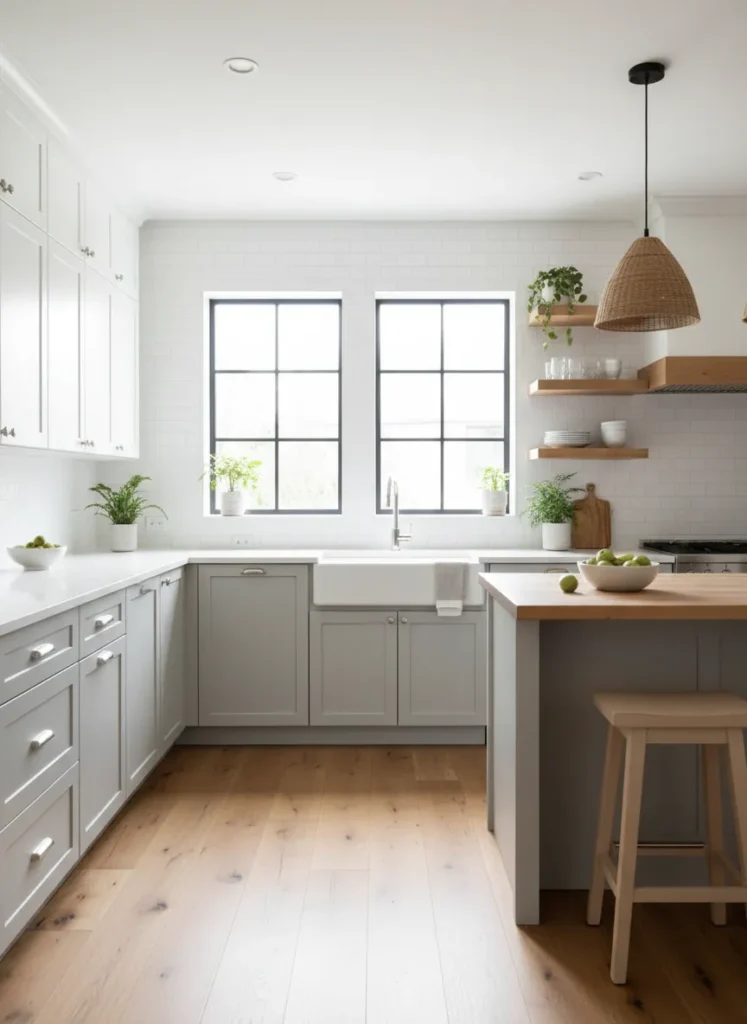
Two-tone cabinetry is a clever way to add visual weight to the bottom of the room while keeping the top feeling light. A popular combination is using soft grey or wood tones for the lower cabinets and white for the uppers. This grounds the kitchen and adds dimension without darkening the space.
This technique also tricks the eye into thinking the ceilings are higher, as the lighter upper cabinets blend into the walls. It allows you to experiment with color or wood grain in a controlled way. The result is a balanced aesthetic that feels dynamic yet stable.
Maximized Natural Light
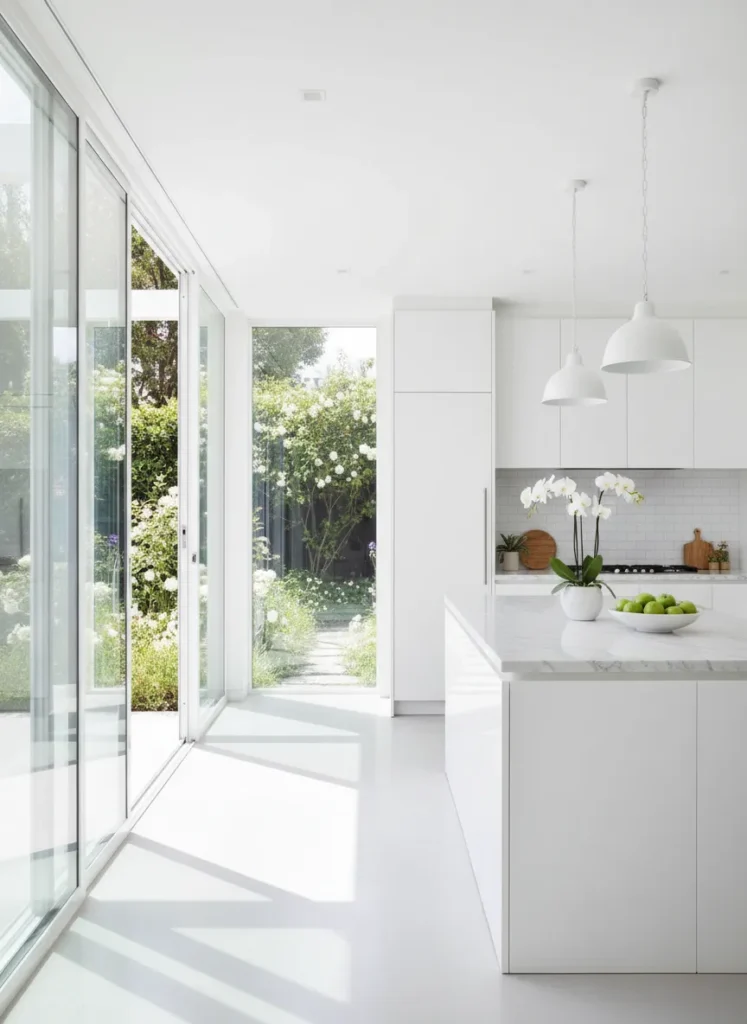
Scandinavian design prioritizes natural light above almost everything else. If you are renovating, consider enlarging windows or adding skylights to flood the room with sun. For existing windows, skip heavy drapes and opt for sheer linen curtains or leave them completely bare to let in as much light as possible.
Reflective surfaces, such as glossy tiles or mirrors placed opposite a window, can help bounce light into darker corners. Keeping the window sills clear of clutter also ensures nothing blocks the view or the sunshine. This connection to the outdoors changes the mood of the kitchen throughout the day.
Vertical Pegboard Storage
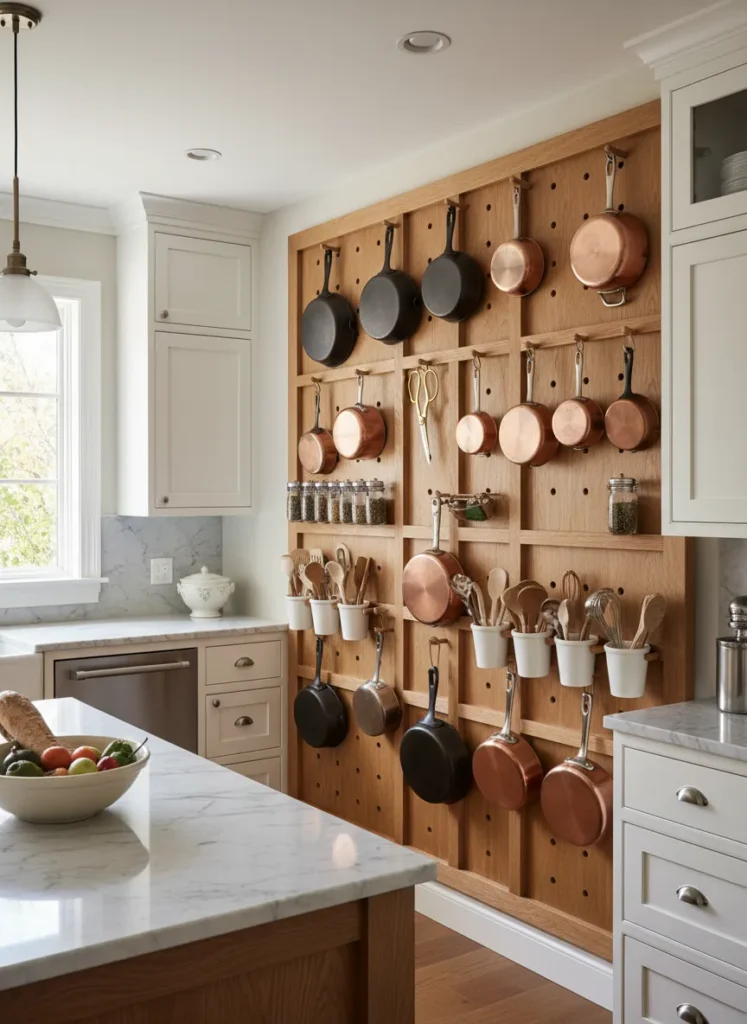
Functionality meets creativity with the addition of a pegboard wall. This versatile storage solution allows you to hang pots, pans, and utensils exactly where you need them. It is highly customizable, meaning you can move pegs and shelves around as your needs change.
A birch plywood pegboard adds a nice wooden texture to the wall and acts as a functional feature piece. It frees up drawer space and keeps essential tools visible and accessible. This utilitarian approach is very much in line with the practical ethos of Scandinavian living.
Butcher Block Countertops
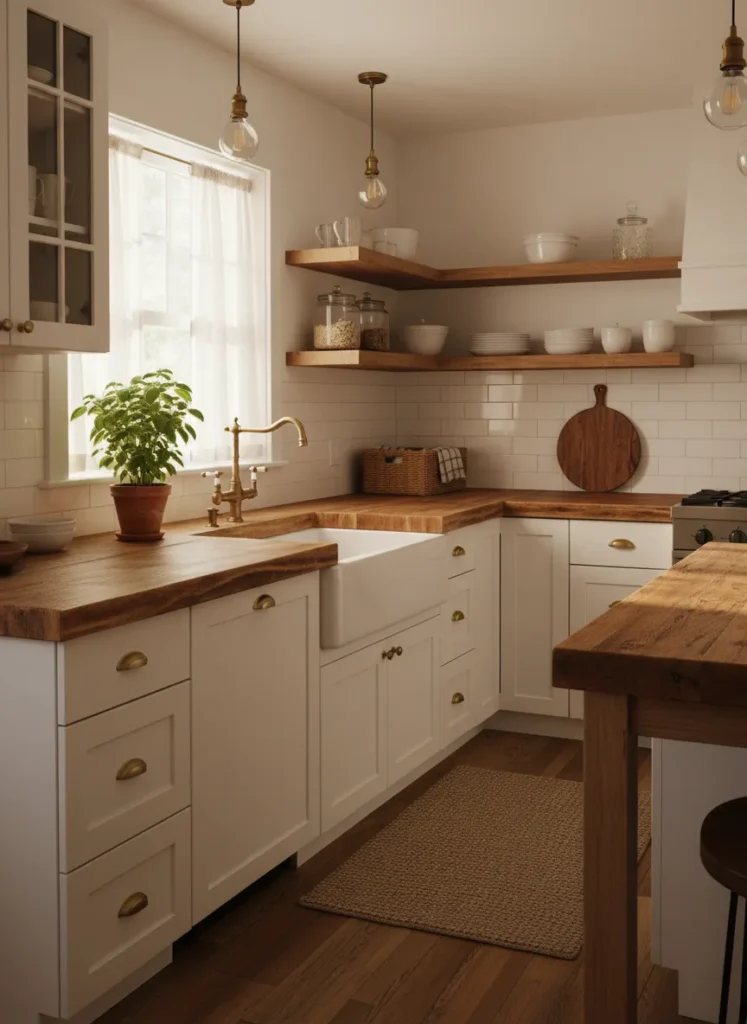
Butcher block countertops are an affordable and effective way to introduce large amounts of wood warmth into a white kitchen. They feel soft to the touch and dampen the sound of pots and pans, making the kitchen quieter. Regular oiling keeps them looking fresh and rich in color.
The wood contrasts crisply with white cabinetry and appliances, creating a classic Scandi look. Over time, the wood will gain a few marks and scratches, but this patina is often embraced as part of the home’s story. It removes the pretension from the space, making it feel like a working kitchen.
Textured Rug Runners
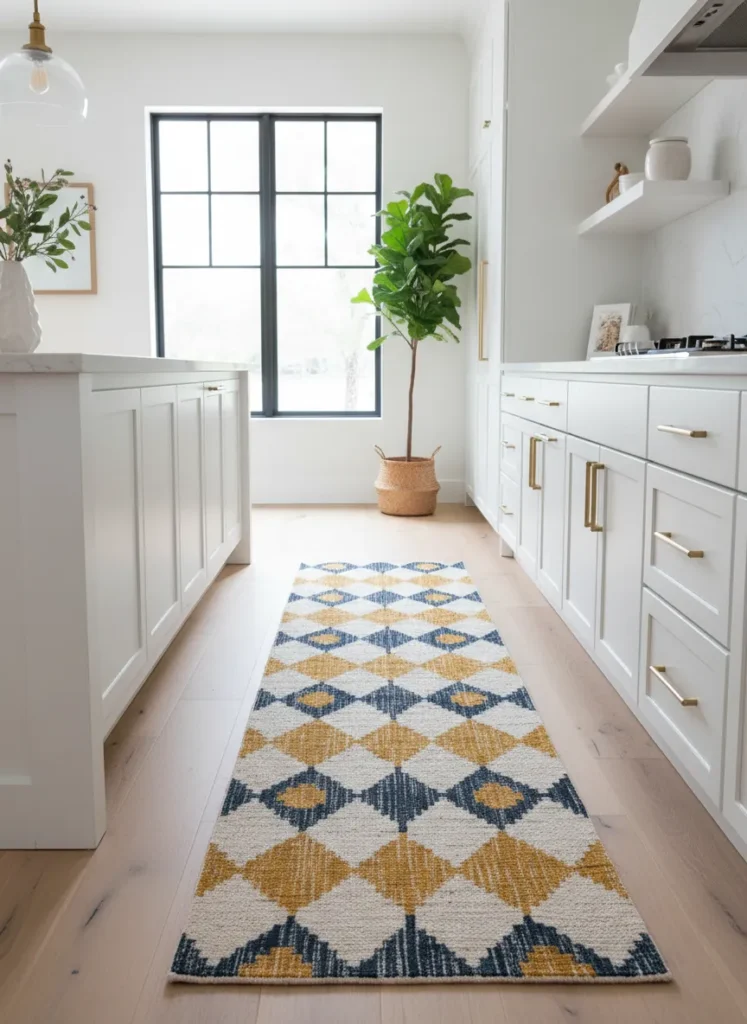
Hard flooring is standard in Nordic kitchens, so adding a runner rug provides necessary comfort underfoot. A rug with a simple geometric pattern or a woven texture can define the walkway and add a layer of softness. It is also an opportunity to introduce a splash of color or a darker tone to anchor the floor.
Choose materials that are durable and easy to clean, such as cotton or wool blends. The rug helps to absorb sound in an otherwise echo-prone room filled with hard surfaces. It makes the kitchen feel more like a living space, bridging the gap between utility and comfort.
Mid-Century Dining Chairs
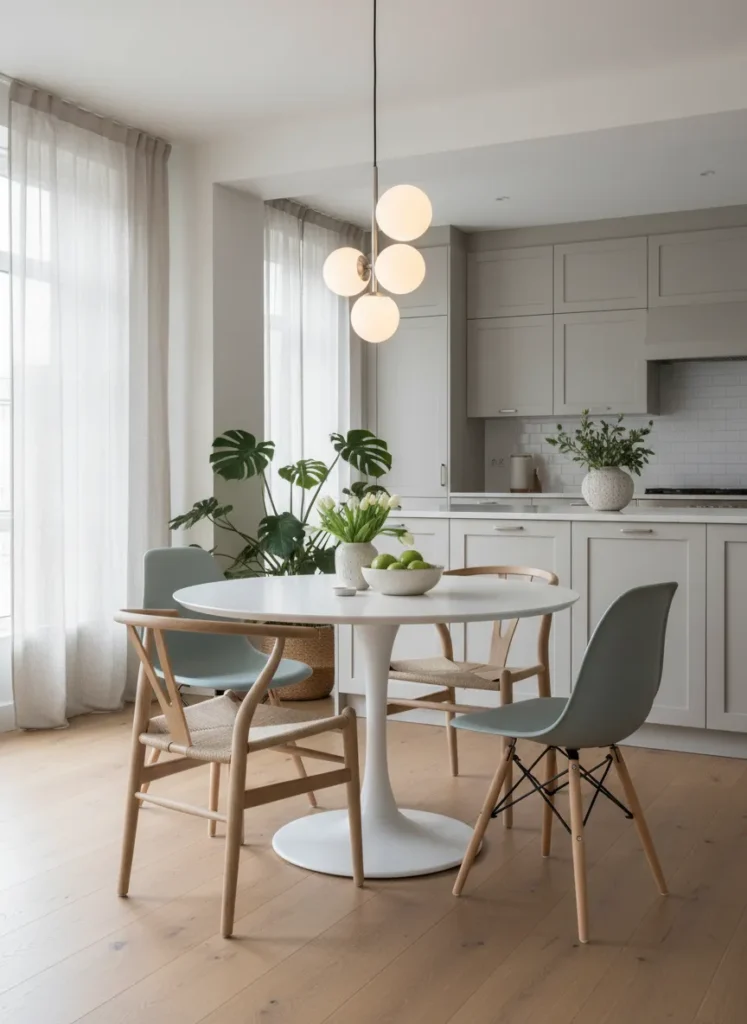
Furniture selection is key to nailing the look, and mid-century modern chairs are often the go-to choice. Iconic designs like the Wishbone chair or Eames shell chair possess the organic curves and functional simplicity that complement Scandinavian architecture. Their light visual footprint prevents the dining area from feeling crowded.
Mixing and matching different chairs can add a playful and eclectic vibe, provided they share a similar color palette or material. Whether in natural wood or white, these chairs are comfortable and stylish. They serve as sculptural elements that enhance the overall design without demanding too much attention.
Soft Grey Palette
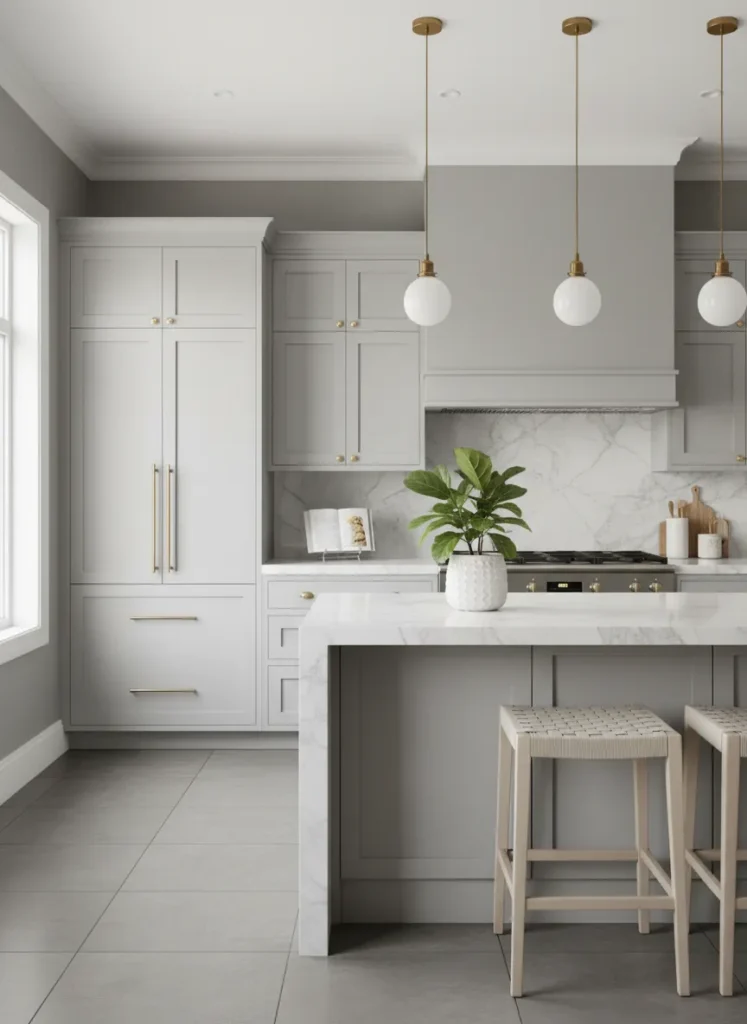
If white feels too stark for your taste, a soft grey palette is the perfect alternative. Light grey cabinets offer the same brightening effect but with a bit more depth and sophistication. This monochrome approach is calming and easy on the eyes, creating a serene environment for cooking.
Layering different shades of grey, from the floor to the cabinets and walls, creates a cohesive and cocooning effect. You can warm it up with brass hardware or wood accents. Grey is an incredibly versatile neutral that works with almost any accent color, making it a safe yet stylish investment.
Exposed Architectural Beams
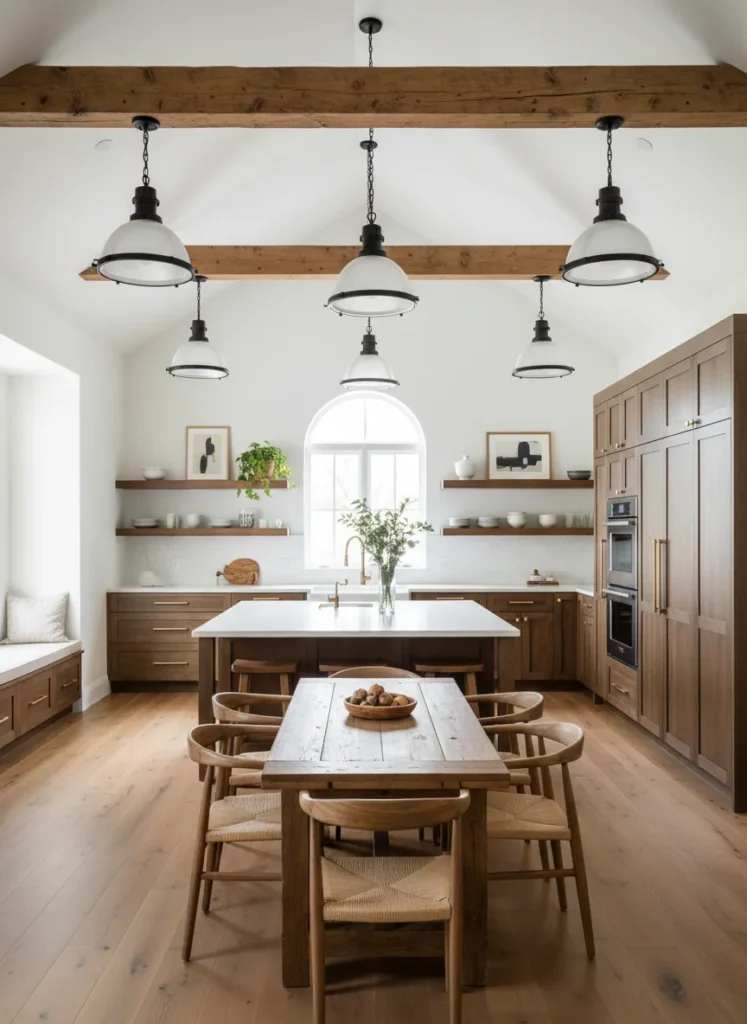
Highlighting the architectural bones of a house adds character and history. If your home has exposed wooden beams, leave them in their natural state or stain them light to frame the kitchen. These beams draw the eye upward, emphasizing the height of the room and adding a rustic touch.
In a modern build, you can install faux beams to achieve the same effect. The contrast of rough-hewn wood against smooth drywall creates a compelling texture clash. It adds a sense of shelter and structure that makes a large, open kitchen feel more intimate and grounded.
Under-Cabinet Ambiance
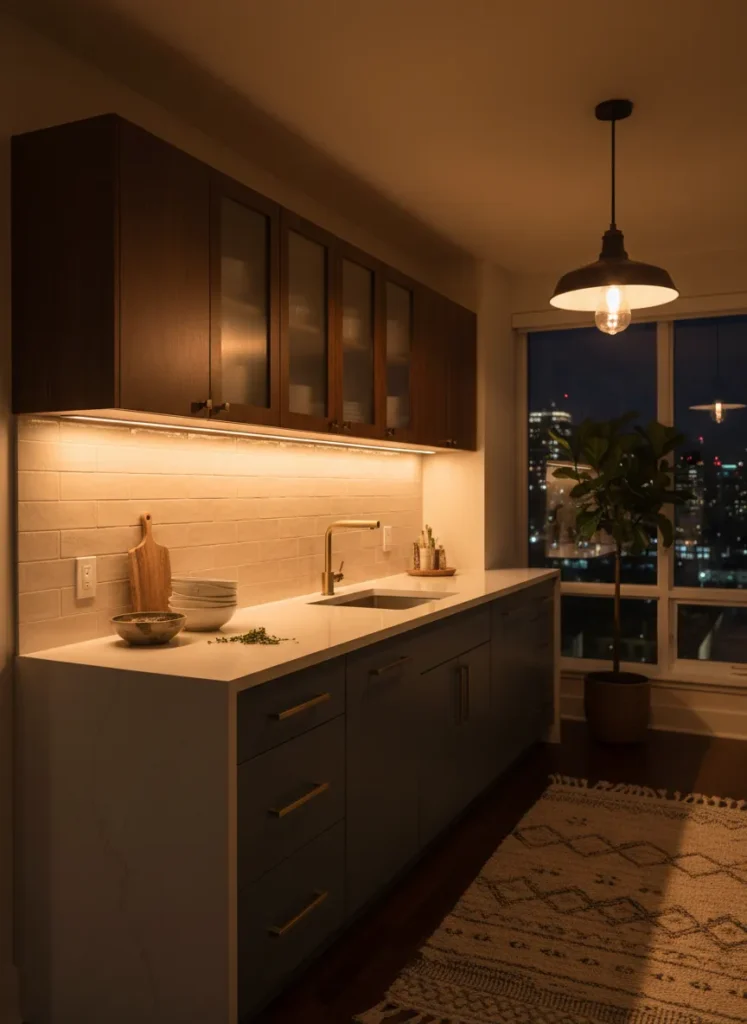
While overhead lighting is functional, under-cabinet lighting is essential for ambiance and task work. LED strips hidden beneath the upper cabinets cast a warm glow on the countertop, eliminating shadows while you chop and prep. This layered lighting approach is crucial for the long, dark Nordic evenings.
In the evening, you can turn off the main lights and leave just the under-cabinet lights on to create a soft, mood-enhancing glow. It highlights the backsplash and makes the kitchen a pleasant feature in an open-concept home, even when it is not in use. It is a practical detail that elevates the entire design.
Conclusion
Embracing scandinavian kitchen design ideas is about more than just a specific look; it is about adopting a lifestyle that values efficiency, light, and comfort. By combining functional layouts with natural materials and a restrained color palette, you can create a space that stands the test of time. Whether you choose to implement all twenty-four ideas or just a select few, the result will be a bright, functional home that brings joy to your daily routines.