
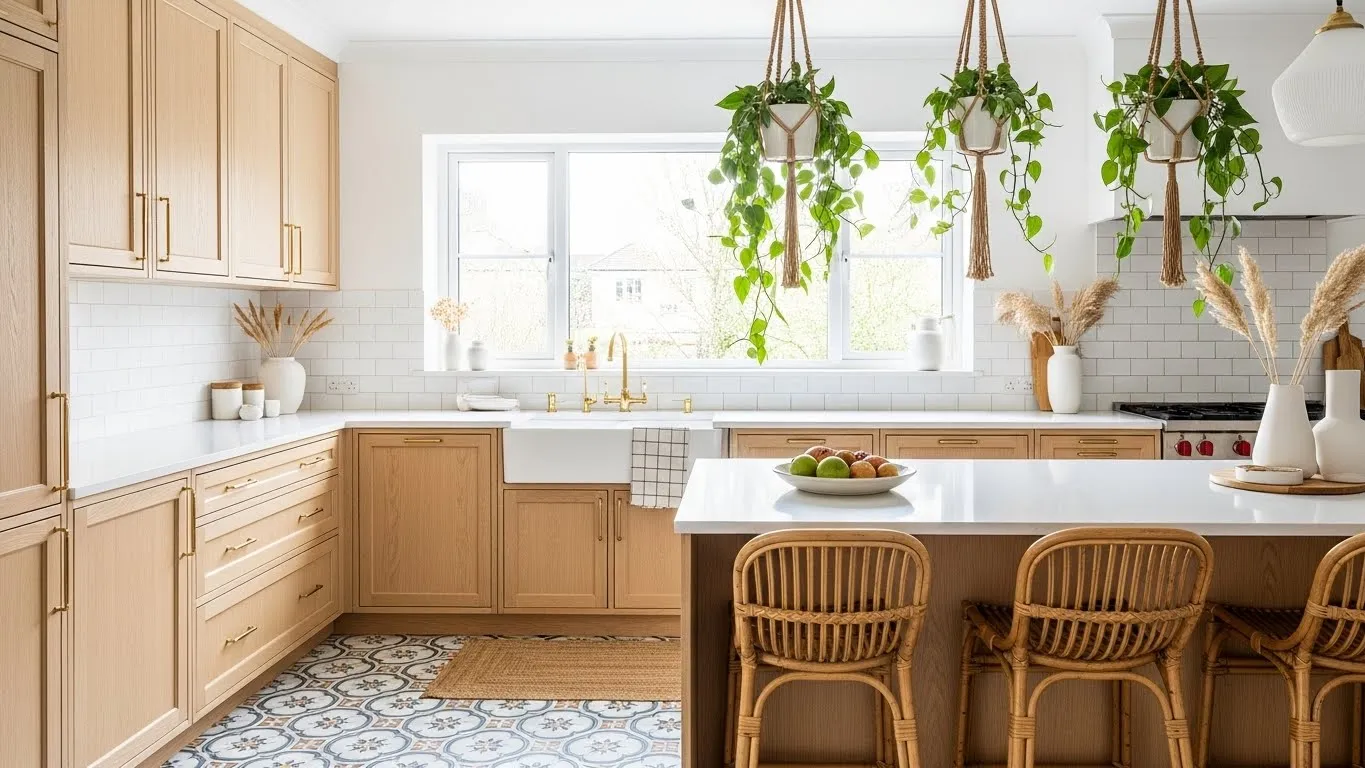
Creating a beautiful cooking area is about finding the right balance between style and function to suit your lifestyle. In this guide, we explore twenty-four unique kitchen aesthetic inspirations that will help you transform the heart of your home into a visually balanced sanctuary perfect for gathering and creating meals.
Minimalist White Serenity
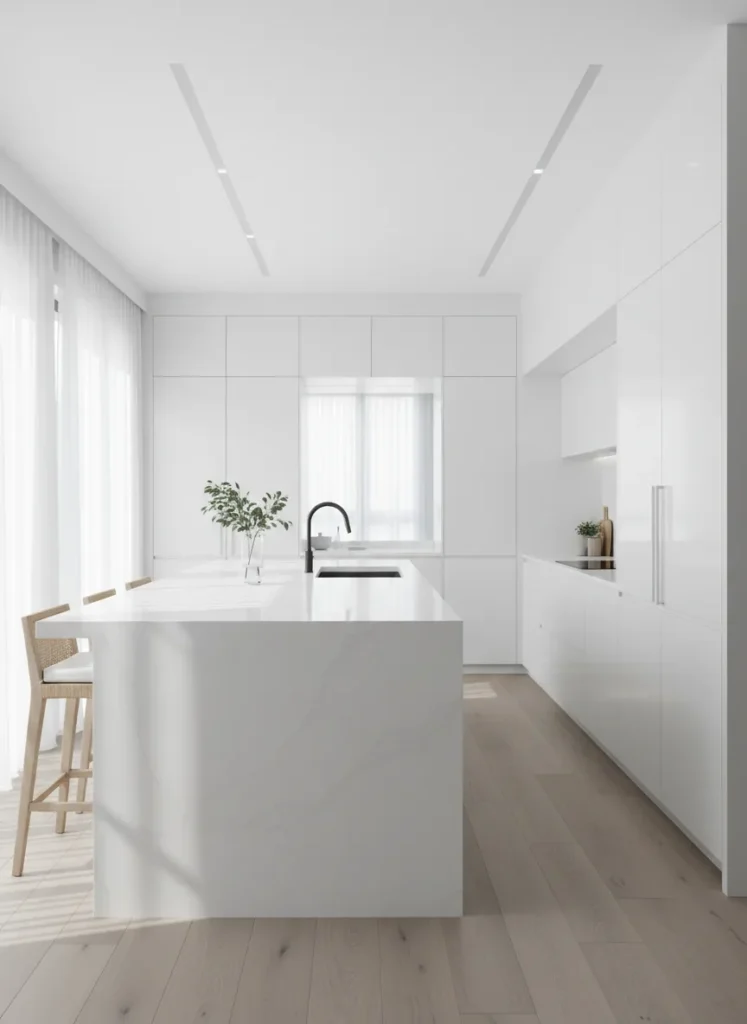
A minimalist white design focuses on clean lines and the absence of clutter to create a sense of calm. By using flat-panel cabinetry and hiding appliances behind matching panels, you achieve a seamless look that feels open and airy. This style relies heavily on texture rather than color to add interest, such as the subtle veining in a stone countertop or the grain of light wood floors.
This aesthetic works perfectly for smaller spaces because the abundance of white reflects light, making the room appear larger than it actually is. To keep the space from feeling too sterile, incorporate warm elements like a wooden fruit bowl or a vase of fresh greenery on the island. The result is a timeless environment that feels fresh and sophisticated.
Rustic Farmhouse Warmth
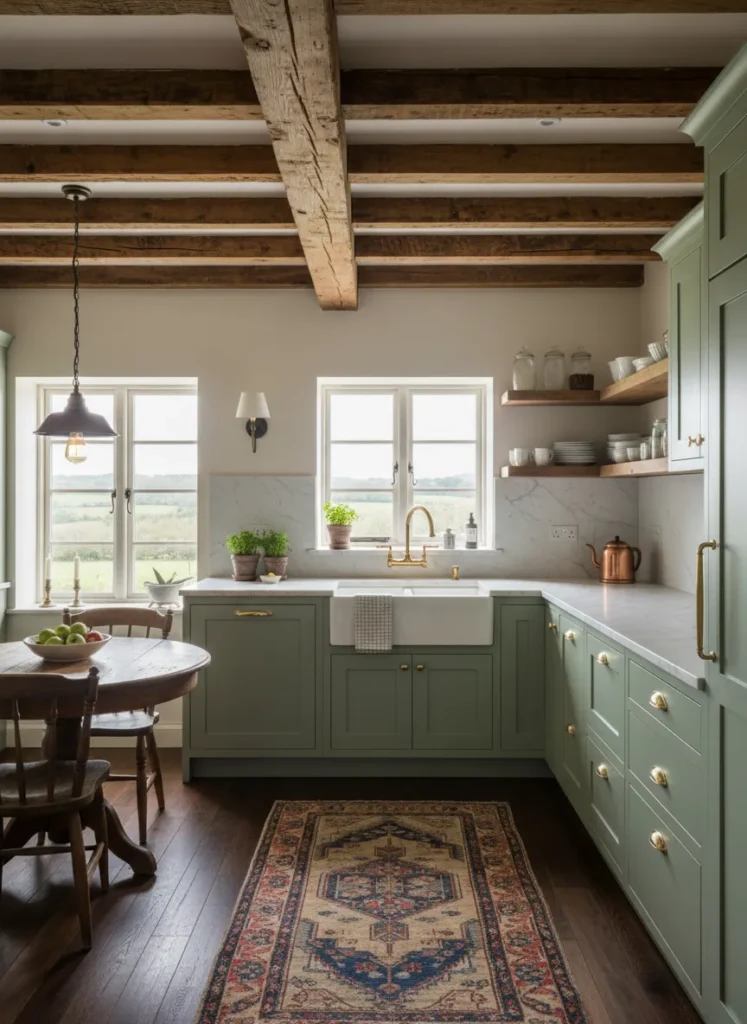
The rustic farmhouse look brings a sense of history and comfort to your home, emphasizing raw materials and sturdy craftsmanship. Key elements often include exposed wooden beams, a deep apron-front sink, and open shelving that displays everyday dishware. The color palette usually favors soft, earthy tones like cream, sage, or warm grey which invite family members to linger.
Functionality is at the core of this design, making it ideal for busy households that love to cook and entertain casually. Distressed wood finishes and antique-style hardware add character that hides wear and tear beautifully. This approach creates a welcoming atmosphere where imperfections are celebrated as part of the home’s story.
Industrial Chic Edges
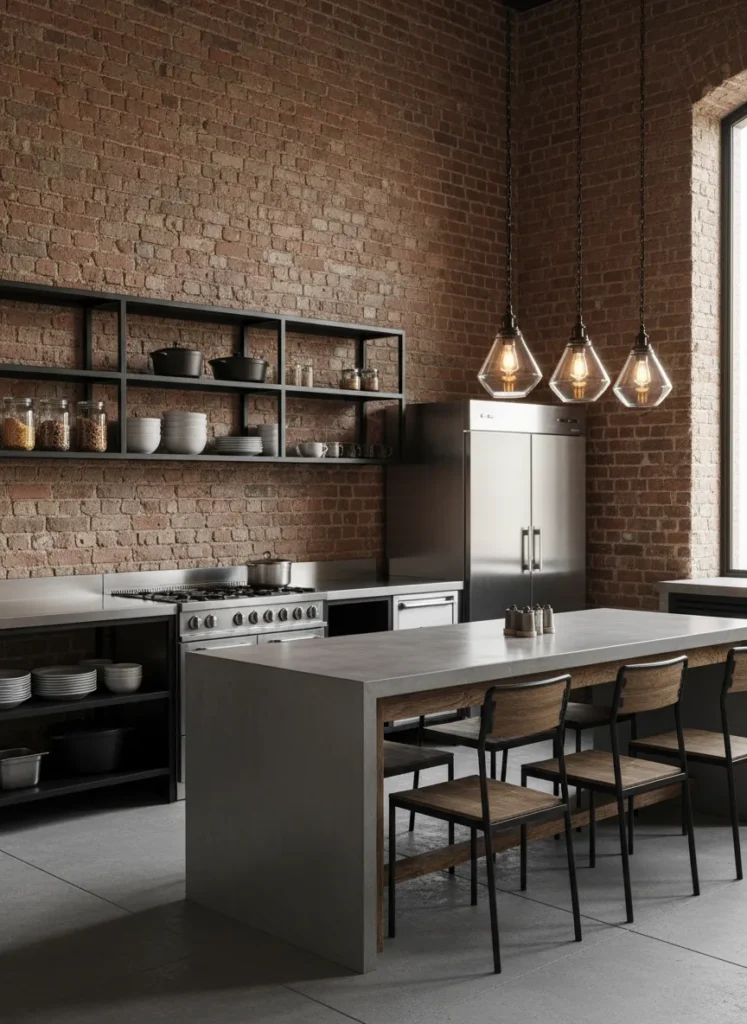
Industrial chic draws inspiration from converted lofts and factories, utilizing raw architectural elements to make a bold statement. Exposed brick walls, visible ventilation ducts, and concrete surfaces are staples of this aesthetic. The contrast between cool metals and warm, rough woods creates a dynamic visual tension that is undeniably modern.
This style is particularly effective if you appreciate a look that feels unpolished yet curated. Using open metal shelving allows you to keep essentials within reach while contributing to the utilitarian vibe. It is a robust design choice that pairs well with commercial-grade appliances and durable surfaces that can withstand heavy use.
Scandi-Boho Fusion
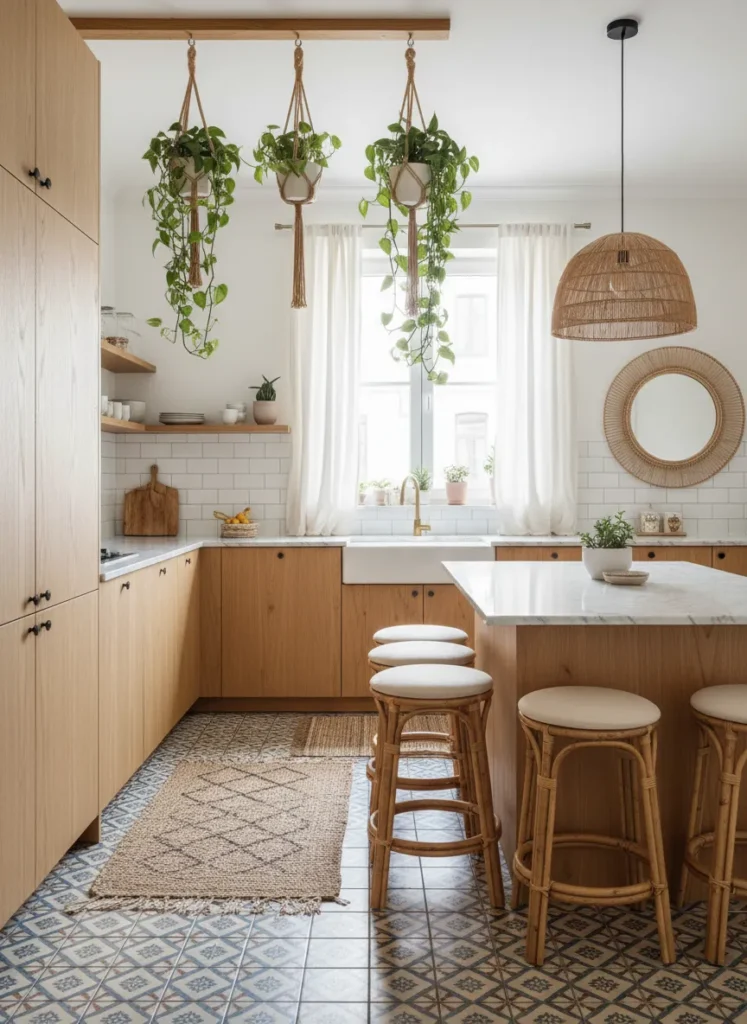
Blending Scandinavian simplicity with Bohemian eclecticism results in a space that is both organized and spirited. The foundation is usually neutral and functional, featuring light woods and white walls typical of Nordic design. Then, boho elements like patterned rugs, woven textures, and an abundance of indoor plants are layered in to add warmth and personality.
This combination prevents the minimalism of Scandinavian design from feeling cold and the chaos of Bohemian style from becoming overwhelming. It encourages the use of natural materials like rattan, jute, and bamboo alongside sleek cabinetry. The overall effect is a relaxed, inviting kitchen that feels organic and full of life.
Moody Charcoal Drama
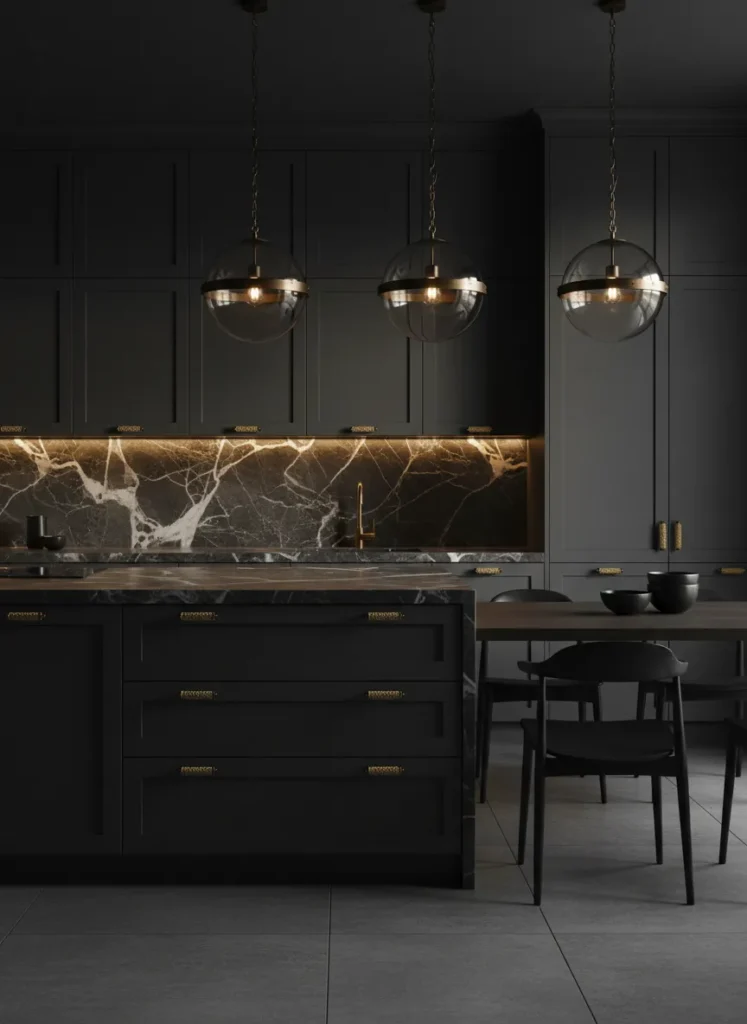
Stepping away from the traditional all-white kitchen, a moody charcoal palette offers sophistication and depth. Dark cabinetry anchors the room and provides a striking backdrop for metallic accents like brass or gold hardware. When paired with proper lighting, deep grey or black walls can make the space feel intimate and luxurious rather than gloomy.
To balance the heaviness of the dark tones, consider using lighter countertops or a backsplash with reflective qualities. This aesthetic is perfect for creating a high-end, bespoke feel that serves as a stunning focal point in an open-concept home. It hides shadows and stains well, making it a surprisingly practical choice for a working kitchen.
Pastel Retro Playfulness
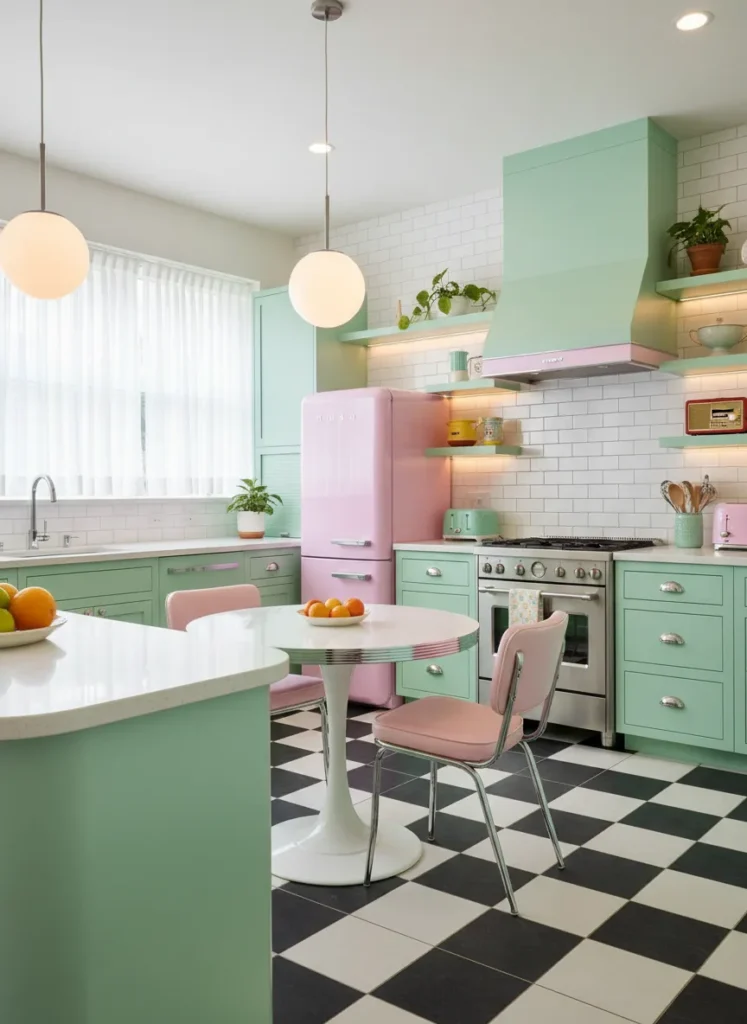
A pastel retro kitchen brings a sense of nostalgia and joy, drawing inspiration from the designs of the 1950s. Soft hues like mint green, baby blue, or pale pink on the cabinetry instantly brighten the mood of the room. Pairing these colors with checkerboard flooring or chrome appliances enhances the vintage appeal without feeling outdated.
This aesthetic is all about having fun with your decor and not taking the space too seriously. Curved lines on appliances and furniture soften the look, making the kitchen feel approachable and friendly. It is a fantastic way to inject personality and color into a home, turning cooking chores into a delightful experience.
Coastal Breeze Airy
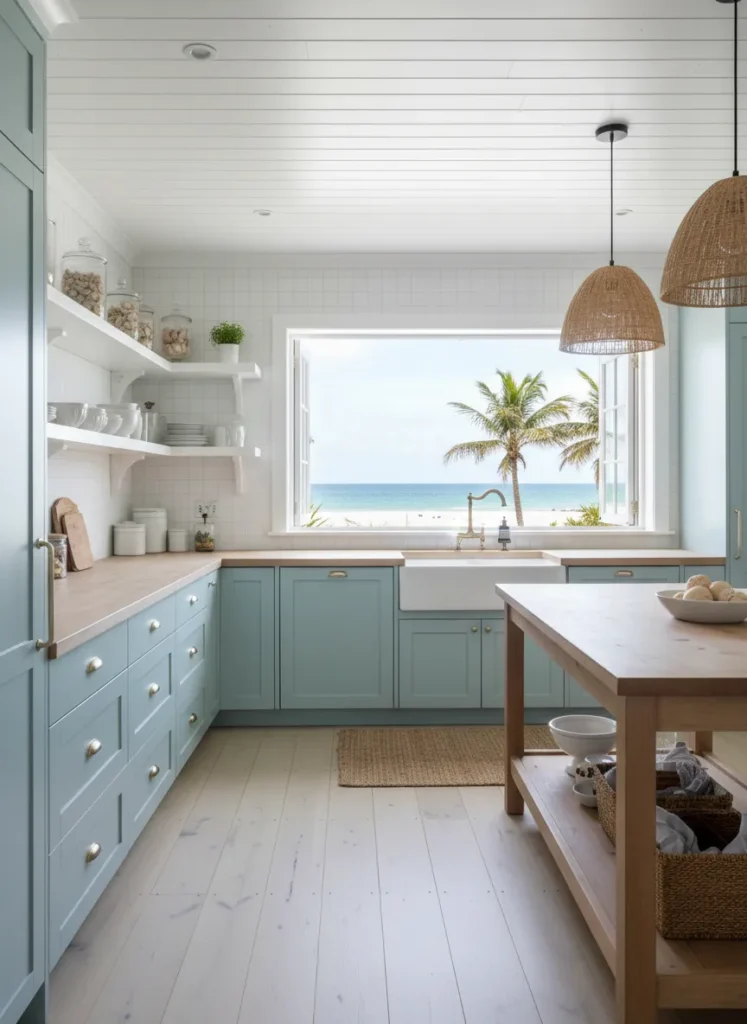
The coastal aesthetic aims to capture the relaxing essence of the seaside with a palette of whites, creams, and soft blues. Materials like beadboard paneling and weathered wood help establish a casual, beach-house vibe. The goal is to maximize natural light, often keeping window treatments minimal to let the sunshine pour in.
Woven textures are essential in this design, introduced through rattan bar stools or seagrass light fixtures. These natural elements ground the airy color scheme and add necessary warmth. A coastal kitchen feels perpetually like a vacation spot, offering a tranquil environment for morning coffee and family meals.
Modern Organic Flow
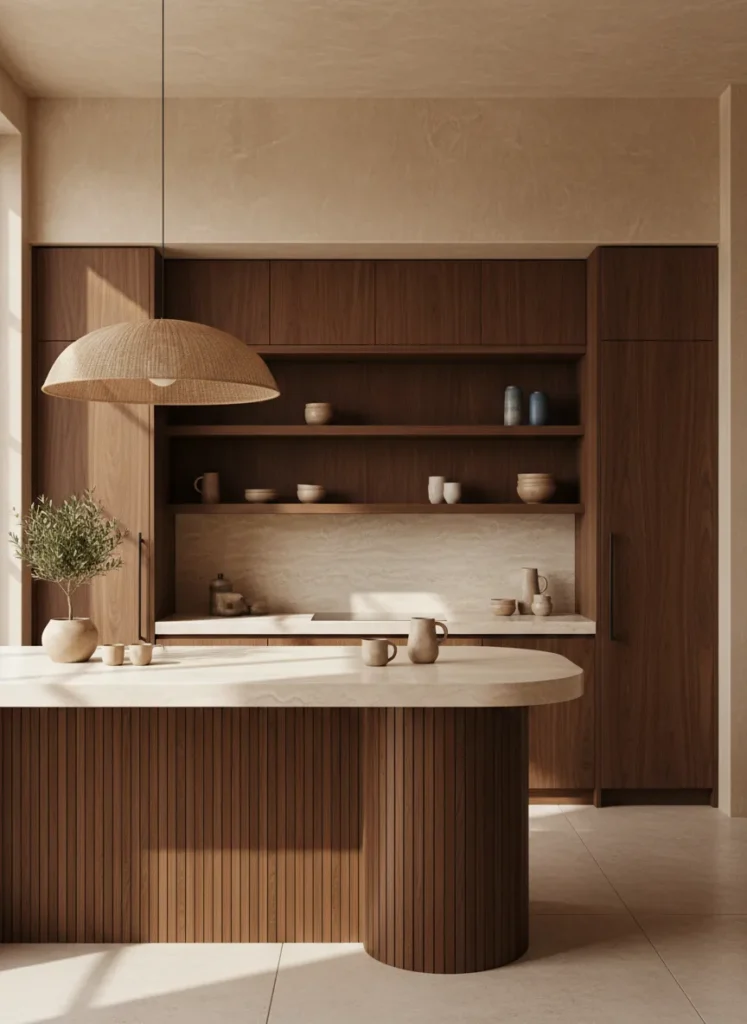
Modern organic design softens the starkness of contemporary architecture by introducing natural forms and earthy textures. This style creates a harmonious flow by using materials like raw stone, unpolished wood, and lime-wash paints. The color palette remains neutral but leans towards warmer beiges and browns rather than cool greys.
Curves are a significant trend within this aesthetic, often seen in rounded kitchen islands or arched doorways. These softer shapes mimic nature and promote a sense of ease and movement throughout the room. It is a refined approach that values material quality and tactile experiences over bold colors or patterns.
Classic Blue Elegance
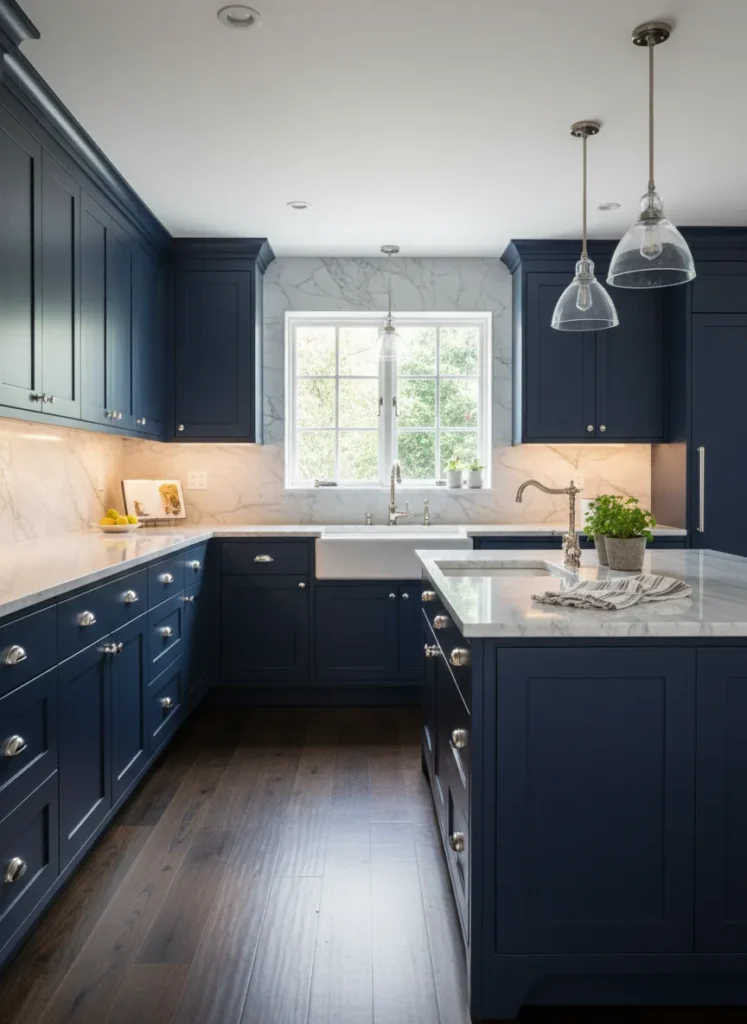
Navy blue is a classic color choice that brings a sense of heritage and stability to the kitchen. When applied to cabinetry, it acts as a neutral that pairs beautifully with crisp white countertops and backsplashes. This contrast creates a crisp, nautical-inspired look that is elegant without being pretentious.
To elevate the elegance, polished nickel or silver hardware adds a subtle sparkle against the deep blue paint. This style works well in both traditional and transitional homes, bridging the gap between old-world charm and modern living. It is a safe yet bold choice that tends to age very well over time.
Japandi Zen Fusion
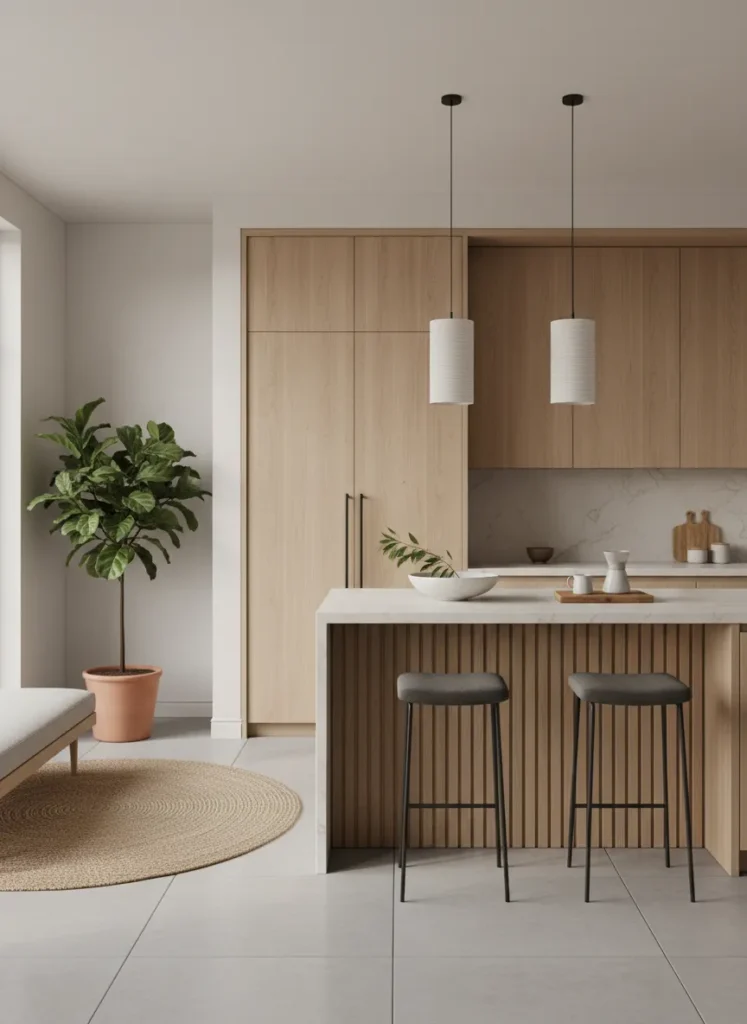
Japandi is the intersection of Japanese rustic minimalism and Scandinavian functionality, resulting in a space that feels Zen and purposeful. The design prioritizes clutter-free surfaces, clean lines, and a strong connection to nature through wood tones. Furniture often sits lower to the ground, and the color palette is strictly restrained to neutrals and earth tones.
Slatted wood details are a common feature, adding texture and visual rhythm without introducing chaotic patterns. This aesthetic encourages mindfulness by removing visual noise, allowing the beauty of the materials to stand out. It creates a tranquil cooking environment where every object has a specific place and purpose.
Emerald Green Glamour
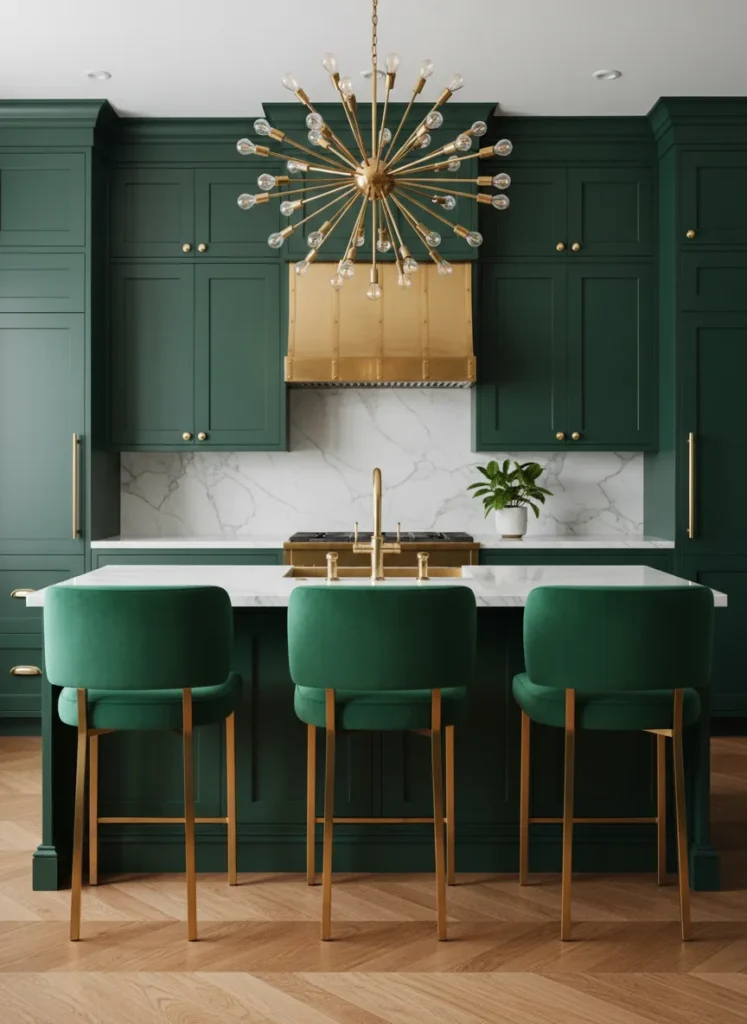
For those who love bold, jewel-toned richness, an emerald green kitchen offers undeniable glamour. This deep, verdant shade pairs exceptionally well with brass or gold accents, creating a look that feels regal and sophisticated. It transforms the kitchen from a utility room into a stunning entertaining space.
To prevent the room from feeling too dark, balance the green cabinetry with lighter flooring or a white ceiling. Using materials like velvet for seating adds a layer of opulence that contrasts nicely with hard surfaces like stone or tile. This aesthetic is for the homeowner who wants their kitchen to make a memorable statement.
Warm Terracotta Earth
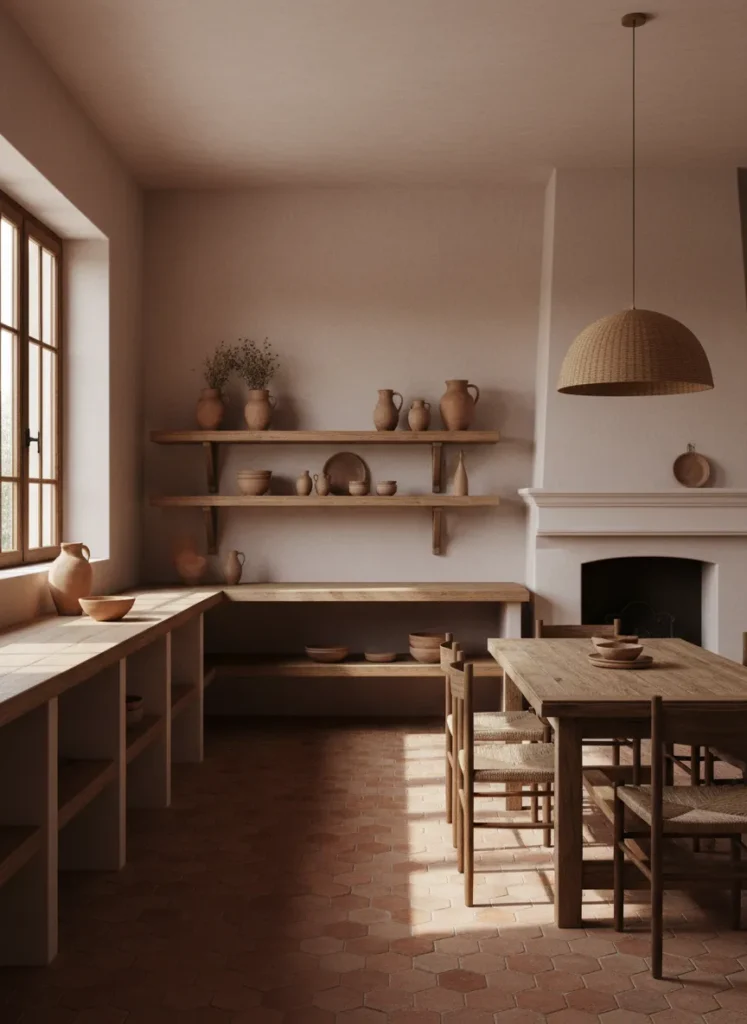
Terracotta and clay tones bring a grounded, earthy warmth to the kitchen that feels ancient yet modern. This aesthetic often features square or hexagonal terracotta floor tiles that age beautifully and hide dust. The walls might be treated with lime wash or plaster in sunset hues to envelop the room in a cozy glow.
This style celebrates the imperfect and the handmade, making it the perfect backdrop for displaying artisan pottery and wooden utensils. It evokes the feeling of a Mediterranean summer or a desert retreat. The warmth of the color palette stimulates the appetite and makes the kitchen the most inviting room in the house.
Concrete and Wood Contrast
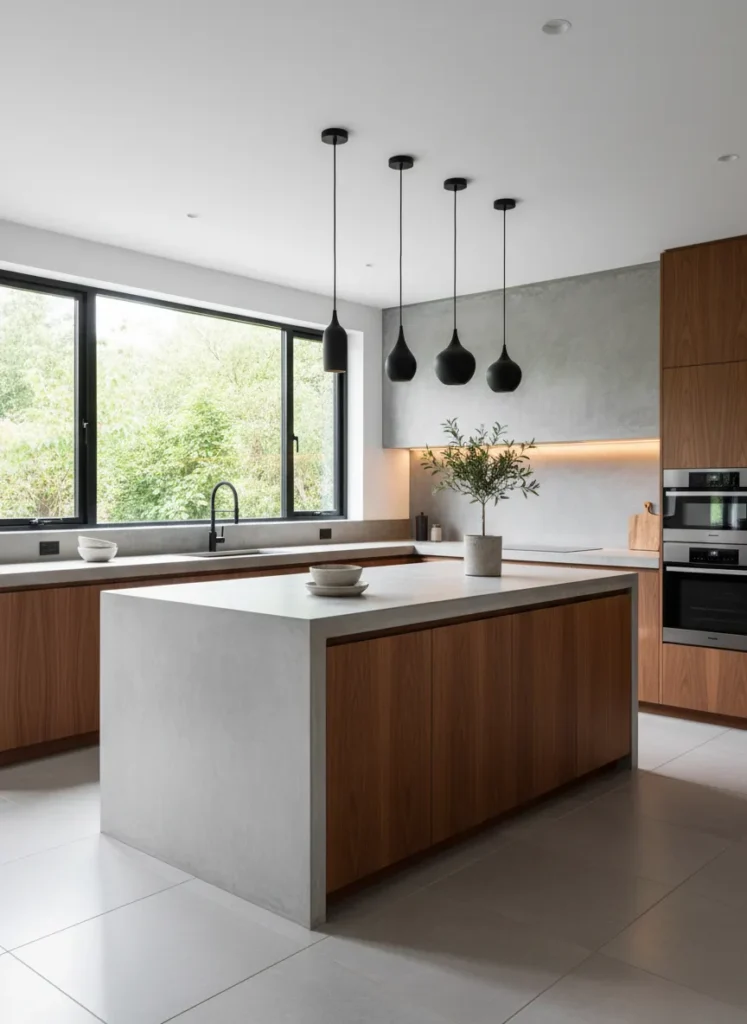
Mixing concrete with warm wood creates a striking balance between industrial coolness and natural warmth. The smooth, grey surface of concrete countertops provides a durable and edgy workspace that resists heat and scratches. When paired with rich wood cabinetry, the concrete feels less harsh and more sophisticated.
This aesthetic works best in modern homes with ample natural light, which highlights the texture of the materials. It is a minimalist approach that relies on the quality of the finishes rather than decorative accessories. The combination is timeless and offers a neutral canvas that allows food and life to take center stage.
Open Shelving Display
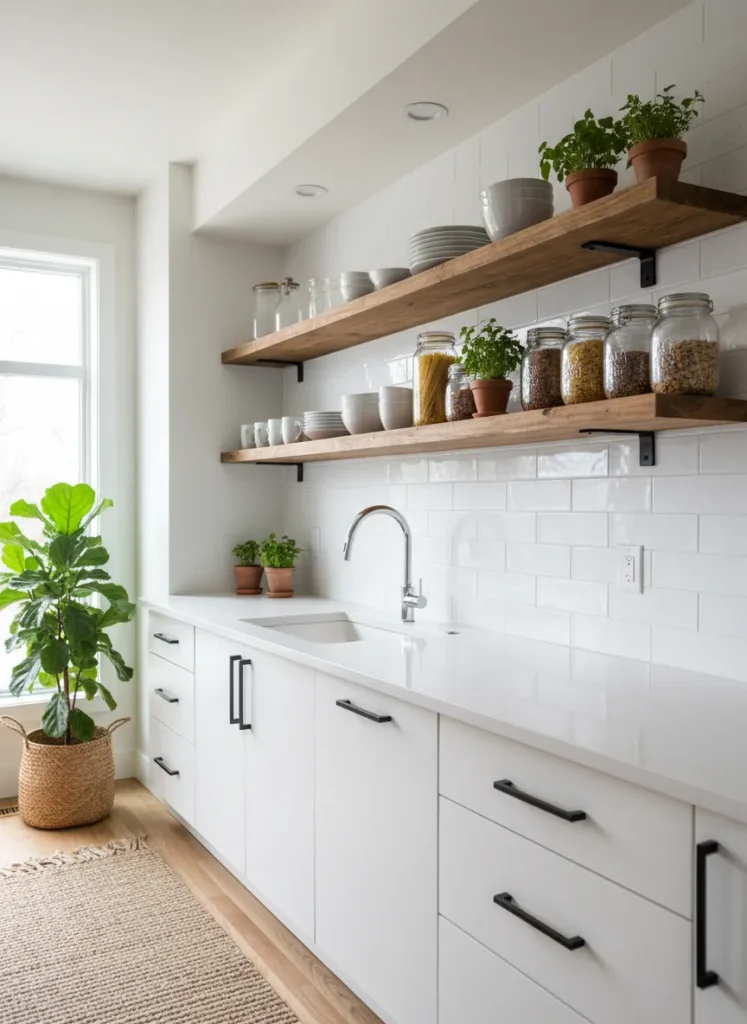
Replacing upper cabinets with open shelving creates an illusion of more space and allows you to showcase your personality. This design choice forces you to curate your kitchenware, keeping only what is beautiful and functional on display. It makes the kitchen feel lighter and more open, especially in narrower rooms.
To maintain a visually balanced look, group items by color or size and leave some negative space so the shelves don’t look cluttered. It also makes setting the table easier since dishes are readily accessible. This aesthetic promotes a lifestyle of transparency and organization, turning everyday objects into decor.
Marble Waterfall Luxury
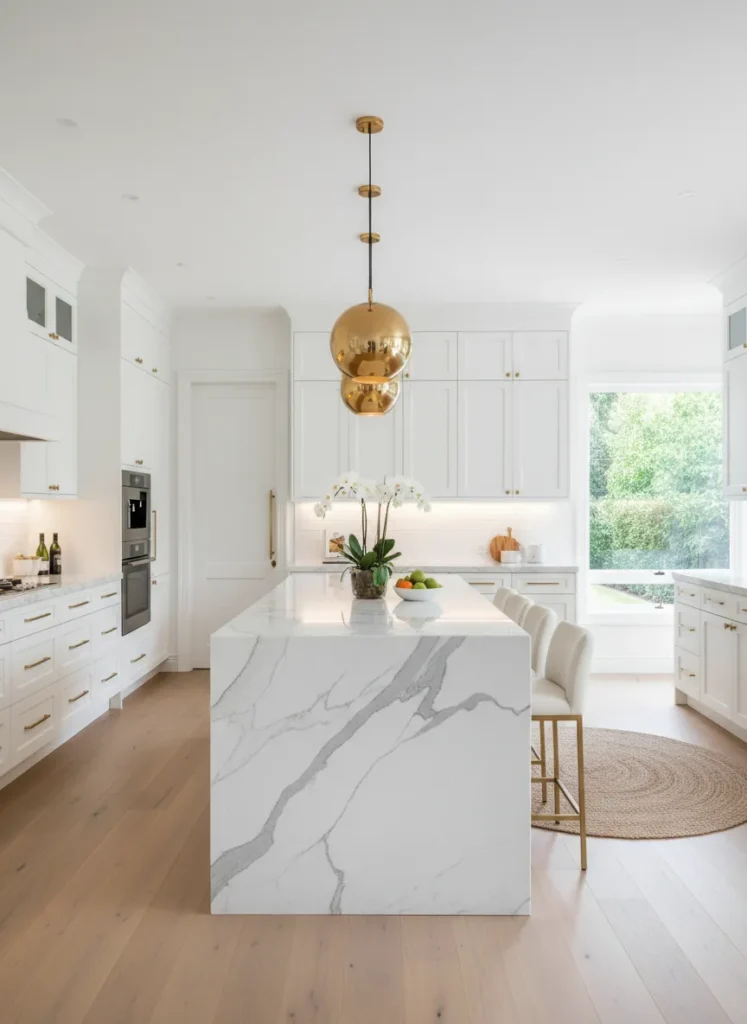
A waterfall island is a show-stopping feature where the countertop material flows over the edge and down to the floor. Using marble or a marble-look quartz for this creates a seamless, sculptural block of stone that acts as the room’s centerpiece. It exudes luxury and provides a clean, continuous line that is visually satisfying.
This design works well in contemporary and transitional kitchens, elevating the entire space with a touch of grandeur. Because the stone is the star, the surrounding cabinetry is often kept simple to avoid competing for attention. It is a significant investment that pays off by giving the kitchen a custom, designer polished look.
Cottagecore Charm
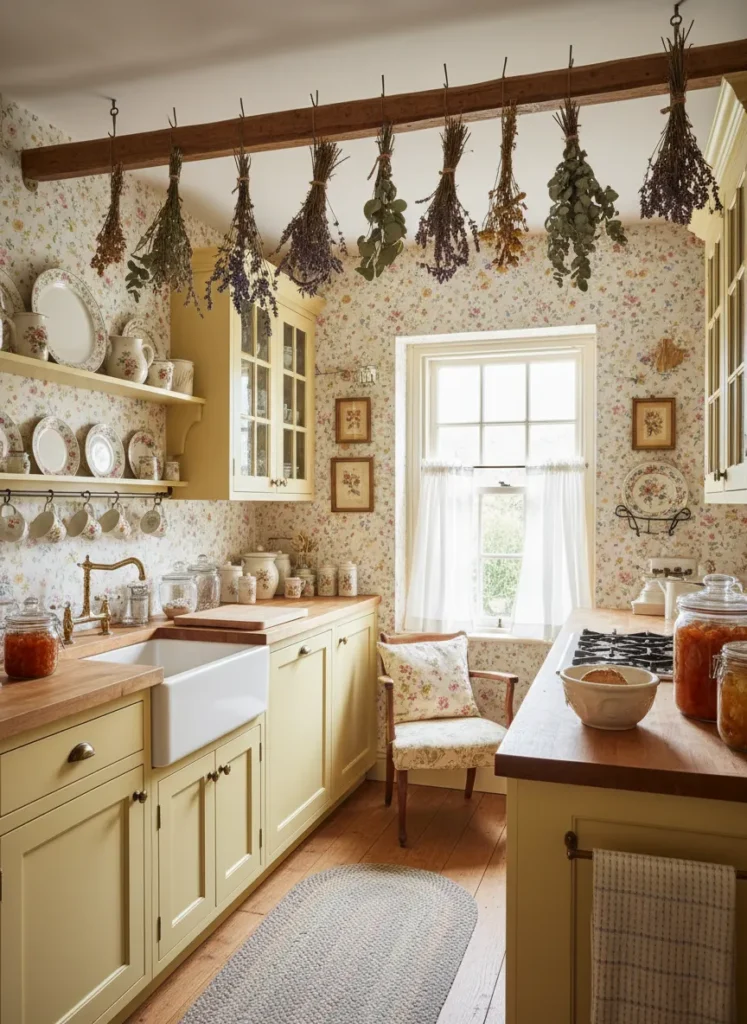
Cottagecore romanticizes simple, rural living and brings a whimsical, vintage charm to the kitchen. This aesthetic embraces floral patterns, whether through wallpaper or curtains, and soft, pastel colors like buttery yellow or sage. It feels lived-in and cozy, often filled with sentimental items and vintage finds.
The key to this look is layering textures and patterns without worry of perfect matching. Butcher block countertops and porcelain sinks add to the authentic cottage feel. It creates a space that feels like a hug, encouraging slow cooking, baking, and enjoying the simple pleasures of home life.
Mid-Century Modern Vibes
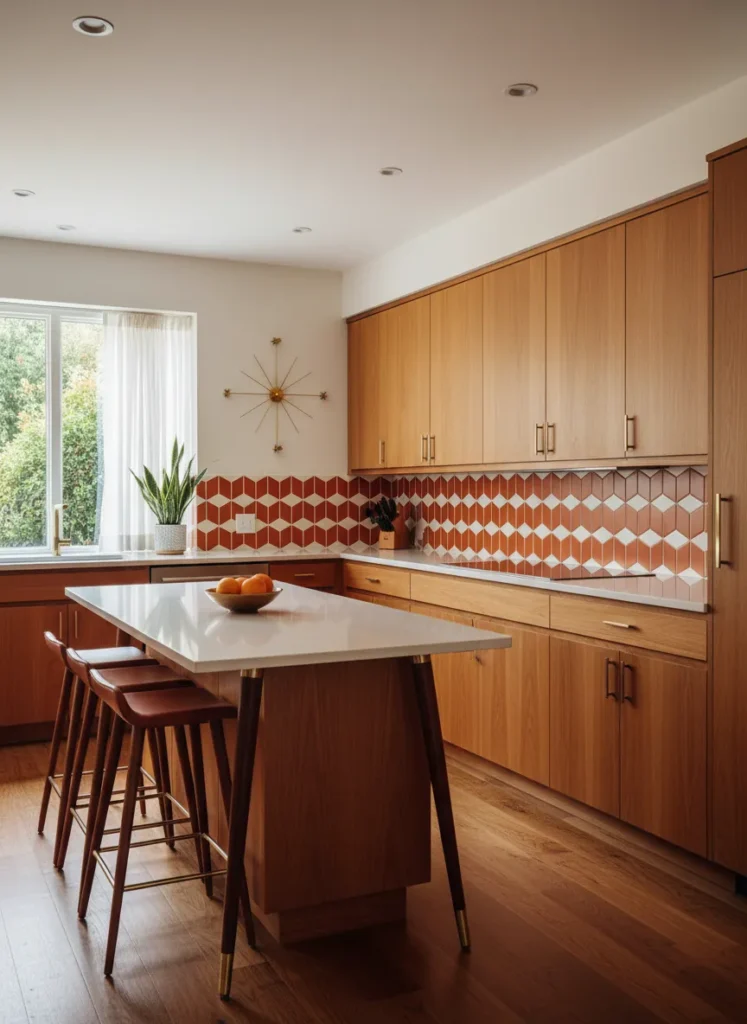
Mid-century modern design brings the cool, geometric style of the 1950s and 60s into the present. It is characterized by rich wood tones like teak or walnut, often used on flat-panel cabinetry. Pops of retro colors like mustard, orange, or teal are introduced through backsplashes or accessories to add vibrancy.
The furniture lines are clean and often feature tapered legs, keeping the floor area visible and the room feeling spacious. This aesthetic creates a nostalgic yet forward-thinking atmosphere that is perfect for design enthusiasts. It balances warm wood grains with playful patterns to create a dynamic and energetic kitchen.
Monochromatic Grey Layers
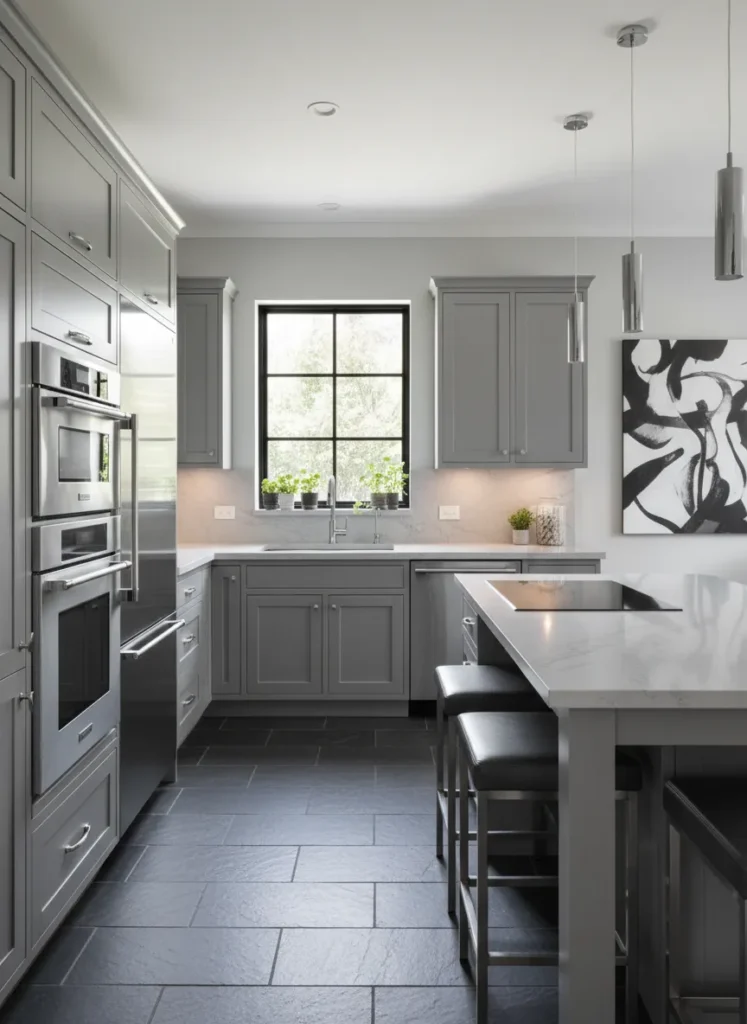
A monochromatic grey kitchen is anything but boring when you layer different shades and textures. By using a gradient of greys—from pale mist on the walls to deep slate on the island—you create visual interest and depth. This approach is incredibly calming and sophisticated, providing a neutral backdrop that fits any season.
Texture is crucial here; mix matte cabinets with glossy tiles or rough stone to keep the eye moving. This palette allows architectural details to stand out without the distraction of bright colors. It creates a cohesive, polished look that feels serene and meticulously designed.
Brass Accent Highlights
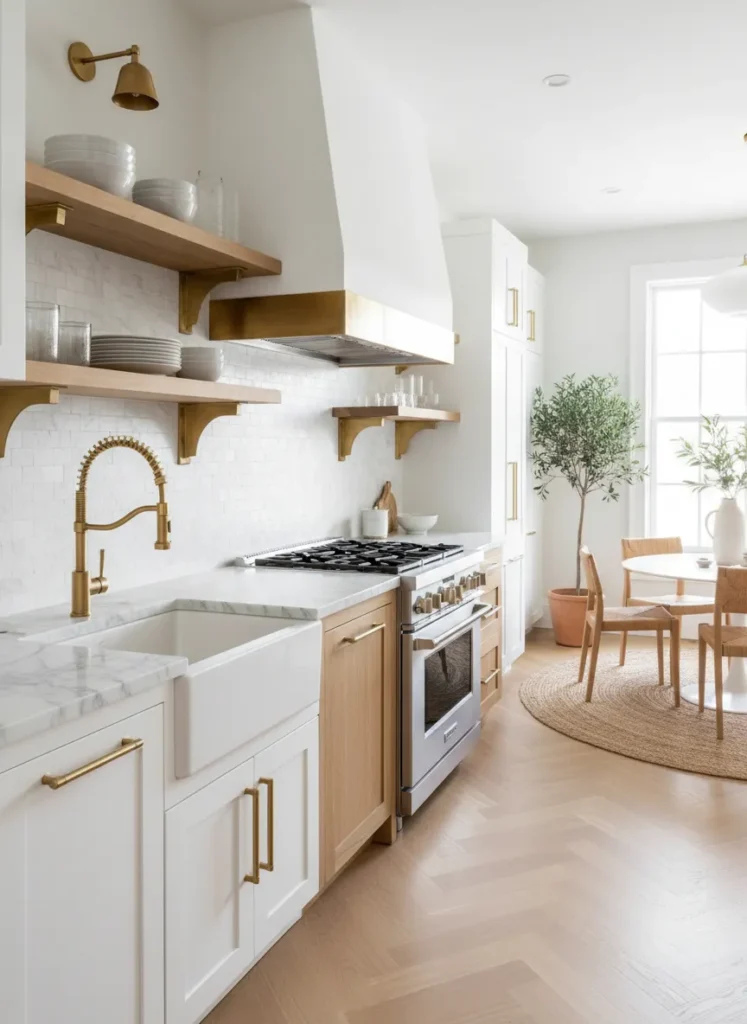
Brass accents act like jewelry for your kitchen, adding warmth and a touch of luxury to neutral spaces. Whether polished or brushed, brass hardware warms up cool white or grey cabinets and complements wood tones beautifully. It creates a focal point and directs the eye across the room.
You can incorporate this metal through faucets, cabinet pulls, lighting fixtures, and even kick plates. Over time, unlacquered brass develops a patina that adds character and a sense of history. This aesthetic proves that small details can have a massive impact on the overall feel of a room.
Vertical Tile Stacks
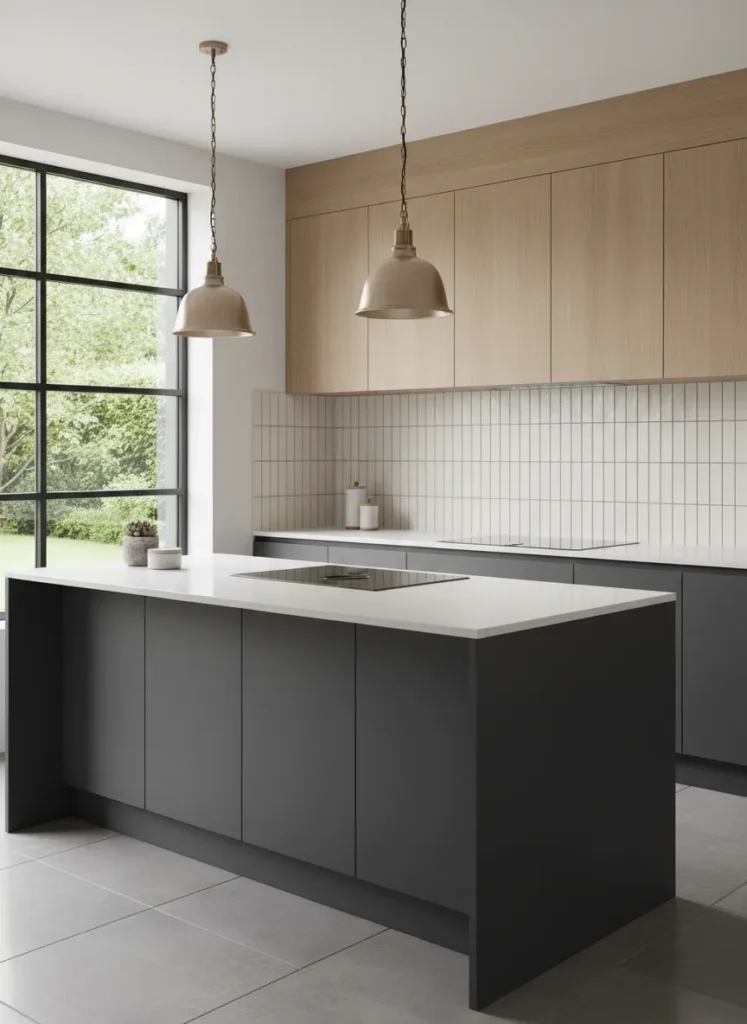
Changing the orientation of your backsplash tiles can completely alter the perception of your kitchen’s height. Vertically stacked tiles draw the eye upward, making ceilings appear higher and the room feel more spacious. This modern twist on the classic subway tile adds a contemporary, architectural edge to the space.
The grid-like pattern is orderly and clean, fitting perfectly with minimalist or mid-century modern designs. You can enhance the effect by using a contrasting grout color or keep it subtle with matching grout. It is a simple design move that makes a standard material look custom and fresh.
Biophilic Green Living
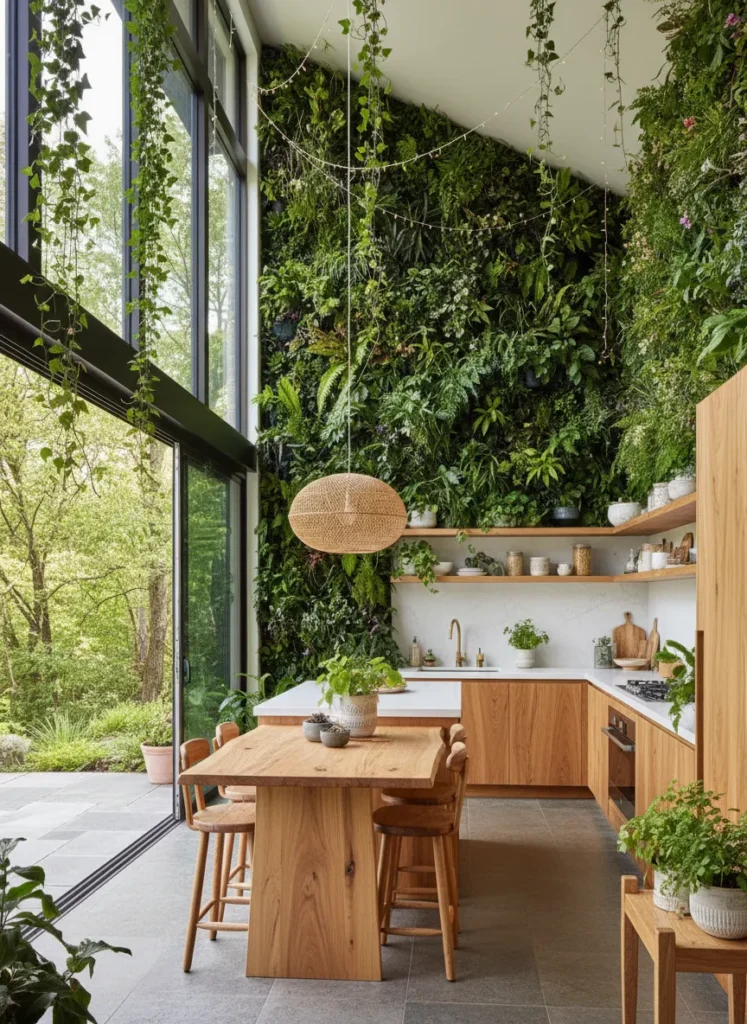
Biophilic design focuses on connecting the indoors with the natural world to improve well-being. In the kitchen, this means incorporating plenty of living plants, from small herb gardens on the windowsill to hanging ivy or even a vertical living wall. The presence of greenery softens hard surfaces and purifies the air.
Maximize natural light and use materials that mimic nature, such as bamboo, cork, or stone. This aesthetic creates a refreshing and restorative environment that reduces stress. It transforms the kitchen into a vibrant ecosystem where cooking feels like a natural extension of the garden.
Two-Tone Cabinetry
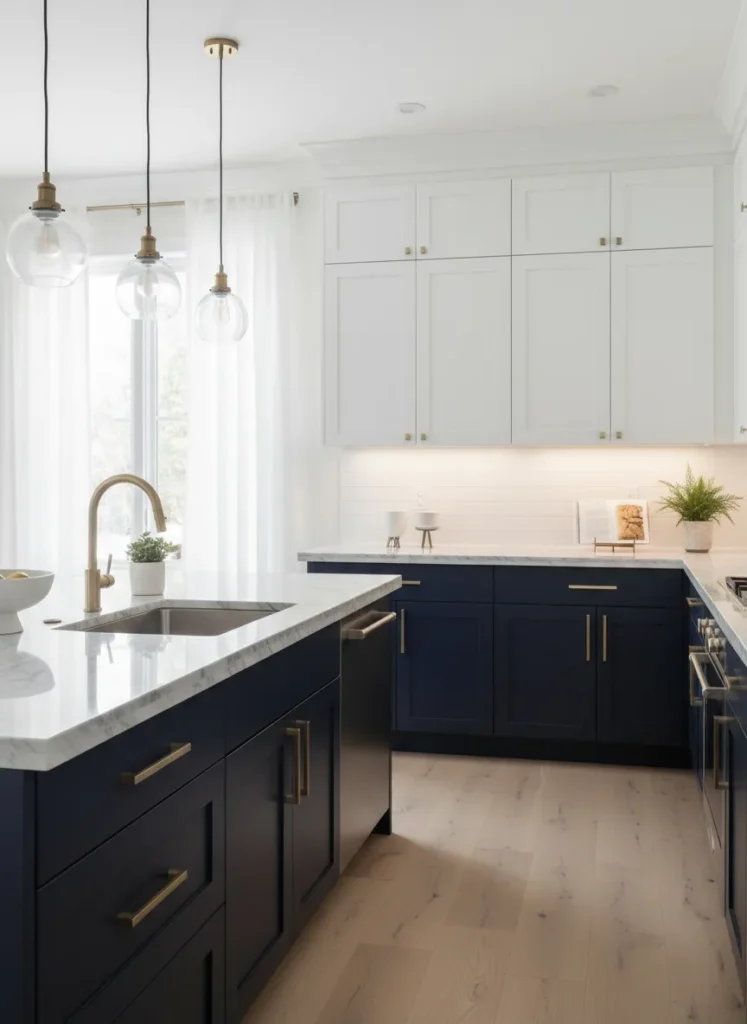
Two-tone cabinetry is a brilliant way to add color without overwhelming the space. Typically, this involves painting the lower cabinets a darker shade to ground the room, while keeping the upper cabinets light or white to maintain an airy feel. This technique breaks up the monotony of a solid wall of color.
It also allows you to experiment with bolder colors like blue, green, or even black on the bottom, which might feel too heavy if used everywhere. This visual trick makes ceilings look higher and the kitchen feel more expansive. It offers a balanced aesthetic that feels both grounded and uplifted.
Spanish Revival Pattern
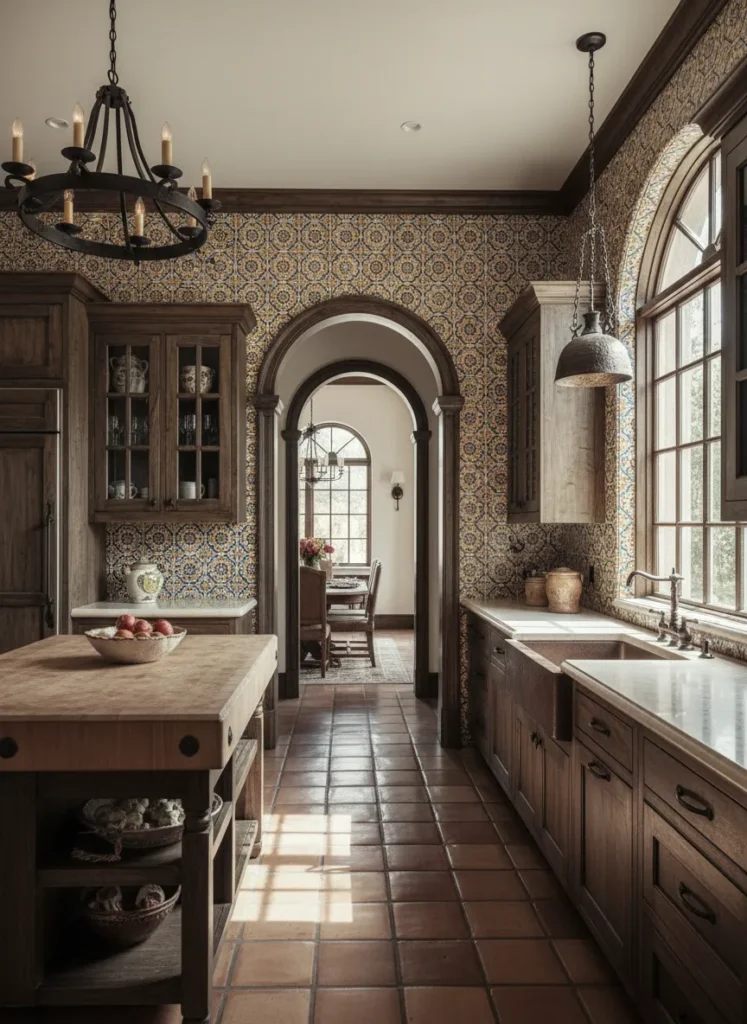
Spanish Revival kitchens are rich in character, defined by intricate patterns and warm, dark woods. The standout feature is often the use of encaustic cement tiles with bold geometric or floral patterns on the floor or backsplash. These tiles add a vibrant energy and artistic flair that serves as the room’s focal point.
Arched doorways and wrought-iron details complement the heavy wooden cabinetry typically found in this style. The aesthetic is soulful and historic, creating a space that feels gathered and curated. It is perfect for those who want their kitchen to feel like a warm, inviting hacienda.
Glass Partition Pantry
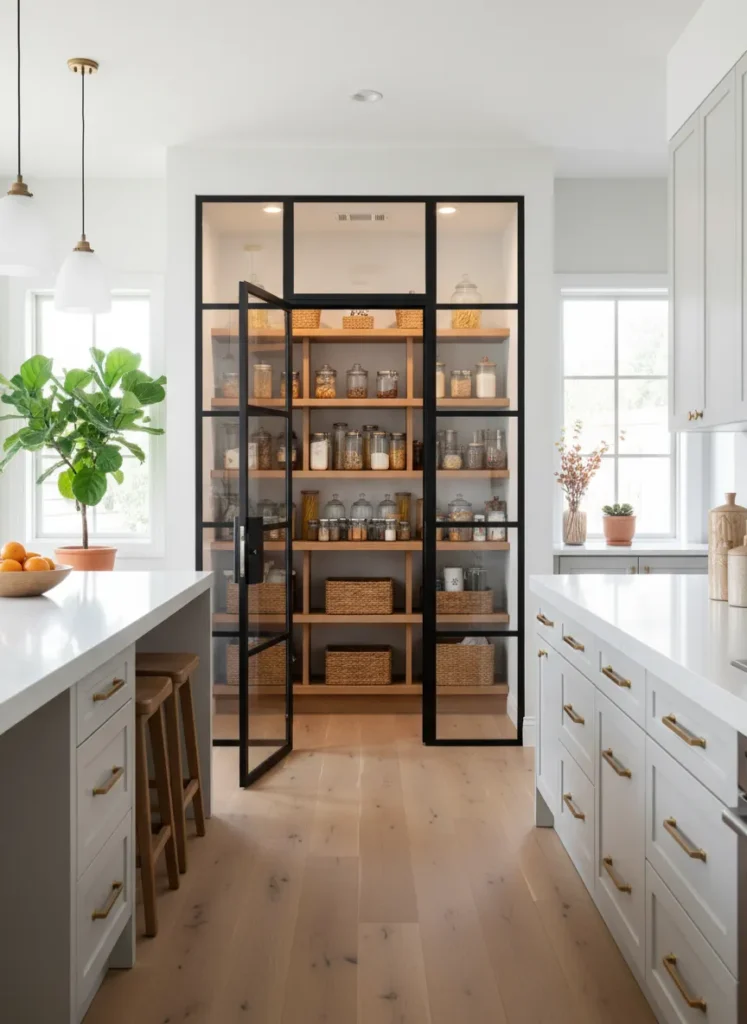
Using glass partitions or doors to separate a pantry or dining area adds an architectural element that defines zones without blocking light. Black steel-framed glass doors, often called Crittall style, add a graphic, industrial touch that frames the view into the next space. It keeps the kitchen feeling open while providing sound and smell insulation.
This transparency means the interior of the pantry becomes part of the kitchen’s visual aesthetic, encouraging organization. It adds a layer of depth and complexity to the room’s layout. This design choice is modern, chic, and highly functional for maintaining a sense of flow in the home.
Conclusion
Achieving a visually balanced kitchen is about selecting elements that resonate with your personal taste while maintaining harmony in the room. Whether you prefer the clean lines of minimalism or the cozy clutter of cottagecore, these twenty-four kitchen aesthetic inspirations offer a starting point for your renovation journey. Take these ideas, adapt them to your space, and create a kitchen that is not only beautiful to look at but a joy to live in.