
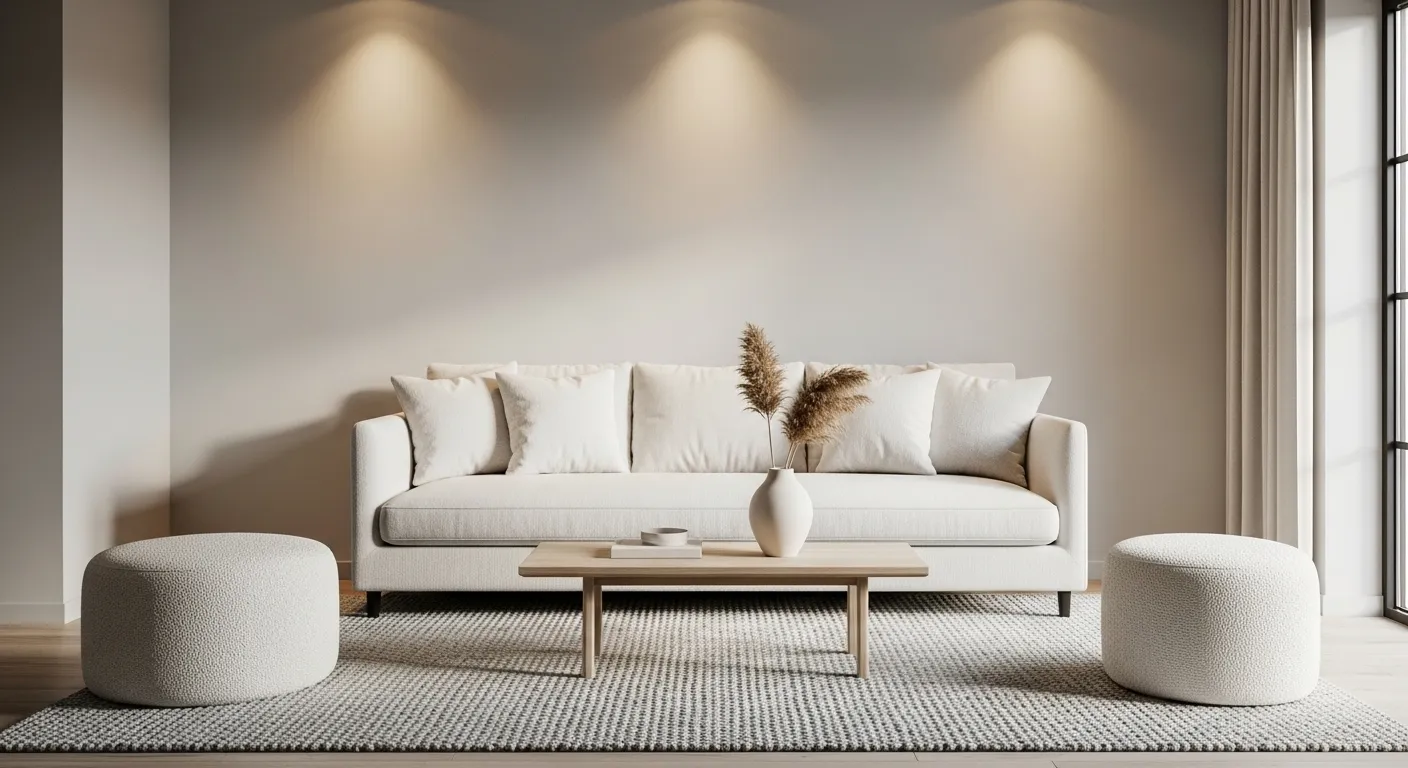
Creating a sanctuary at home is easier than you think when you look to the East for inspiration. Japanese design focuses on simplicity, natural materials, and a profound sense of peace that transforms a chaotic house into a restful home. In this guide, we explore fifteen japanese living room ideas that blend traditional aesthetics with modern functionality to help you achieve a perfect state of calm natural balance in your daily life.
Embrace Low Profile Furniture
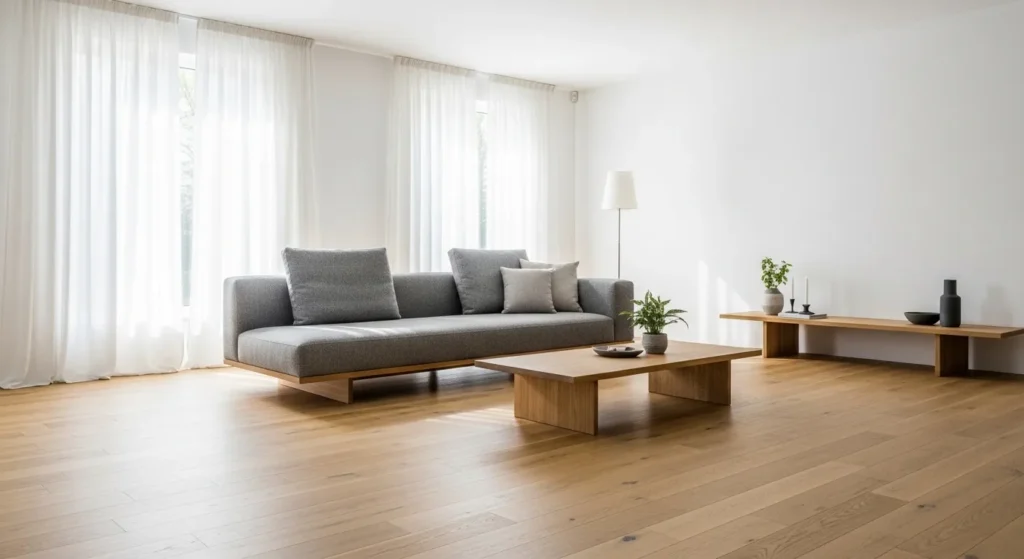
Using furniture that sits closer to the ground is a hallmark of Japanese interior design. By lowering your line of sight, you make the room feel taller and more spacious without actually changing the dimensions of the space. This shift in perspective encourages a more grounded feeling which promotes relaxation and conversation among family members.
Incorporating low sofas or floor cushions aligns perfectly with japanese living room ideas that prioritize comfort and modesty. This arrangement opens up the vertical space in the room, allowing light to travel more freely and making your home feel less cluttered. It is a simple adjustment that instantly changes the energy of the room to one of stability and rest.
Install Shoji Screen Dividers
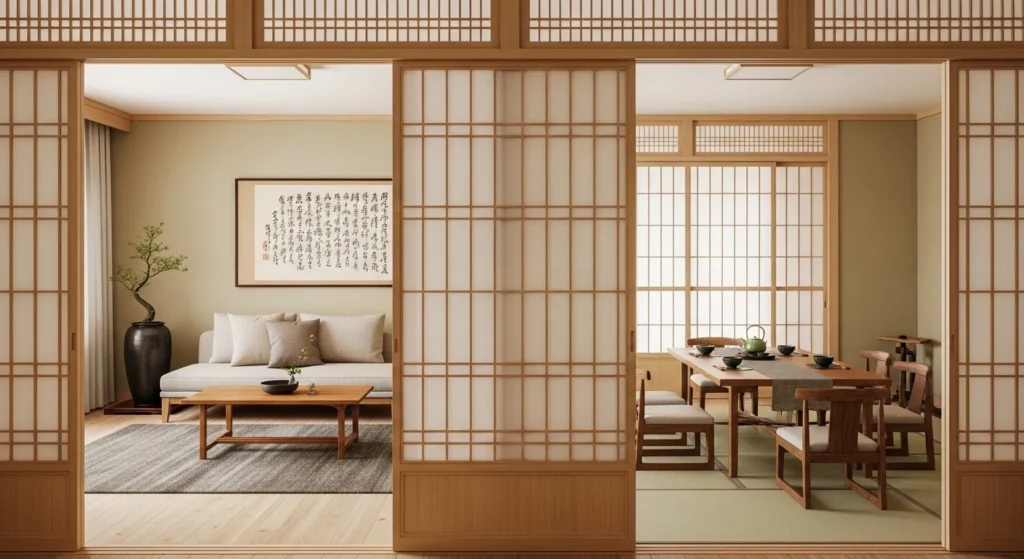
Shoji screens are traditional sliding doors or room dividers made from translucent paper over a wooden frame. They are essential for diffusing harsh sunlight into a soft, warm glow that fills the entire room. This type of lighting eliminates sharp shadows and creates a calm ambiance that is difficult to achieve with standard curtains or blinds.
Beyond lighting, Shoji screens offer a flexible way to divide space without building solid walls. They allow you to close off areas for privacy while still letting light pass through, maintaining a sense of connection and openness. Using these screens is one of the most effective japanese living room ideas for adding architectural interest and authentic cultural character to your home.
Incorporate Tatami Mat Flooring
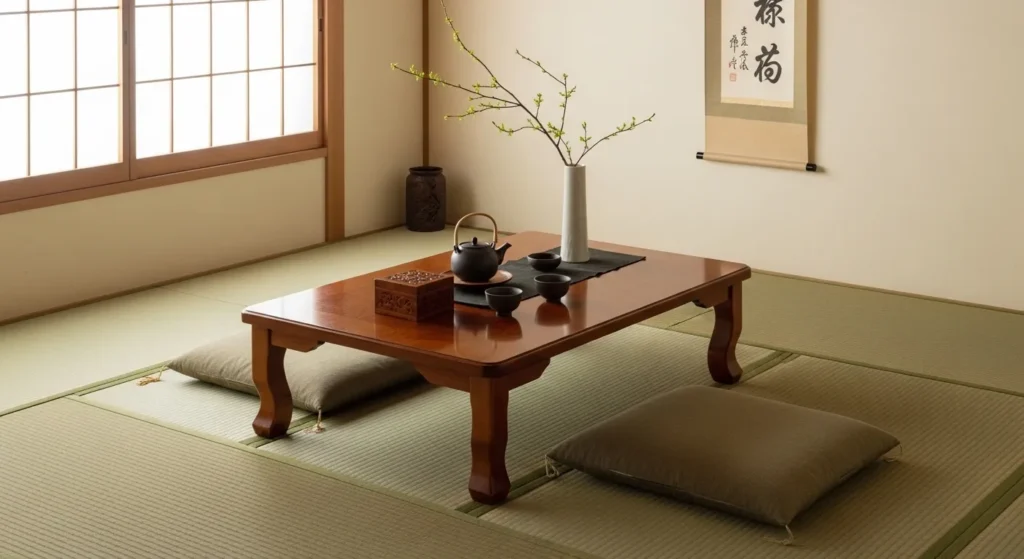
Tatami mats are woven straw mats that have been used in Japanese homes for centuries. They provide a soft texture underfoot and offer a subtle, natural scent of dried straw that many find soothing. Adding a section of tatami flooring to your living area defines a specific zone for meditation, tea, or quiet reading.
While covering an entire floor might be difficult in a modern Western home, using large area rugs that mimic the texture of tatami works well. This introduces organic materials into the space, which is a key component of japanese living room ideas. The texture contrasts beautifully with smooth wood surfaces and adds warmth to a minimalist design scheme.
Highlight Natural Wood Elements
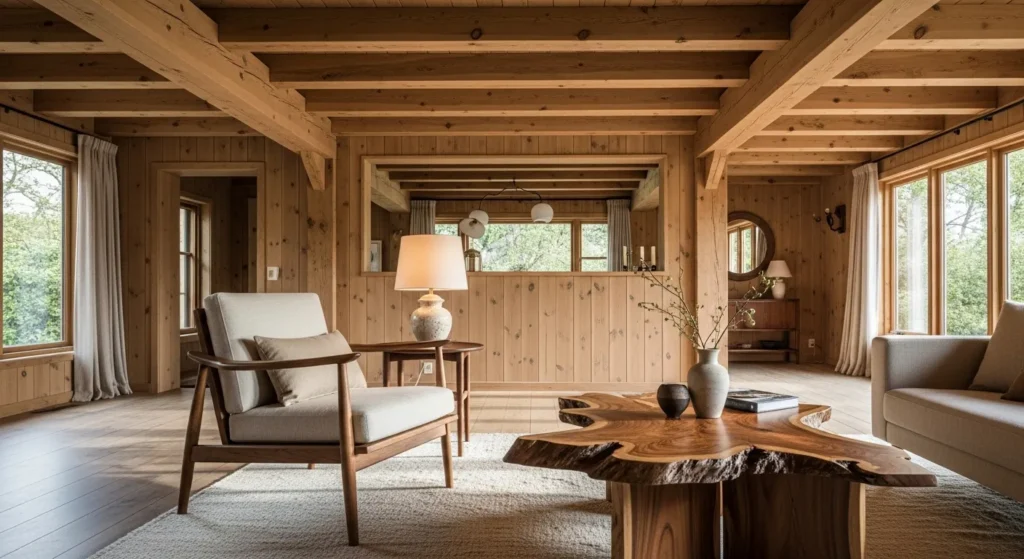
Wood is the most important material in Japanese decor, usually left in its natural state rather than painted over. Using light woods like pine, oak, or bamboo helps bring the outdoors inside and creates a connection to nature. This approach celebrates the grain and imperfections of the timber, adding character and warmth to the living space.
You can introduce this element through flooring, wall panels, or furniture pieces with clean lines. When you focus on natural wood finishes, you reduce the need for excessive decoration because the material itself becomes the art. This simplicity is central to japanese living room ideas, proving that high-quality natural materials are enough to make a statement.
Adopt a Neutral Color Palette
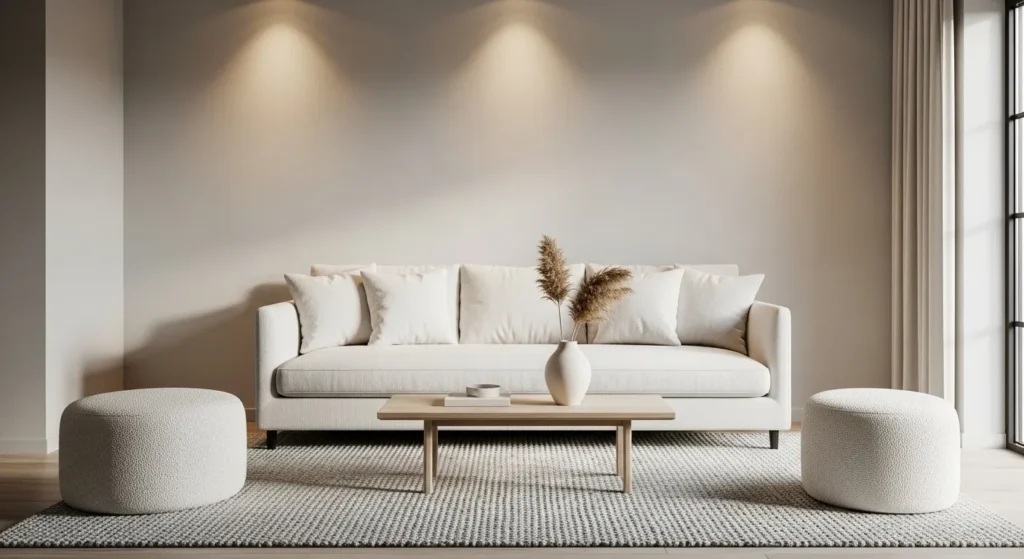
A restrained color palette is vital for achieving a Zen atmosphere. Japanese interiors typically rely on earthy tones such as browns, greens, grays, and creams to create a backdrop that does not distract the eye. These colors reflect nature and allow the mind to rest, making the living room a true place of decompression after a busy day.
By avoiding bright, jarring colors, you allow the textures and shapes in the room to stand out. This monochromatic or neutral approach makes the space feel cohesive and larger. Implementing a neutral scheme is one of the foundational japanese living room ideas that ensures your decor remains timeless and peaceful regardless of changing trends.
Utilize Soft Paper Lighting
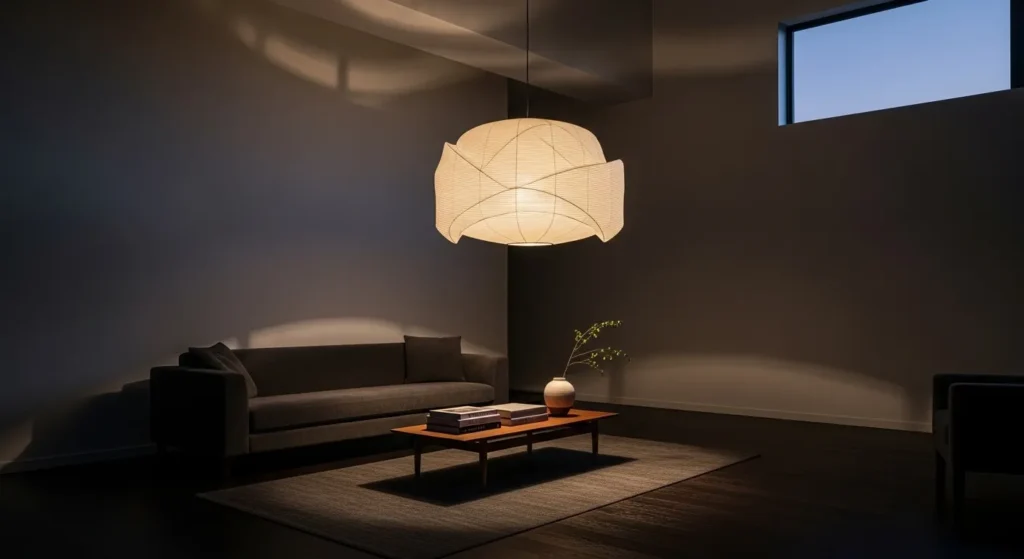
Lighting in a Japanese-inspired room should never be harsh or direct. Paper lanterns, often called Akari, scatter light gently to mimic the softness of natural daylight or moonlight. Placing a large paper pendant light or several floor lamps in the corners of the room creates a cozy and inviting environment.
This type of lighting transforms the mood of the room instantly. It removes the clinical feel of bright LEDs and replaces it with a warm ambiance that encourages relaxation. Choosing paper fixtures is one of the most accessible japanese living room ideas for updating your space without needing to renovate or change expensive furniture.
Display Bonsai and Greenery
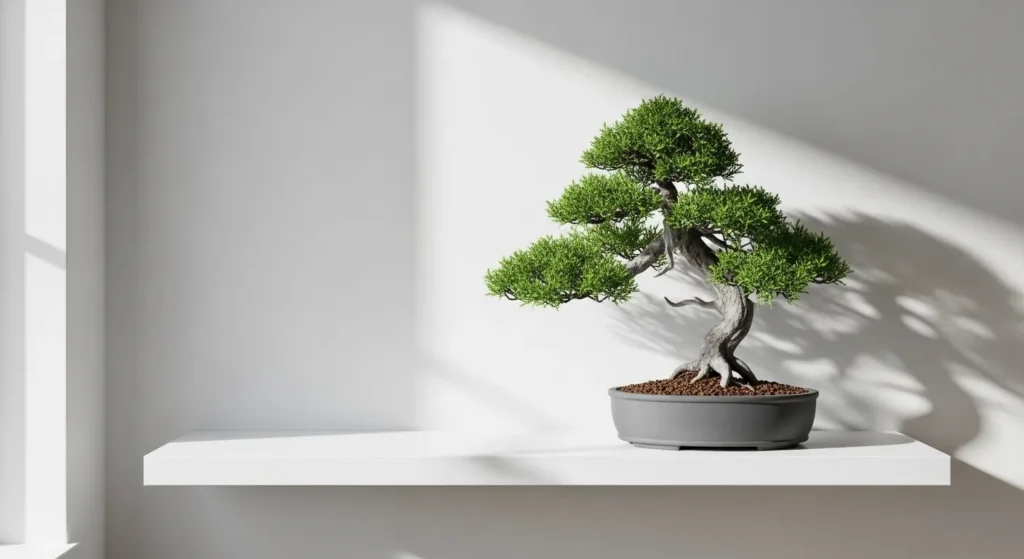
Bringing nature indoors is a non-negotiable aspect of this design philosophy. A bonsai tree is more than just a plant; it is a living sculpture that represents patience and balance. Placing a bonsai or a simple arrangement of green branches in the living room creates a focal point that draws the eye and calms the spirit.
You do not need a jungle of plants to achieve this look. In fact, a single, healthy plant is preferred over many cluttered pots. This restraint highlights the beauty of the individual plant and maintains the minimalist clutter-free look that defines the best japanese living room ideas.
Create Indoor-Outdoor Flow
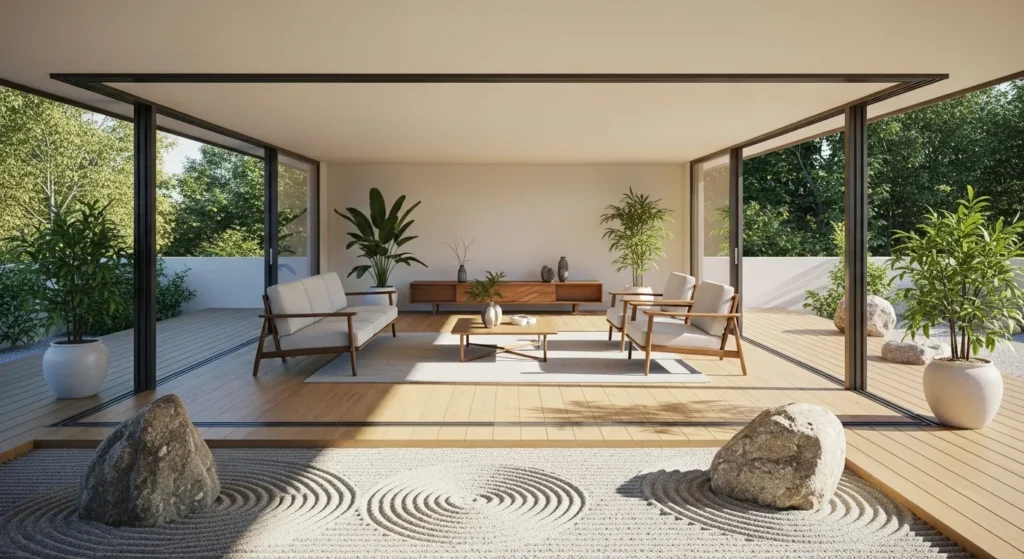
The concept of connecting the interior with the exterior is known as creating a flow between the home and nature. If you have large windows or sliding doors, keep them unobstructed to let the view become part of your decor. This blurs the line between inside and outside, making the living room feel expansive and fresh.
Even without a garden view, you can mimic this effect by arranging furniture to face windows and using natural materials that echo the outdoors. This connection to the seasons and natural light is crucial for mental well-being. It is one of the most impactful japanese living room ideas for making a home feel alive and breathable.
Practice Wabi-Sabi Aesthetics
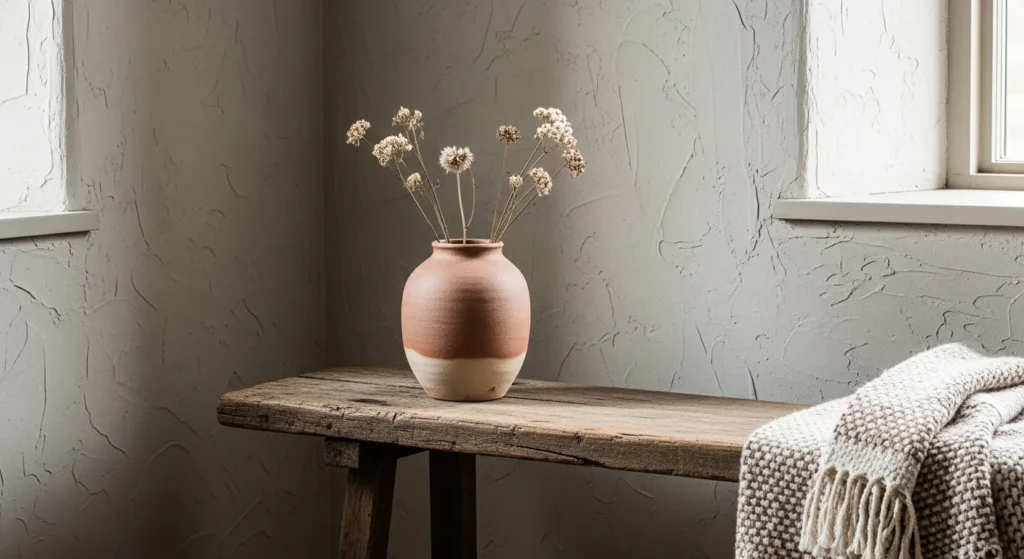
Wabi-sabi is the Japanese art of finding beauty in imperfection and the natural cycle of growth and decay. Instead of seeking sleek, mass-produced perfection, this style values items that are handmade, weathered, or asymmetrical. An unpolished stone bowl or a rough-hewn wooden table adds soul and history to the room.
Incorporating wabi-sabi means accepting that your home does not need to be showroom perfect to be beautiful. It encourages you to curate items that have meaning and texture. This philosophy adds depth to japanese living room ideas, moving the design away from cold minimalism toward a warm, lived-in authenticity.
Maximize Hidden Storage
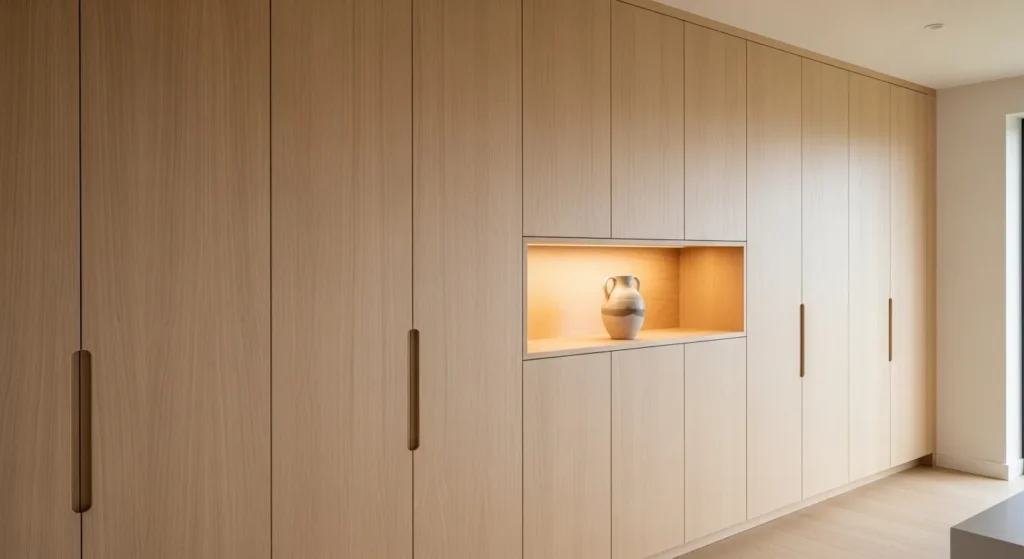
Clutter is the enemy of a peaceful mind and a Zen home. Japanese design emphasizes “Ma,” or negative space, which allows the room to breathe. To achieve this, storage solutions are often built into the architecture or hidden behind sleek doors to keep daily items out of sight.
By clearing surfaces and storing items in designated cabinets, you reduce visual noise. This allows the few decorative items you do display to truly shine. Prioritizing hidden storage is one of the most practical japanese living room ideas for maintaining a clean, organized, and stress-free environment.
Use Bamboo Accents
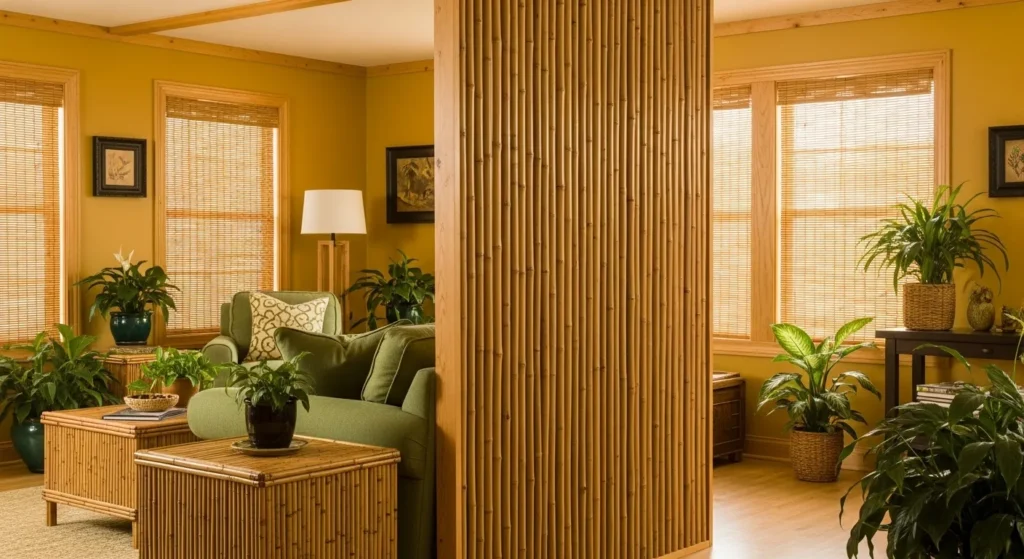
Bamboo is a sustainable, fast-growing material that adds texture and a light, airy feeling to a room. It can be used for blinds, flooring, furniture, or decorative screens. Its linear pattern adds a sense of order and rhythm to the space without being overwhelming.
Using bamboo supports an eco-friendly lifestyle while enhancing the Asian aesthetic of the home. It is durable yet lightweight, making it perfect for modern living. Including bamboo elements is one of the most versatile japanese living room ideas because it blends well with both traditional and contemporary furniture styles.
Focus on Texture Over Pattern
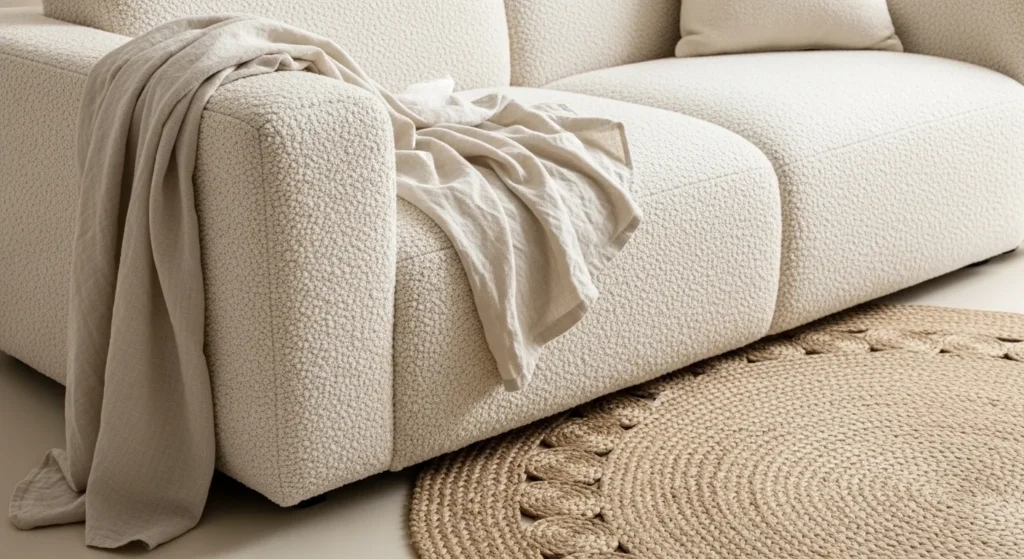
Japanese design rarely uses loud prints or busy patterns. Instead, interest is created through the layering of different textures. Combining rough stone, smooth wood, soft silk, and woven straw adds richness to the room without disrupting the color balance.
This approach engages the sense of touch and makes the room feel warm and inviting. It allows the eye to travel calmly across the space, noticing subtle details rather than being grabbed by bright graphics. Focusing on texture is one of the sophisticated japanese living room ideas that elevates a simple room into a designed sanctuary.
Add a Kotatsu for Warmth
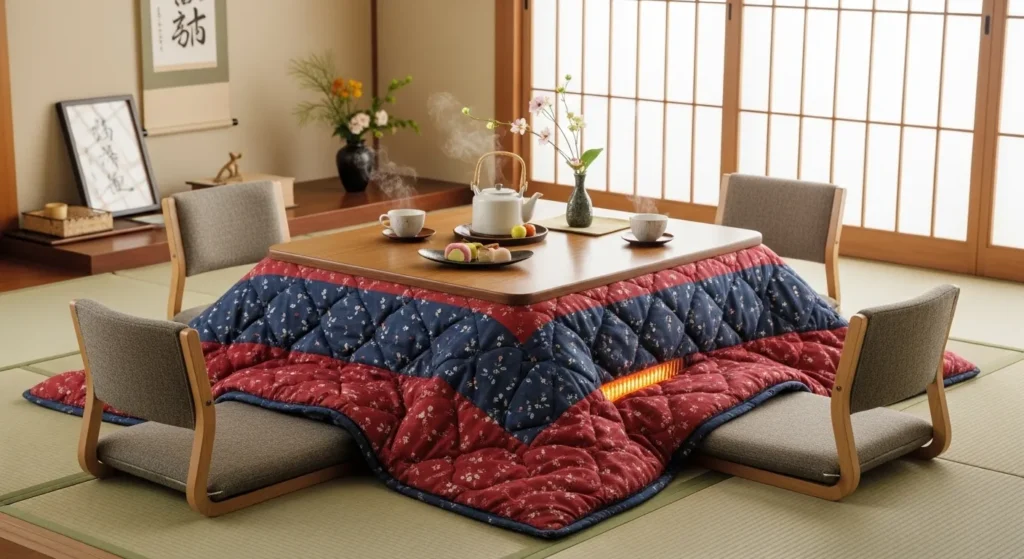
A Kotatsu is a low table with a built-in heater underneath and a thick blanket draped over it. It is the center of family life during the winter in Japan. While a traditional heated table might not work in every climate, the concept of a central, cozy gathering spot with blankets and low seating is universally appealing.
You can adapt this by creating a dedicated cozy zone with a low table and plenty of warm throws. It encourages family members to gather closely and relax together. This concept brings a unique cultural element to your home and is one of the coziest japanese living room ideas for creating a sense of togetherness.
Display Calligraphy or Scroll Art
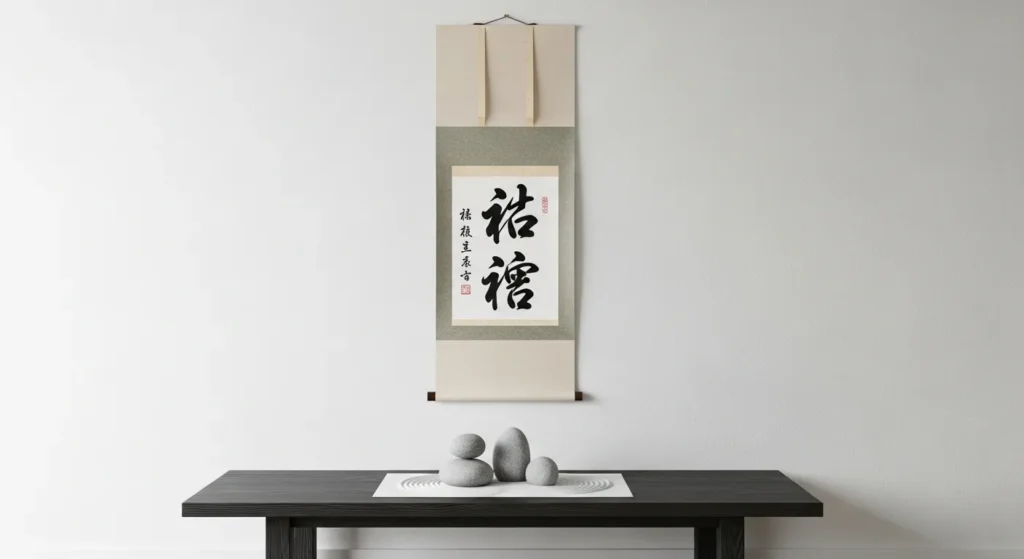
Traditional Japanese art often features calligraphy or ink wash paintings mounted on scrolls. These pieces are simple yet expressive, often depicting nature scenes or poetic characters. Hanging a single scroll in an empty alcove or on a main wall creates a meditative focal point.
This type of art aligns with the minimalist philosophy because it is usually black and white or uses very subtle colors. It adds a layer of cultural sophistication and intellectual depth to the room. Using scroll art is one of the most elegant japanese living room ideas for decorating walls without adding visual clutter.
Curate Handcrafted Ceramics
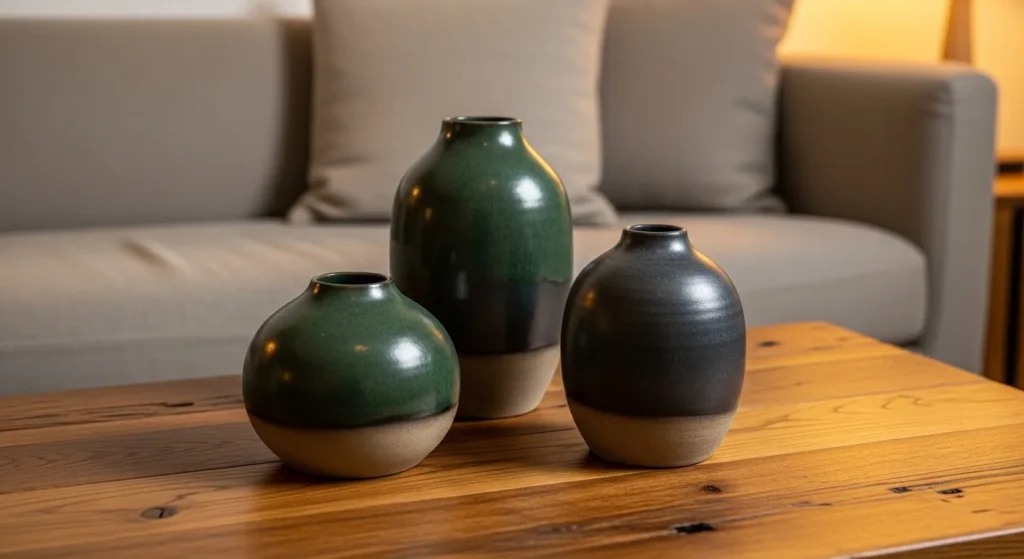
Ceramics are highly valued in Japanese culture, especially those that show the hand of the maker. Displaying a few carefully chosen bowls, vases, or tea sets adds a personal and artistic touch to the living room. Look for pieces with organic shapes and natural glazes.
These items serve as functional decor, bridging the gap between utility and art. They ground the room and offer a tactile element that mass-produced glass or metal cannot provide. Curating a small collection of ceramics is one of the most rewarding japanese living room ideas, allowing you to support artisans while beautifying your home.
Conclusion
Incorporating these fifteen concepts into your home will do more than just change how your room looks; it will change how the space feels. By focusing on balance, nature, and minimalism, you can create a living area that serves as a true retreat from the outside world. Whether you choose to install shoji screens or simply declutter your shelves, these japanese living room ideas offer a path to a more peaceful and mindful way of living.