
As we look forward to the future of home interiors, the focus shifts towards creating personal sanctuaries that blend technology with nature. The most prominent Bathroom Design Trends 2026 emphasize wellness, sustainability, and sophisticated aesthetics to transform ordinary spaces into luxurious retreats. Homeowners are moving away from purely functional spaces to create holistic environments that rejuvenate the mind and body.
Biophilic Living Walls
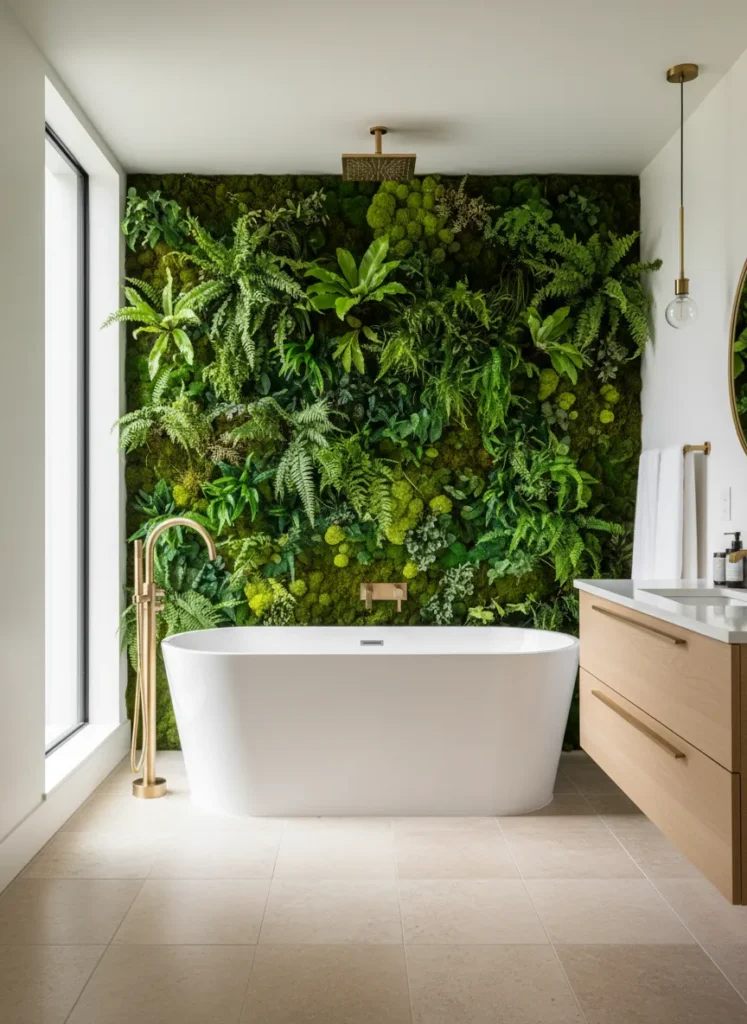
Bringing nature indoors continues to be a dominant theme in future home design. A full living wall behind the bathtub or vanity creates an immediate connection to the outdoors, promoting a sense of calm and fresh air. This design choice transforms a sterile bathroom into a vibrant garden sanctuary where you can escape the stress of daily life.
Beyond aesthetics, these vertical gardens improve air quality and regulate humidity naturally. The contrast between the organic textures of the plants and the smooth surfaces of modern tiles creates a visually stunning focal point. This trend is perfect for those who want to turn their morning routine into a revitalizing experience surrounded by nature.
Smart Interactive Mirrors
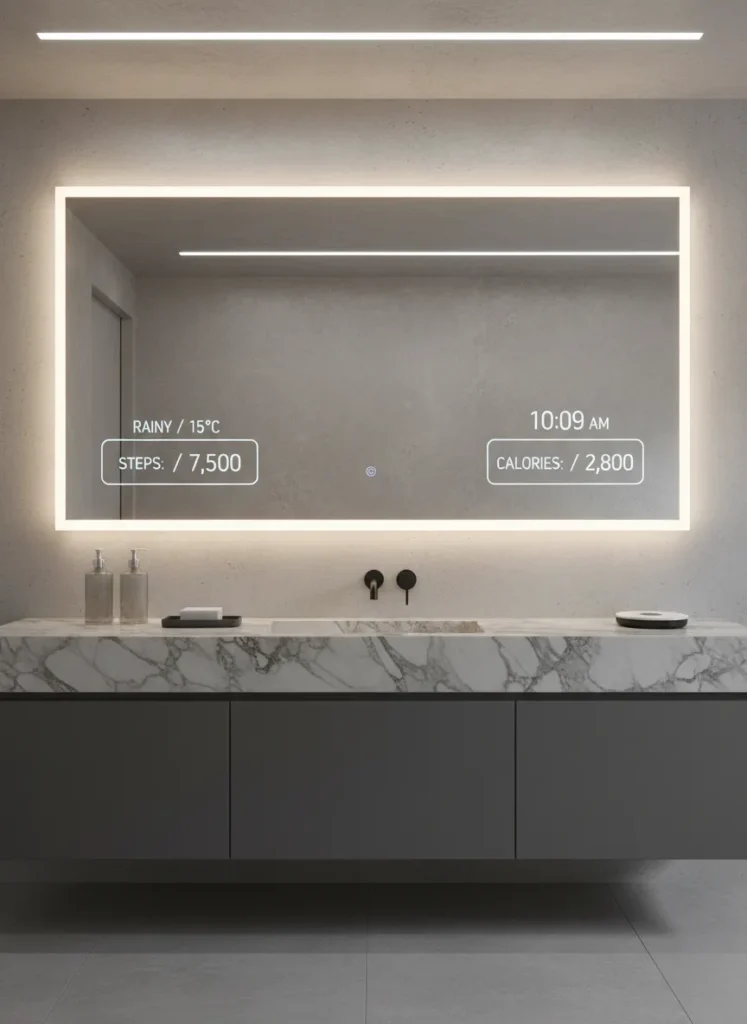
Technology is becoming seamlessly integrated into our daily rituals without cluttering the visual space. Smart mirrors that display the weather, news, or your daily schedule while you brush your teeth are becoming a standard luxury feature. These surfaces disappear when not in use, leaving behind a clean and reflective glass that maintains the elegance of the room.
These intelligent devices also offer adjustable lighting settings to mimic natural daylight or evening ambiance. This functionality ensures that grooming is precise while allowing you to set the mood for a relaxing bath later in the day. It is the perfect marriage of high-end convenience and modern minimalist design.
Sculptural Stone Bathtubs
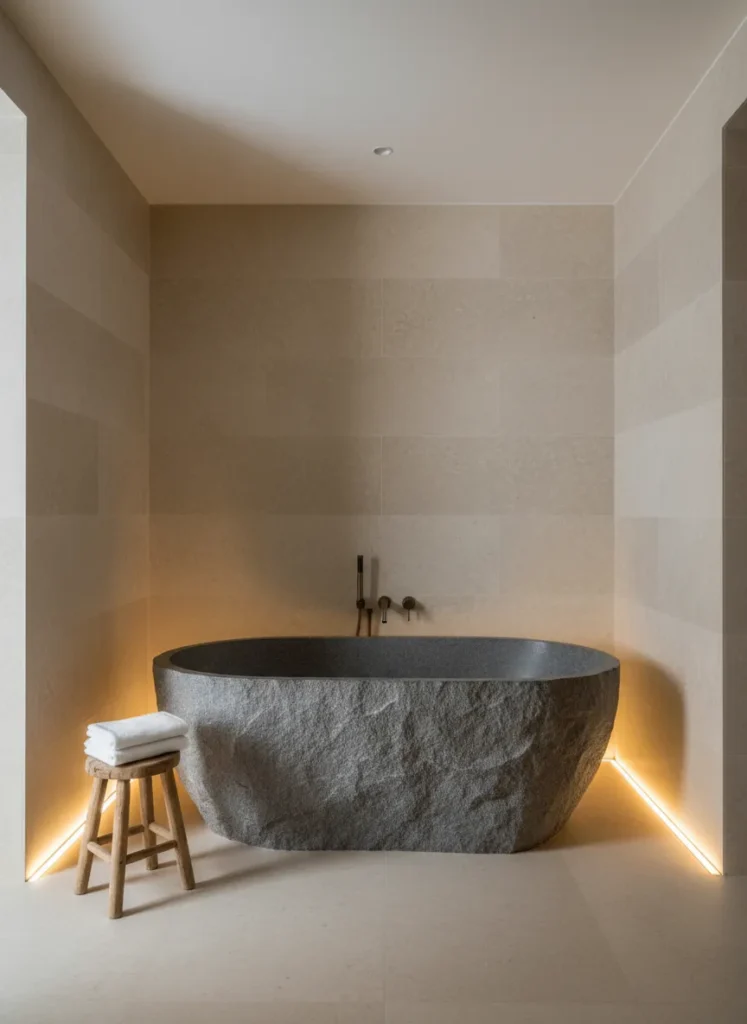
The era of the standard white acrylic tub is fading as homeowners seek unique statement pieces. Bathtubs carved from solid stone, such as granite, marble, or travertine, serve as functional art in the center of the room. Their heavy visual weight and organic textures ground the space and provide a deep sense of permanence and luxury.
These tubs retain heat exceptionally well, allowing for longer and more comfortable soaks. The natural variations in the stone mean that no two bathtubs are exactly alike, giving your bathroom a truly custom look. Placing such a bold piece in the middle of the room instantly elevates the design status of the home.
Warm Metallic Accents
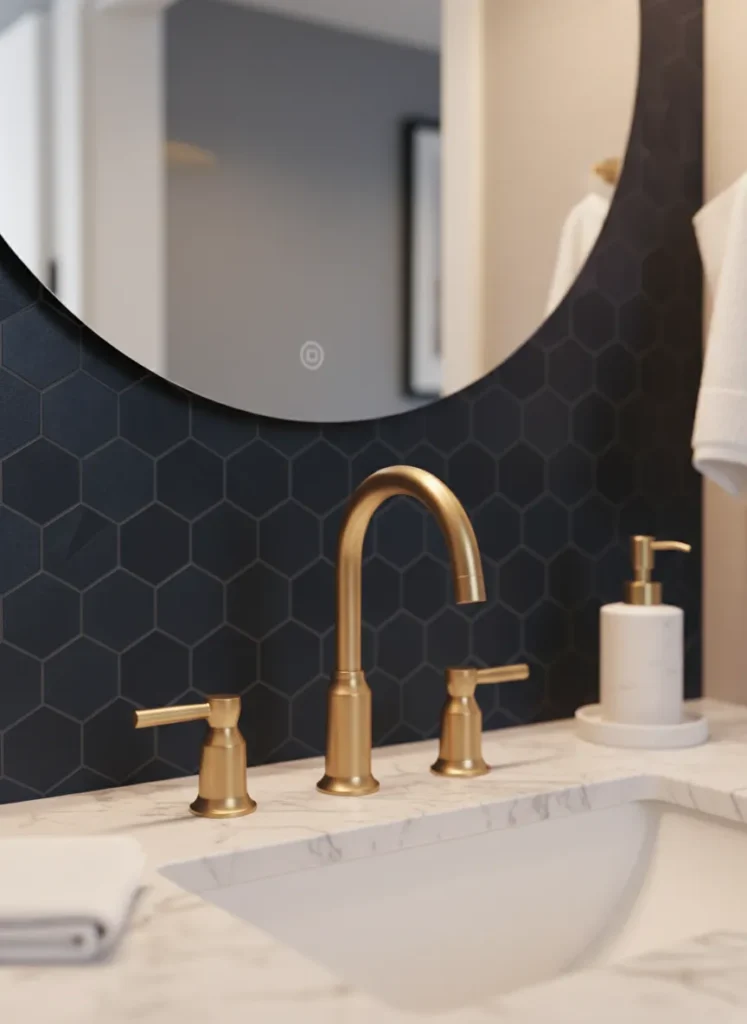
Cool chrome and stainless steel are being replaced by warmer metals like brushed brass, copper, and champagne gold. These finishes add a layer of warmth to the bathroom, preventing it from feeling too cold or clinical. When paired with darker cabinetry or stone, these metals glow beautifully and add a vintage yet timeless charm.
The key to this trend is selecting matte or brushed finishes rather than high-gloss shine. This subtlety hides fingerprints better and looks more sophisticated under ambient lighting. Mixing these warm metals with natural wood elements creates a harmonious and inviting palette that feels incredibly expensive.
Chromotherapy Shower Systems
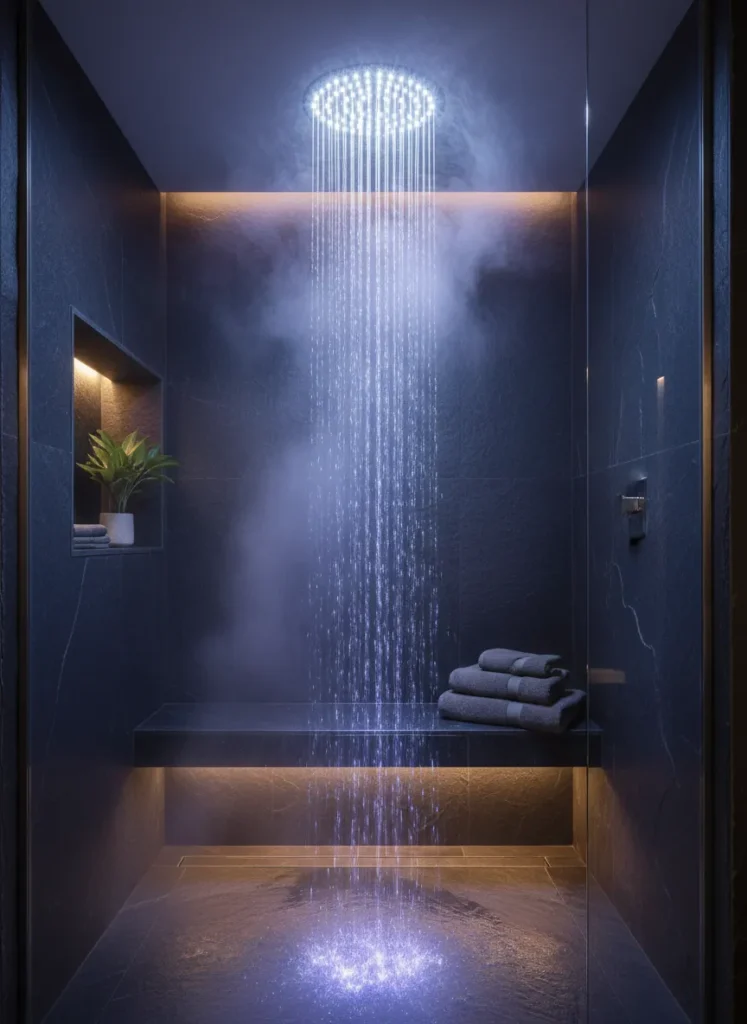
Wellness is at the forefront of design, and showers are evolving into therapeutic experiences. Chromotherapy involves using colored lights within the shower stream to influence mood and energy levels. Blue lights can calm the mind before sleep, while invigorating red or yellow lights can boost energy in the morning.
This integration of light and water turns a daily chore into a sensory event. The systems are often controlled via voice or a sleek digital panel, allowing for complete customization. It is a feature that emphasizes the shift towards bathrooms serving as private health spas within the home.


Dark Japandi Aesthetics
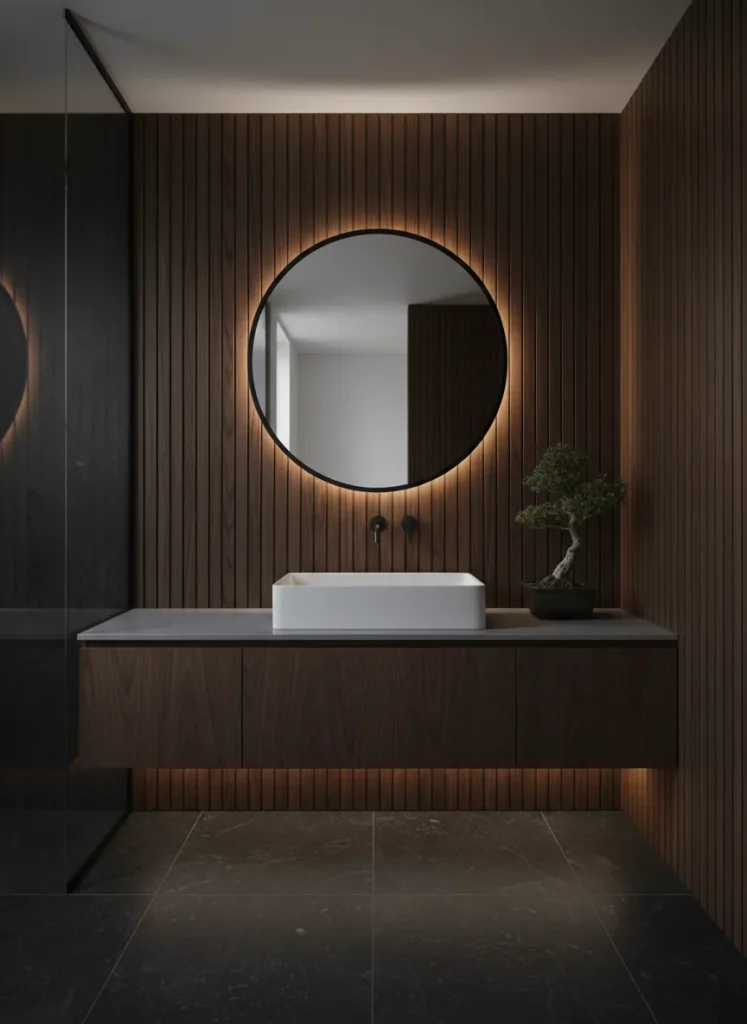
Japandi style, a blend of Japanese minimalism and Scandinavian functionality, is evolving into a moodier color palette. Instead of light oaks and whites, we are seeing dark walnut woods paired with charcoal stones and black fixtures. This deeper tone creates a cozy, cocoon-like effect that feels incredibly safe and private.
The lines remain clean and uncluttered, preserving the zen philosophy of the design. The dark colors absorb light rather than reflecting it, which reduces visual noise and promotes relaxation. This sophisticated twist on a popular style adds drama and depth without sacrificing simplicity.
Sustainable Terrazzo Surfaces
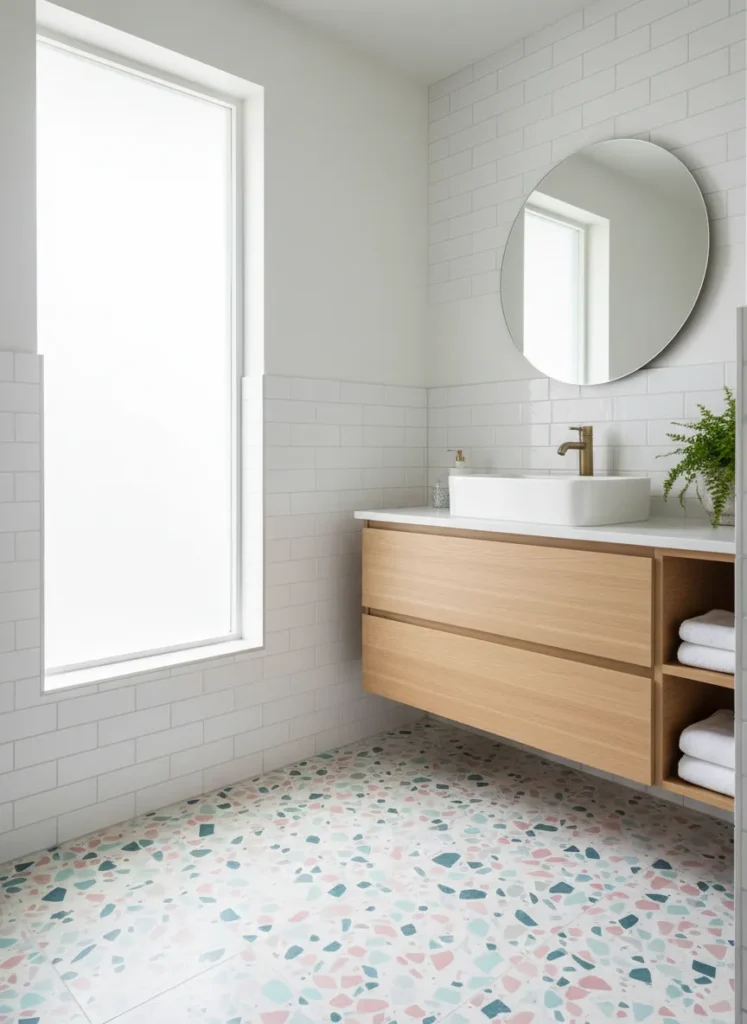
Terrazzo is making a massive comeback with a focus on sustainability and bold patterns. Modern terrazzo uses large chips of recycled glass, marble, and quartz set into concrete, making it an eco-friendly choice for floors and walls. The playful speckled pattern hides water spots and dust, making it practical for high-traffic areas.
Designers are using terrazzo to inject personality and color into otherwise neutral bathrooms. Whether used for a custom vanity top or a feature wall in the shower, it adds texture and artistic flair. The material is incredibly durable, ensuring that the bathroom remains beautiful for decades.
Open Wet Rooms
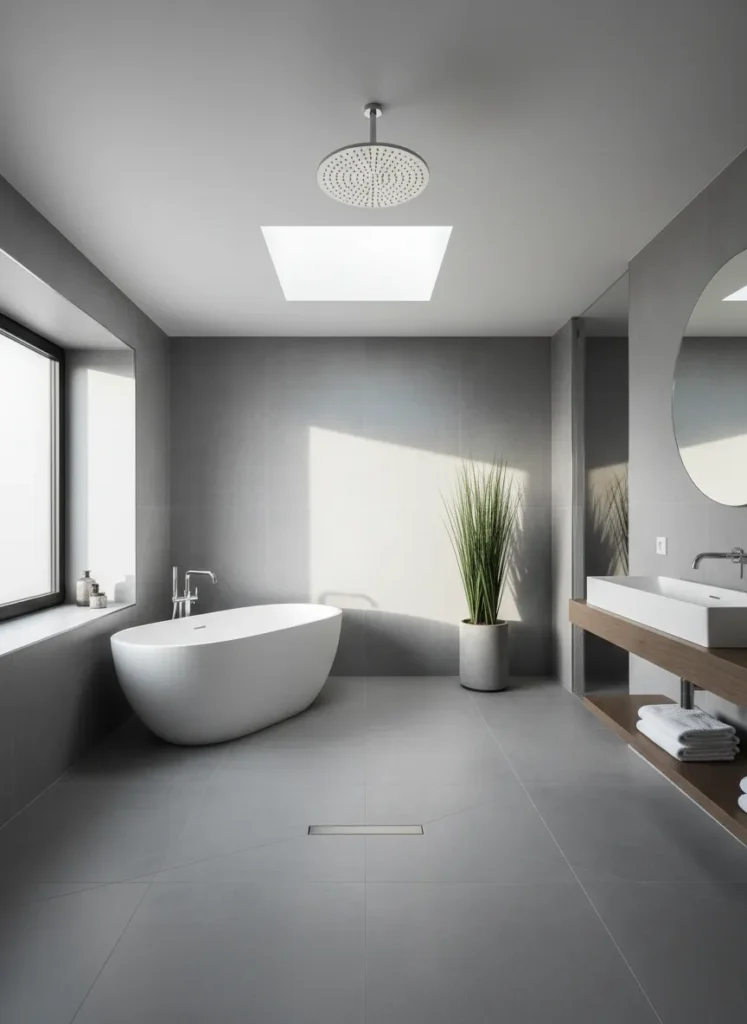
The traditional shower enclosure is disappearing in favor of expansive wet rooms. By waterproofing the entire bathroom and removing barriers, the space feels significantly larger and more luxurious. This layout is also universally accessible, making it a smart choice for long-term living.
Without glass doors to clean or steps to navigate, the flow of the room is seamless and airy. Large format tiles are typically used to minimize grout lines, enhancing the sleek appearance. This architectural approach mimics the freedom and openness found in high-end resort spas.
Voice-Activated Controls
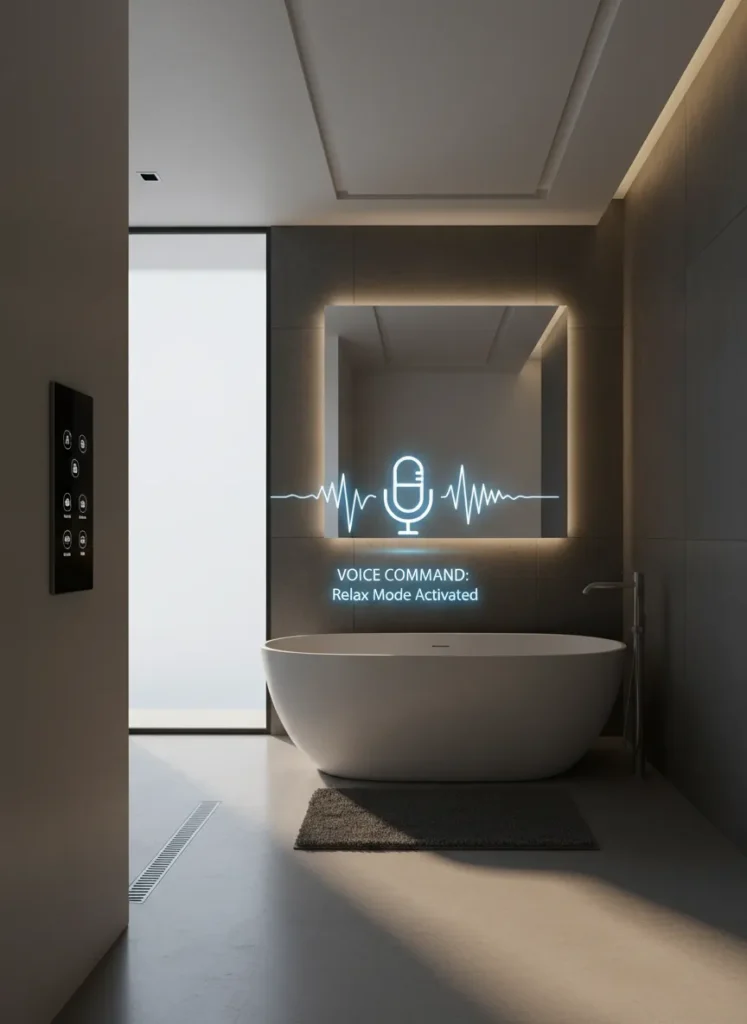
Touchless technology is advancing rapidly, allowing users to control every aspect of the bathroom with their voice. You can start the shower, set the water temperature, and adjust the lighting without lifting a finger. This not only adds a layer of convenience but also improves hygiene by reducing surface contact.
Imagine walking into the bathroom and simply asking for a relaxing bath setting. The lights dim, music starts playing, and the tub begins to fill at the perfect temperature. This level of automation defines the ultimate luxury experience for the modern smart home.
Floating Marble Vanities
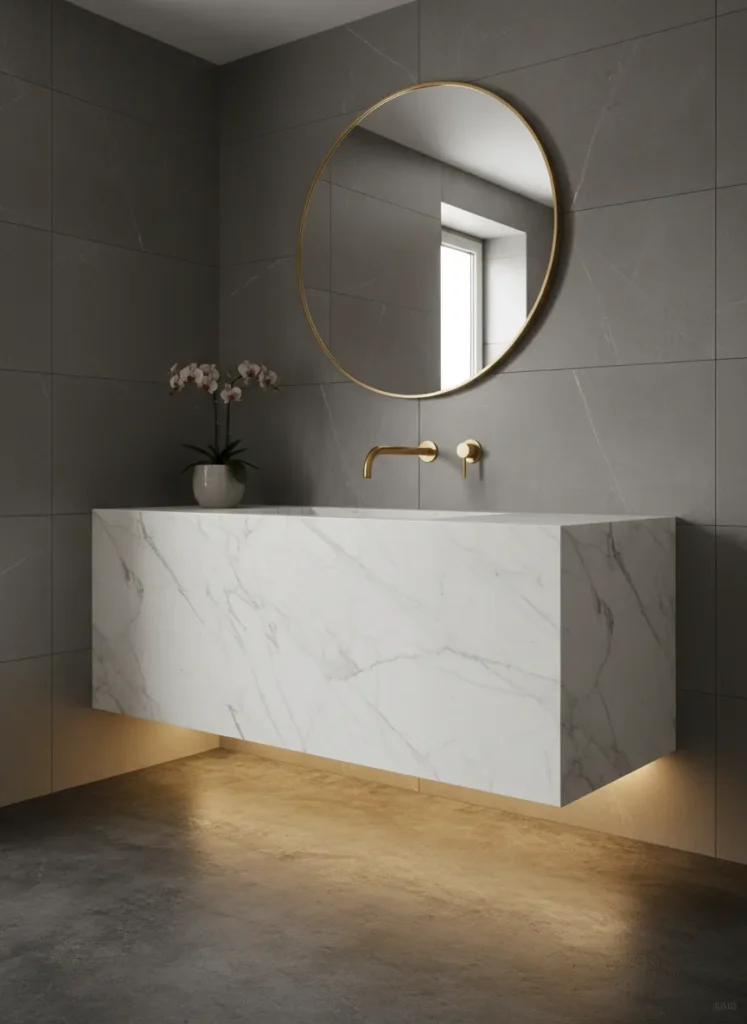
Suspended vanities create an illusion of more floor space, making the bathroom feel wider and more open. Using a solid block of marble or stone for this floating element adds a sense of grandeur and opulence. The natural veining of the stone becomes a piece of art that draws the eye immediately.
Under-cabinet lighting is often added to enhance the floating effect and provide soft night lighting. This design is practical as well, making it easier to clean the floor underneath. It combines architectural beauty with functional minimalism.
Curved Architectural Lines
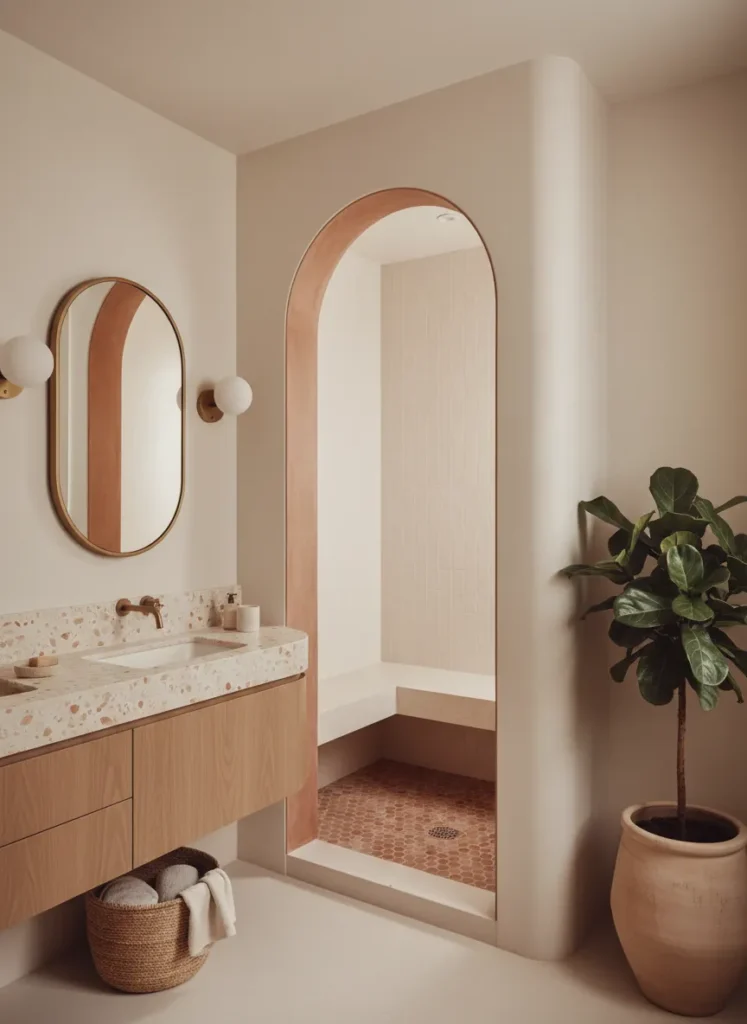
Sharp edges and straight lines are being softened by the introduction of curves and arches. From arched doorways to rounded shower walls and circular mirrors, these organic shapes promote a sense of flow and gentleness. This trend moves away from the rigid structures of the past decade.
Curved furniture and fixtures feel more welcoming and comfortable to the human eye. They break up the boxy feel of standard rooms and add a romantic, classical touch to the architecture. This design language speaks to comfort and fluid movement within the space.
Textured Matte Black Fixtures
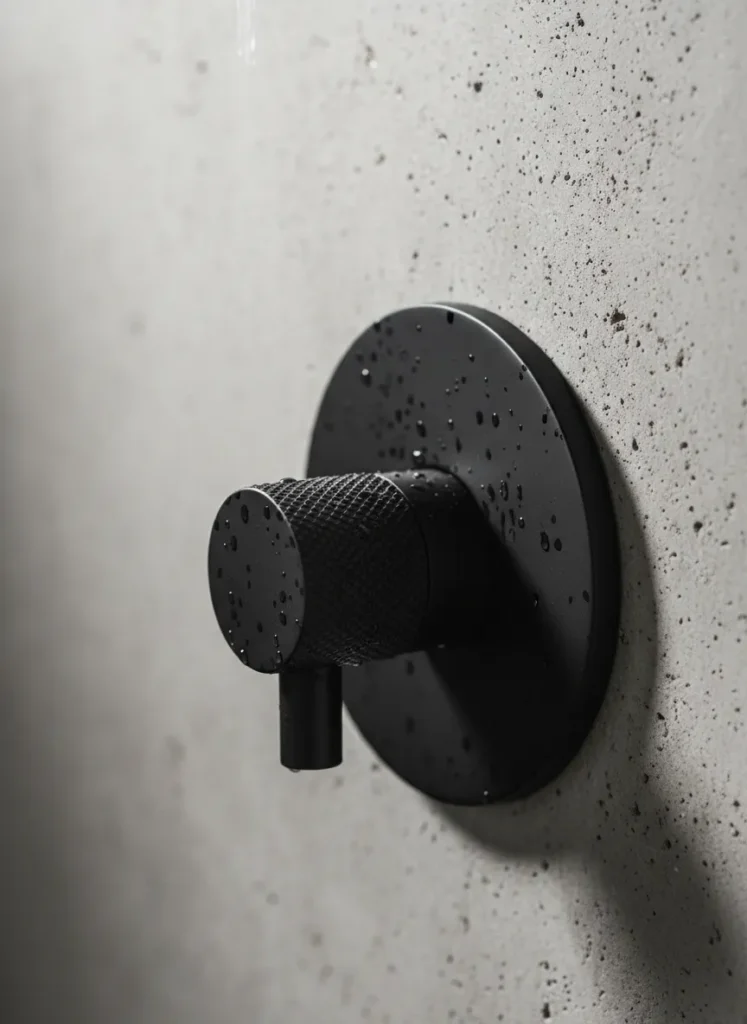
Black fixtures have been popular, but the new trend focuses on texture. Knurled or ribbed surfaces on faucets and handles add a tactile element that feels premium to the touch. The matte finish prevents glare and resists water spots, keeping the look clean.
These dark accents provide a grounding contrast to light stone or tile work. The added texture transforms a simple functional item into a decorative detail. It is a subtle way to introduce industrial chic into a luxury setting without it feeling cold.
In-Bathroom Lounge Seating
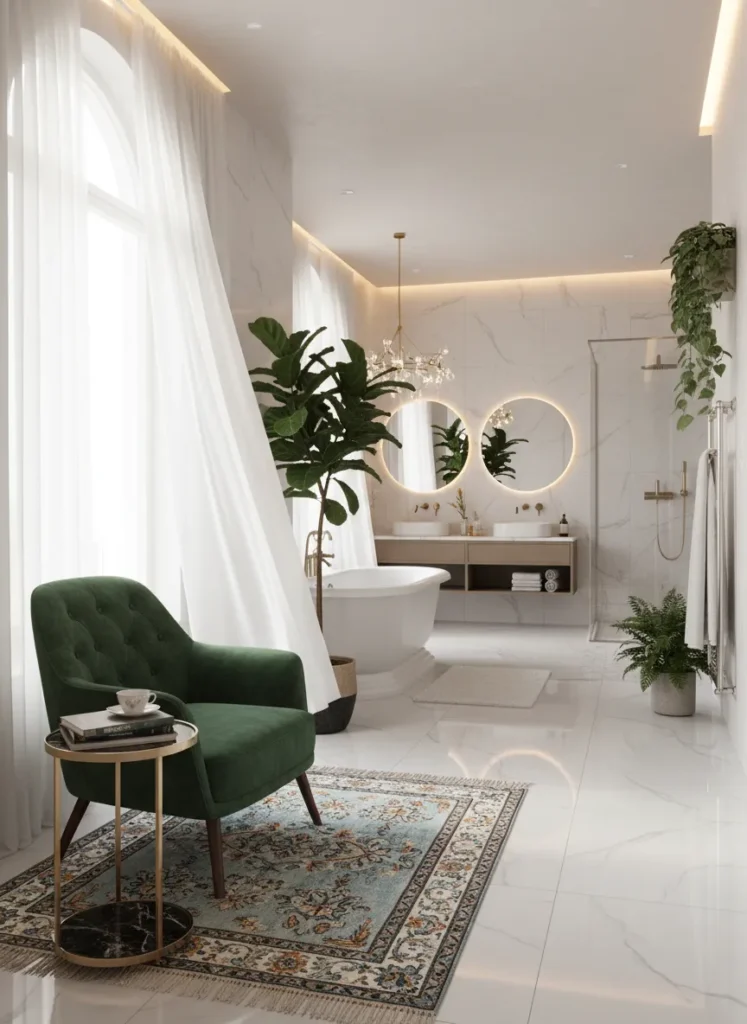
Bathrooms are expanding to include comfortable seating areas, treating the space like a living room. A velvet armchair or a cushioned bench invites you to linger, read a book, or relax while a face mask sets. This trend emphasizes the bathroom as a destination for leisure rather than just utility.
Soft fabrics and upholstery soften the hard surfaces of tile and stone, adding warmth and acoustics to the room. It creates a transitional space where one can dress or undress in comfort. This addition truly redefines the bathroom as a private retreat.
Skylights and Ceiling Windows
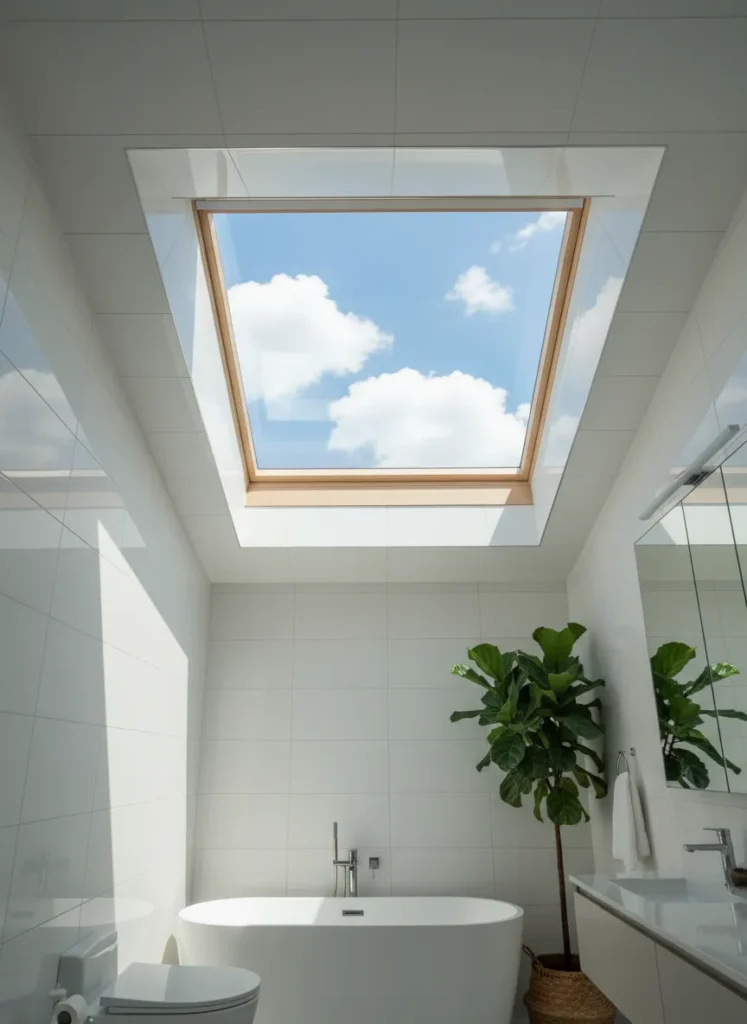
Natural light is the ultimate luxury, and skylights are the best way to maximize it without compromising privacy. Flooding the room with sunlight during the day makes the space feel expansive and energetic. At night, it offers a view of the stars while you soak in the tub.
Architecturally, a skylight draws the eye upward, increasing the perceived height of the room. It reduces the need for artificial lighting during the day, which is energy efficient. The ever-changing light creates a dynamic atmosphere that connects the interior with the sky.
Seamless Hidden Storage
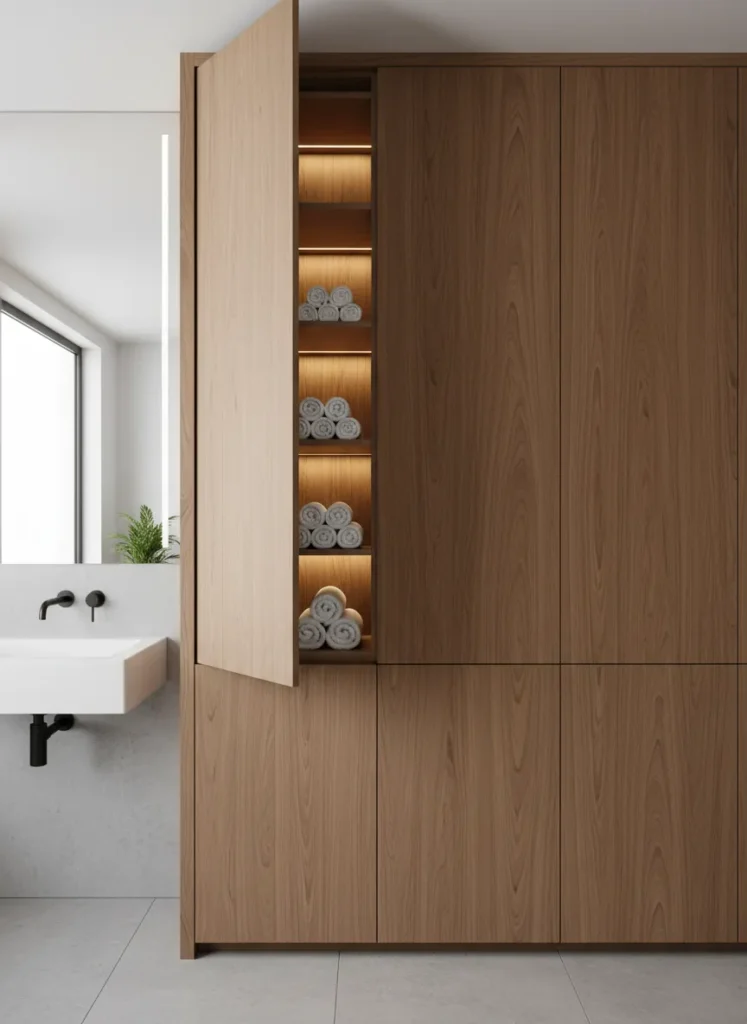
Clutter is the enemy of relaxation, so storage is becoming completely invisible. Floor-to-ceiling cabinetry that mimics wall paneling allows you to hide everything from towels to toiletries. Push-to-open mechanisms eliminate the need for handles, maintaining sleek lines.
This approach allows the beautiful fixtures and materials to take center stage without visual distraction. It keeps the environment serene and organized, which is essential for mental clarity. The result is a space that feels always tidy and intentionally designed.
Eco-Friendly Water Recycling
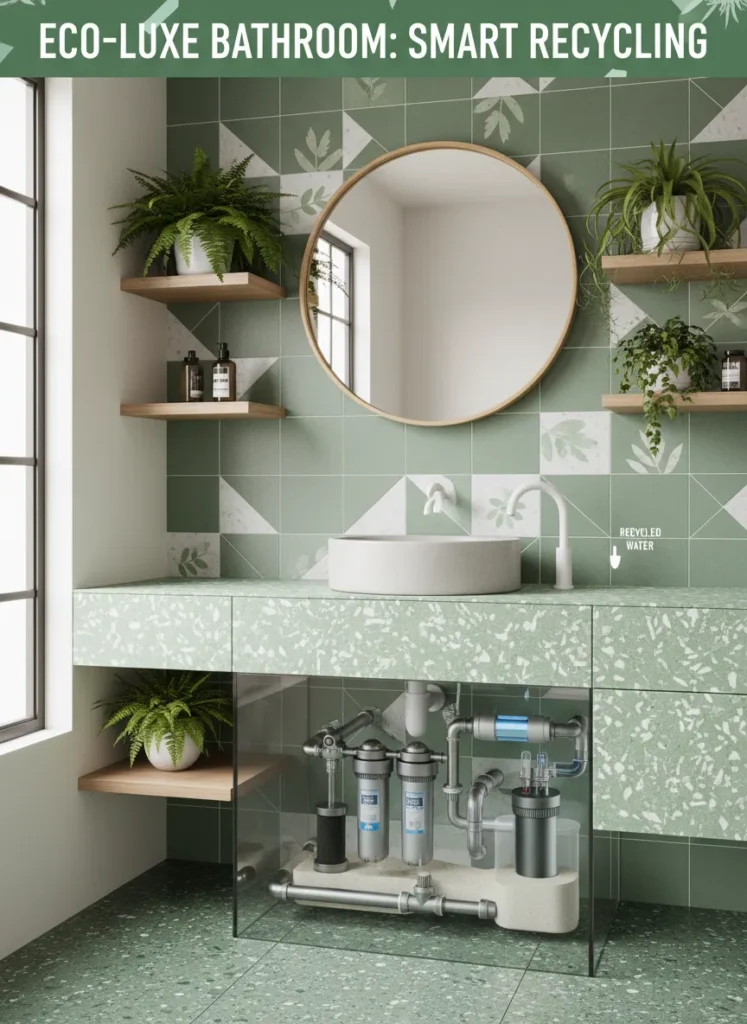
Sustainability is no longer optional; it is a key component of modern luxury. Advanced systems that recycle shower water for toilet flushing or garden use are being integrated into high-end homes. These systems reduce water waste significantly without changing the user experience.
Designers are highlighting these eco-features as points of pride. Knowing that your home is environmentally responsible adds to the feeling of modern luxury. It appeals to the conscious consumer who values both aesthetics and the planet.
Jewel Toned Tiles
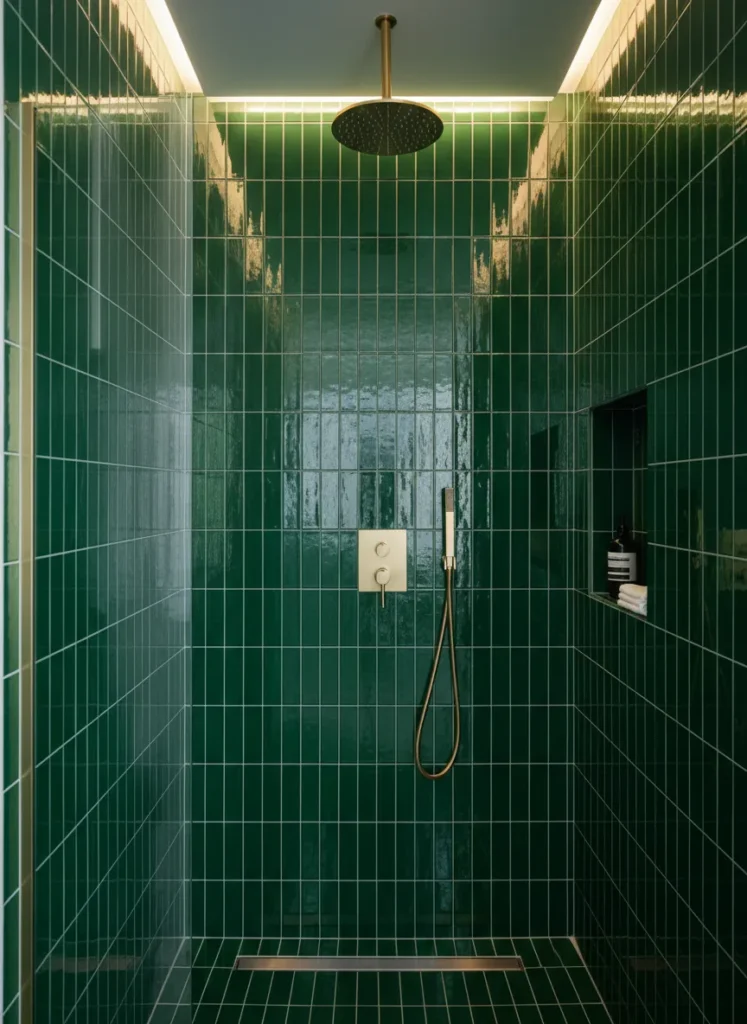
While neutrals are safe, deep jewel tones are emerging for those seeking drama. Emerald greens, sapphire blues, and amethyst purples in glossy finishes create a moody and expensive aesthetic. These tiles reflect light beautifully, adding depth and mystery to the room.
Used as a feature wall or in a shower niche, these colors evoke a sense of royalty and history. They pair exceptionally well with the warm brass metals mentioned earlier. This trend is about embracing bold color to create an emotional impact.
Heated Floors and Walls
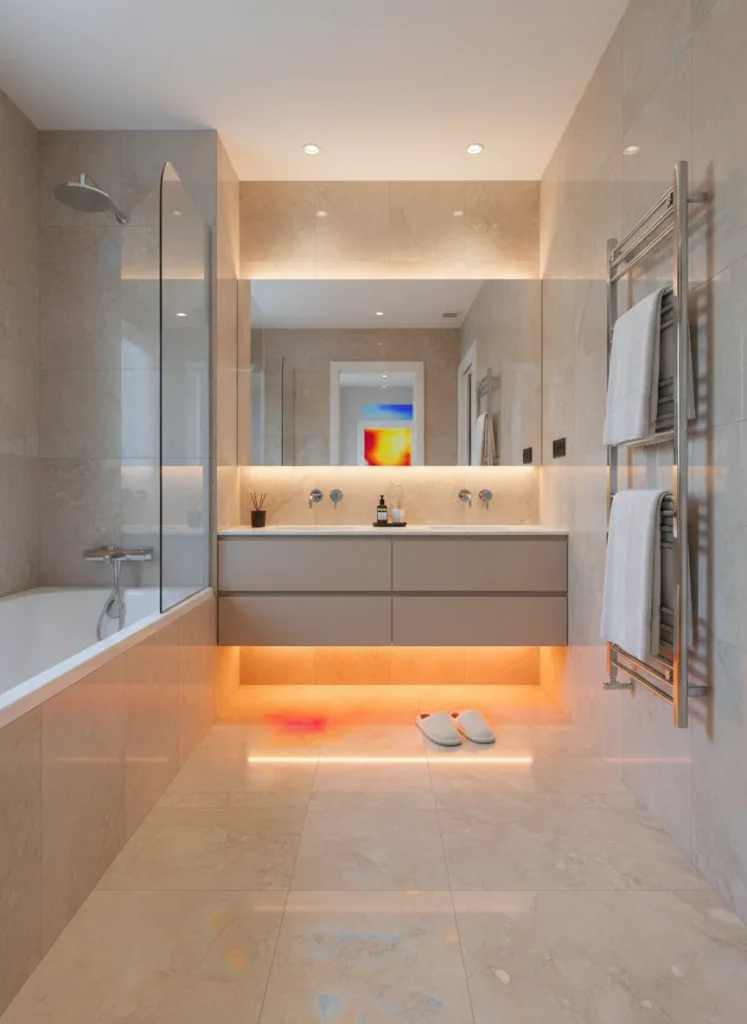
Radiant heating is expanding beyond just the floors to include heated walls and shower benches. Stepping into a bathroom where the surfaces radiate warmth creates a cocoon of comfort, especially in colder climates. It eliminates the shock of cold tiles on bare skin.
This invisible luxury dries the bathroom surfaces faster, reducing mold and humidity issues. It also allows for the removal of bulky radiators, freeing up wall space for design. The physical sensation of warmth adds a tactile layer of luxury that is felt rather than seen.
Vintage and Modern Fusion
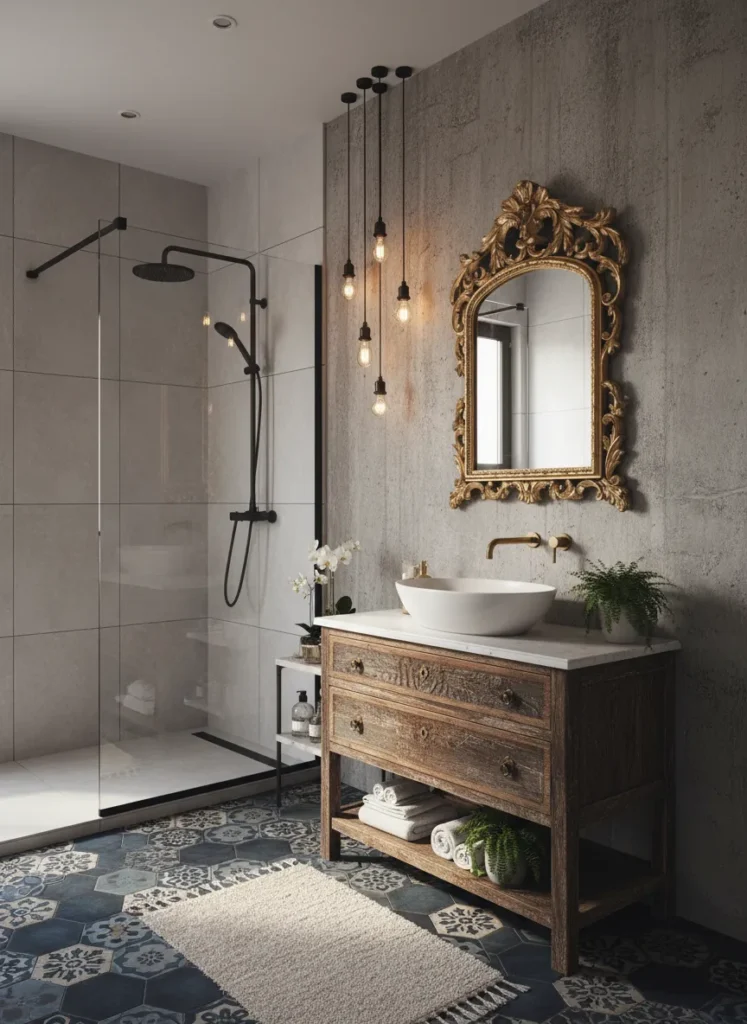
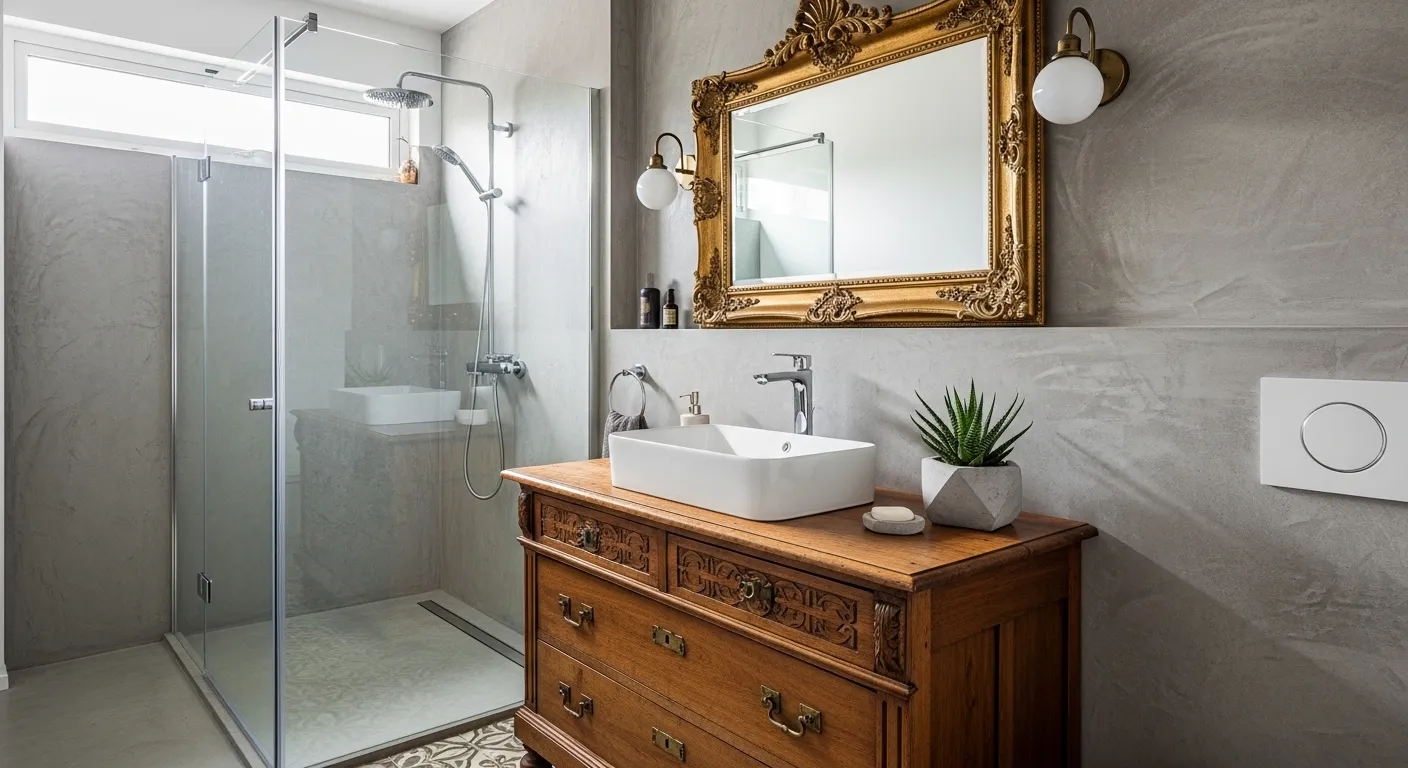
The most interesting spaces tell a story by mixing eras. repurposing an antique dresser as a vanity and pairing it with ultra-modern faucets creates a unique juxtaposition. This fusion adds soul and character to a new build, preventing it from feeling like a showroom.
It allows homeowners to showcase heirlooms or vintage market finds alongside cutting-edge technology. The contrast between the worn, imperfect textures of antiques and the sleek precision of modern fixtures is visually stimulating. It results in a curated, bespoke look.
Texture Overlap
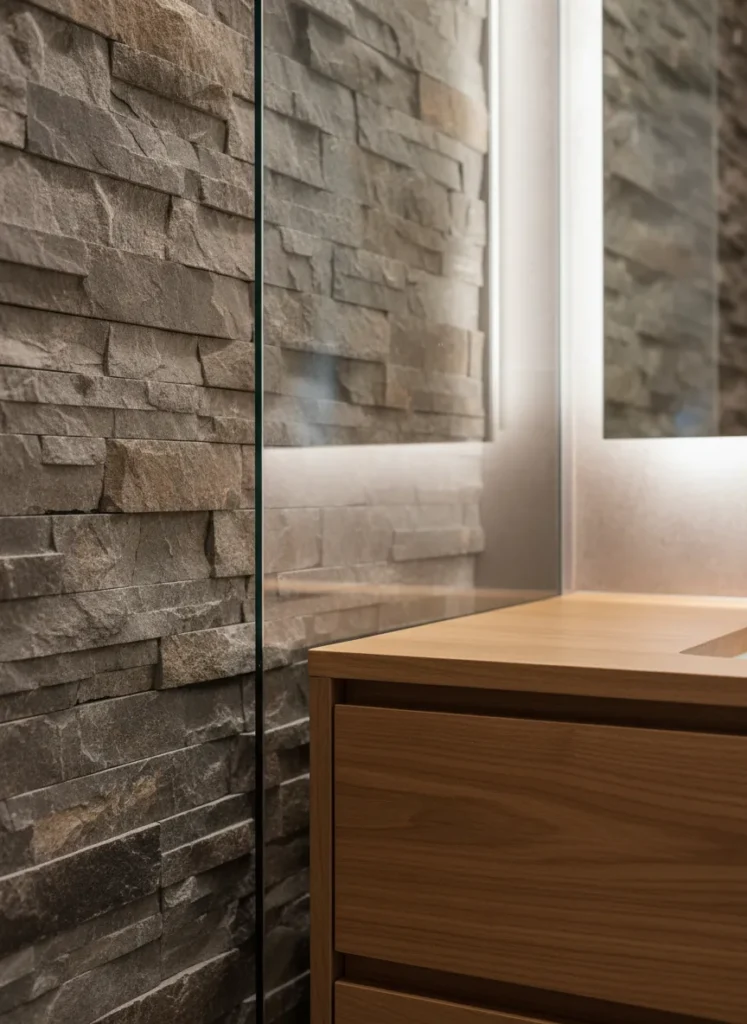
Monochromatic rooms are being made interesting through the layering of heavy textures. Combining rough stone, smooth glass, ribbed wood, and soft textiles creates a rich sensory experience. The eye is entertained by the variety of surfaces even if the colors are similar.
This trend relies on light and shadow to reveal the depth of the materials. It encourages touching and feeling the surfaces, making the design interactive. It is a sophisticated way to add complexity to a minimalist color palette.
Sensory Aromatherapy Integration
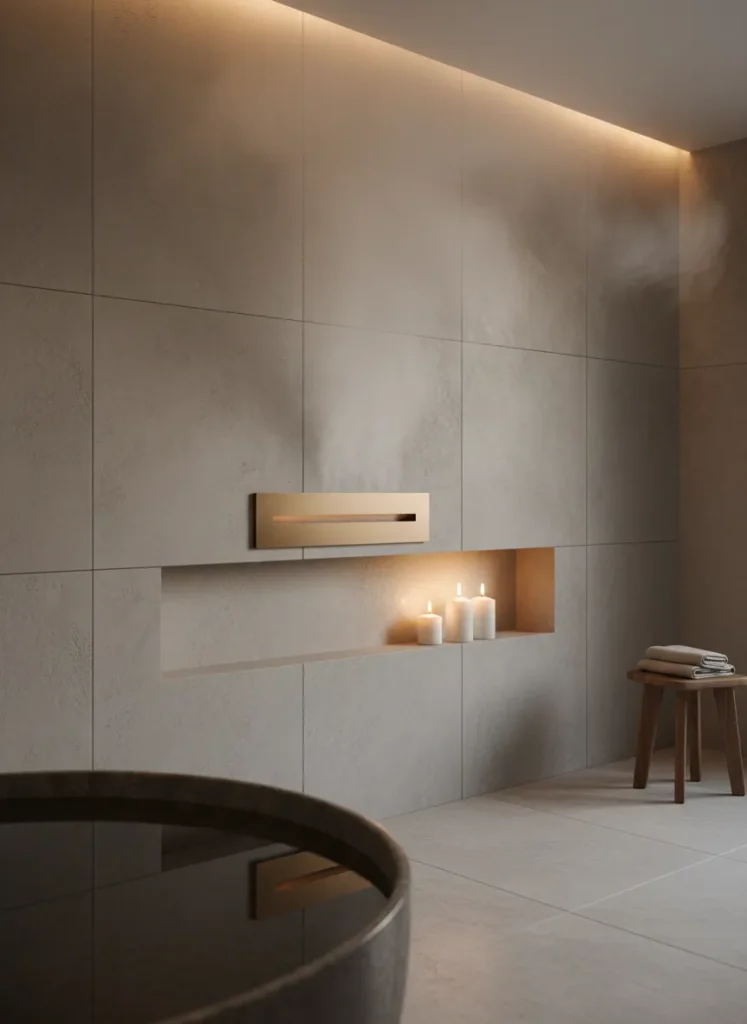
The final layer of luxury design is scent. Integrated aromatherapy systems that diffuse essential oils through the HVAC or dedicated wall units are becoming popular. Scent has a powerful link to memory and relaxation, instantly setting the mood upon entry.
You can program different scents for different times of day—citrus for energy in the morning and lavender for sleep at night. This invisible design element completes the sensory experience. It transforms the bathroom from a visual space into a holistic environment.
Conclusion
The Bathroom Design Trends 2026 are clearly steering us toward spaces that prioritize personal well-being and environmental responsibility. By incorporating elements like biophilic design, smart technology, and luxurious textures, you can create a home spa that stands the test of time. Whether you plan a full renovation or small updates, these ideas offer the perfect inspiration to redefine luxury in your own home.