
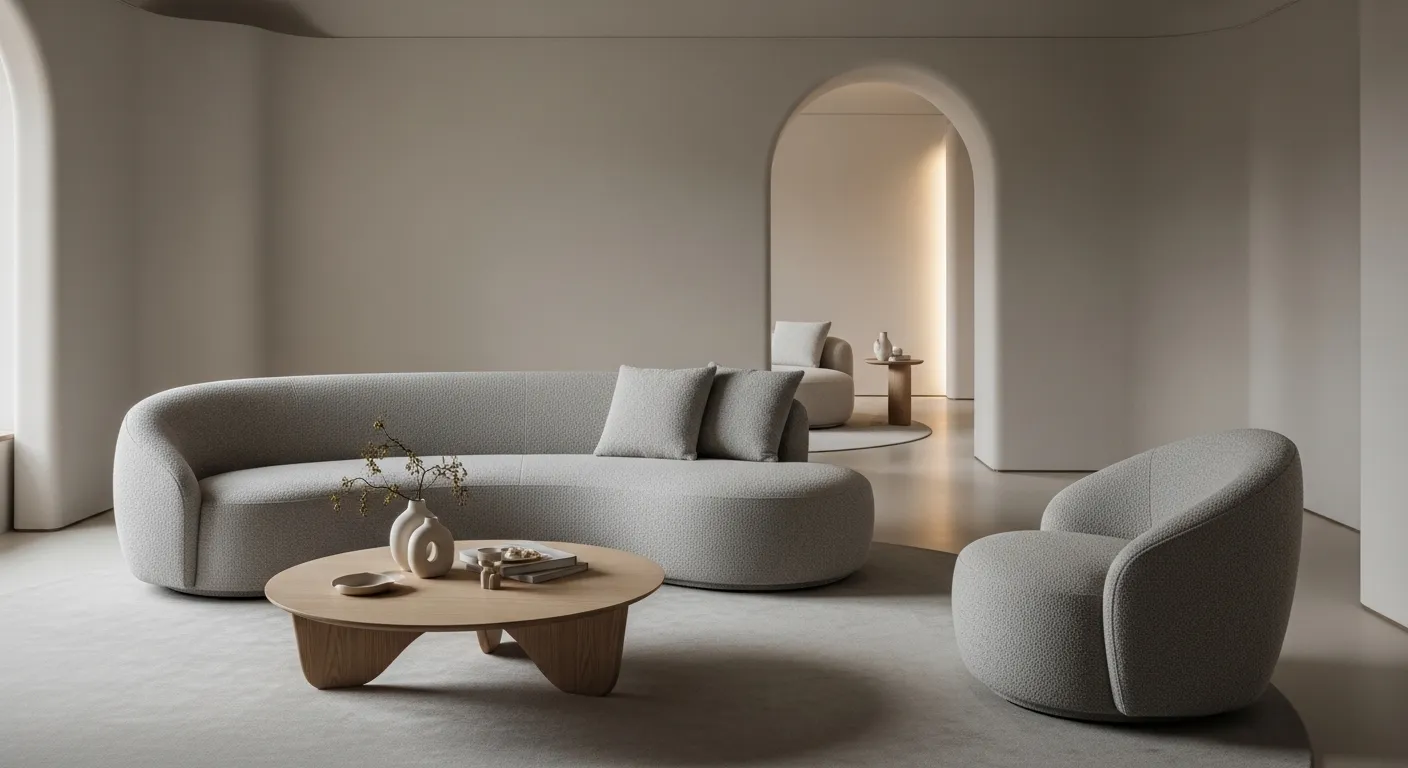
Creating a sanctuary at home is easier than ever when you blend the rustic warmth of Scandinavian design with the functional elegance of Japanese aesthetics. This fusion, known as Japandi, focuses on clean lines, bright spaces, and a deep connection to nature. If you are looking to transform your space into a peaceful retreat, exploring these japandi living room ideas will provide the perfect inspiration to help you design a home that feels both curated and incredibly inviting.
Low Profile Furniture Arrangements
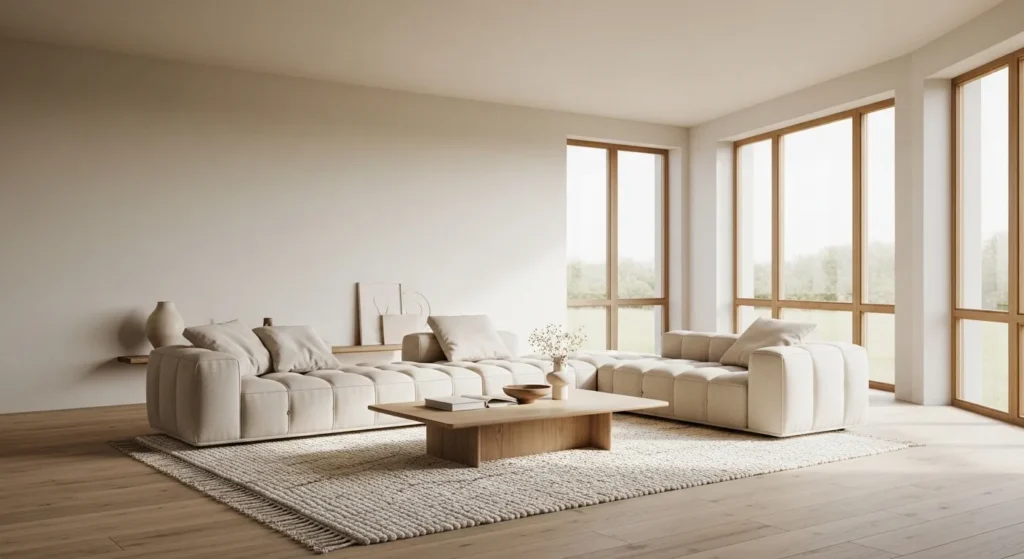
Choosing furniture that sits closer to the ground is a hallmark of Japanese design that translates beautifully into this hybrid style. Low sofas and coffee tables create a sense of spaciousness because they leave more vertical room open, making the ceiling feel higher and the room airier. This approach encourages a grounded feeling, inviting you to relax and connect with the earth elements in your home.
When implementing this look, focus on clean lines and avoid ornate details. A simple, low sectional in a neutral fabric serves as the perfect centerpiece. By keeping the visual weight low, you allow the eye to travel freely across the room, which enhances the sense of calm essential to successful japandi living room ideas.
Warm Wood Slat Feature Walls
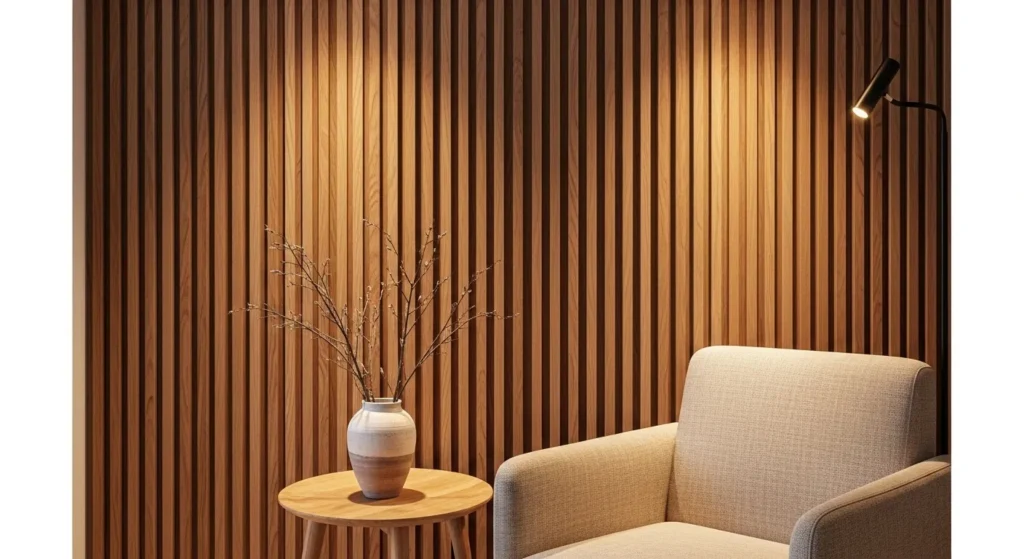
Wood slats add texture and architectural interest without overwhelming a minimalist space. The vertical lines draw the eye upward, adding height to the room, while the natural wood tone introduces the warmth characteristic of Scandinavian interiors. This feature works exceptionally well behind a sofa or television, providing a structured backdrop that feels organic rather than industrial.
Incorporating a wood slat wall also improves the acoustics of a room by breaking up sound waves, making your living area feel quieter and more intimate. It serves as a focal point that requires no additional decoration, adhering to the principle of simplicity. This balance of function and beauty is a core component of the best japandi living room ideas.
Rice Paper Lighting Fixtures
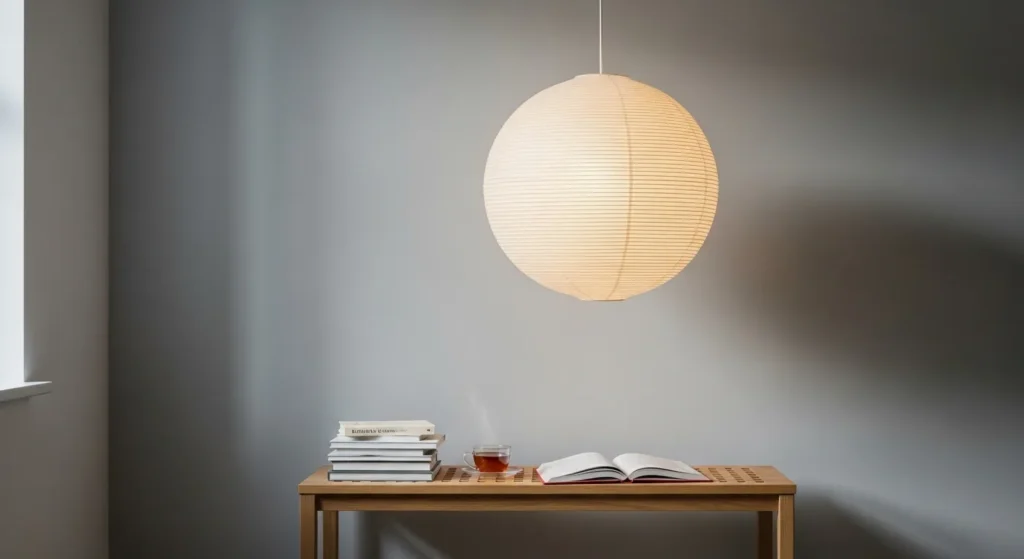
Lighting plays a crucial role in setting the mood, and nothing says Japandi quite like a paper lantern or pendant. These fixtures diffuse light gently, eliminating harsh shadows and creating a soft, ambient glow that mimics natural light. The delicate texture of the paper adds a layer of visual interest that contrasts nicely with heavier furniture pieces.
You can place a large paper pendant in the center of the room or use a floor lamp with a paper shade next to a reading chair. The goal is to create a warm atmosphere that feels cozy at night. This type of lighting softens the edges of a minimalist room, ensuring the space feels welcoming rather than sterile.
Neutral Color Palettes with Earth Tones
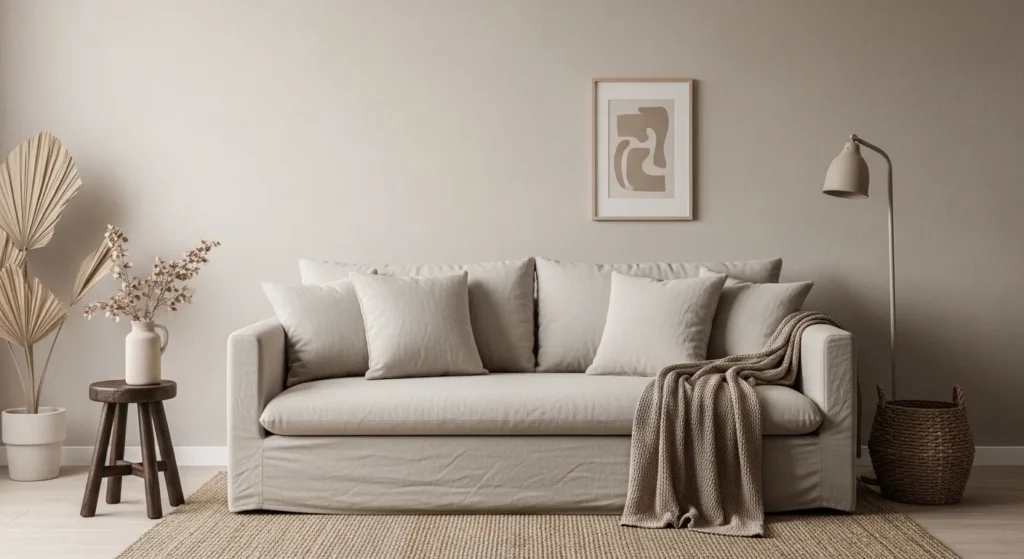
Sticking to a neutral color palette is essential for achieving a serene environment. Shades of beige, cream, stone, and oatmeal create a blank canvas that reflects light and makes the room feel larger. However, unlike a purely white minimalist room, Japandi incorporates warmer earth tones like terracotta or muted brown to prevent the space from feeling cold.
Using these colors on your walls and large furniture pieces creates a cohesive look that is easy on the eyes. You can introduce subtle variations in shade to add depth without breaking the monochromatic theme. This restraint in color usage allows the textures and shapes in the room to stand out, which is vital for effective japandi living room ideas.
Boucle and Textured Fabrics
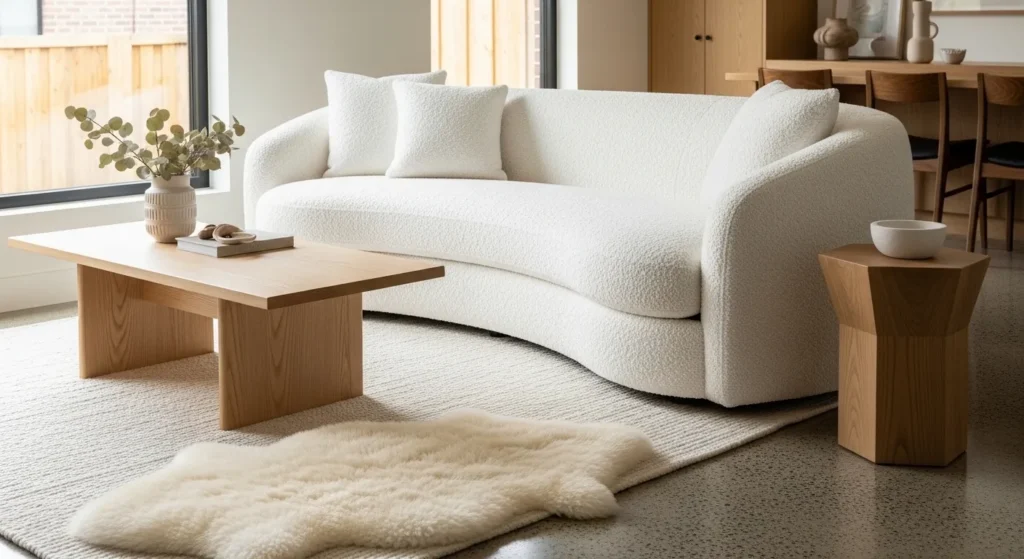
Since the color palette is often subdued, texture becomes the main tool for adding interest to the room. Boucle fabric, with its looped and curled yarn, offers a tactile quality that invites touch and adds a sense of coziness or “hygge.” Upholstering a sofa or an armchair in boucle instantly softens the clean lines of the furniture.
Mixing different textures is key to keeping a neutral room from looking flat. Pair the rough texture of boucle with smooth wood or cool stone surfaces. This interplay of materials creates a rich sensory experience that makes the living room feel luxurious and comfortable without the need for bright colors or patterns.
Bonsai and Intentional Greenery
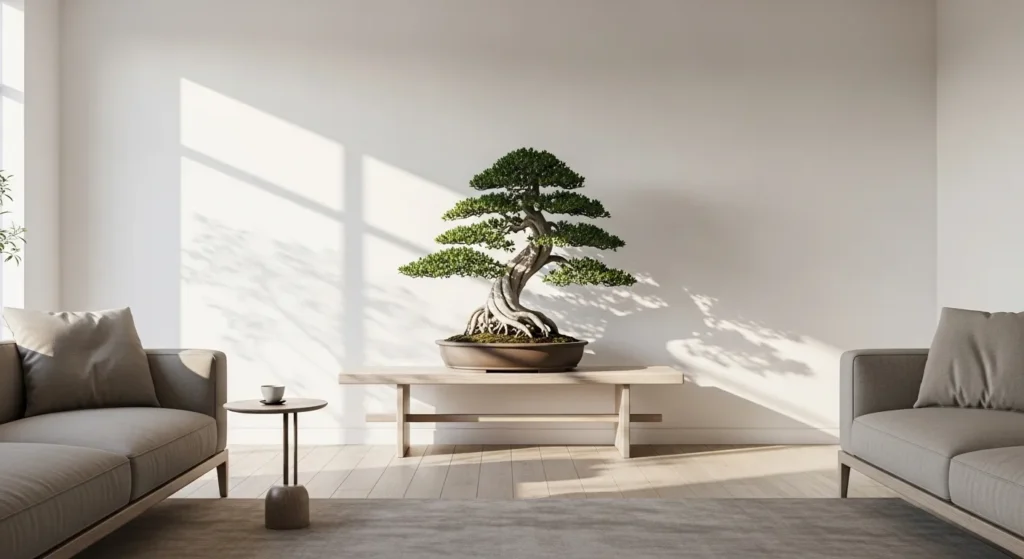
Bringing the outdoors in is a shared value in both Japanese and Scandinavian design philosophies. However, instead of a jungle of plants, Japandi favors a few carefully selected specimens. A bonsai tree or a tall branch in a ceramic vase acts as a living sculpture, adding a touch of vibrant green and organic shape to the disciplined space.
Place your greenery where it can be admired as a piece of art, such as on a coffee table or a dedicated plant stand. The plant should have room to breathe, emphasizing the beauty of negative space. This intentional approach to nature reinforces the connection to the earth found in many japandi living room ideas.
Curved Furniture Lines
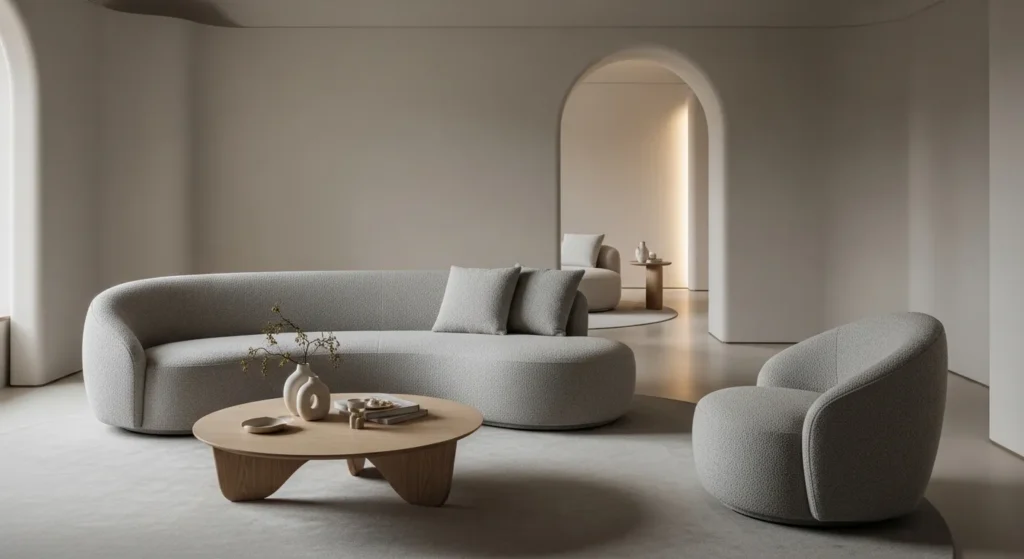
While clean lines are important, introducing curved furniture helps to soften the overall look and improves the flow of the room. A curved sofa or a round coffee table breaks up the rigidity of straight lines and rectangular shapes. These organic forms mimic patterns found in nature, contributing to a more relaxing environment.
Curved furniture also improves movement within the room, allowing for easier navigation around pieces. It adds a layer of sophistication and modern flair while maintaining the minimalist ethos. Balancing straight architectural lines with curved furnishings creates a harmonious dynamic that is visually pleasing.
Shoji Screen Dividers
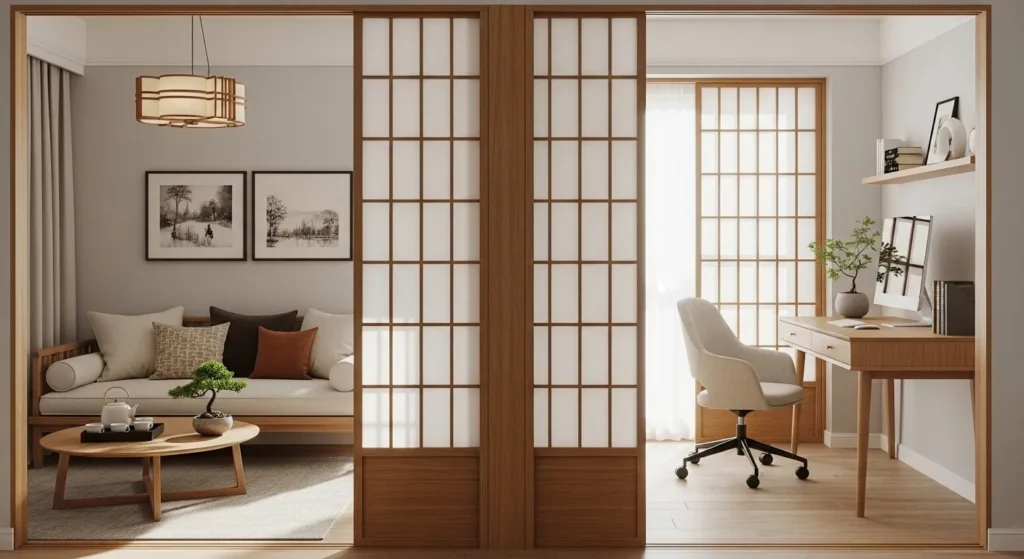
Shoji screens are a classic Japanese element that adds both function and style to a living room. They are perfect for zoning open-plan spaces without blocking light, thanks to their translucent paper panels. The geometric grid pattern of the wood frame adds a subtle decorative element that aligns with the linear aspects of the design style.
You can use a screen to hide a workspace, separate the entryway, or simply as a decorative backdrop behind a sofa. They are lightweight and versatile, allowing you to change the layout of your room easily. Incorporating a screen is a practical way to add cultural depth to your japandi living room ideas.
Raw Concrete Accents
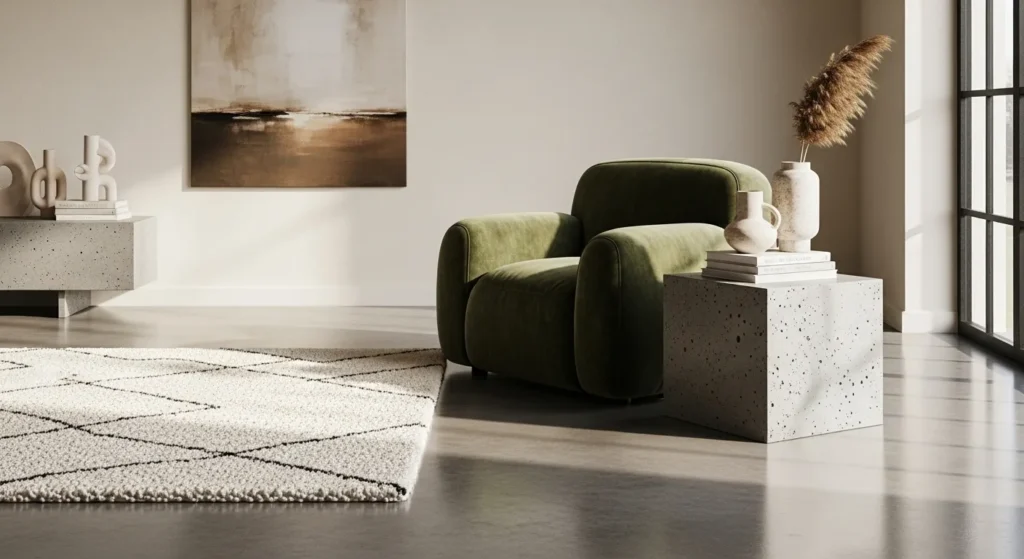
Concrete adds a raw, imperfect element that speaks to the wabi-sabi philosophy of finding beauty in imperfection. When polished or used in small doses, such as a side table or a planter, it provides a cool contrast to the warm woods typically found in these interiors. The grey tone of concrete fits perfectly within the neutral color scheme.
To keep the room from feeling too industrial, always pair concrete with soft textiles and warm lighting. The juxtaposition of the hard, cold stone against soft wool or linen creates a balanced environment. This mix of materials is what gives the design its unique character and depth.
Natural Fiber Rugs
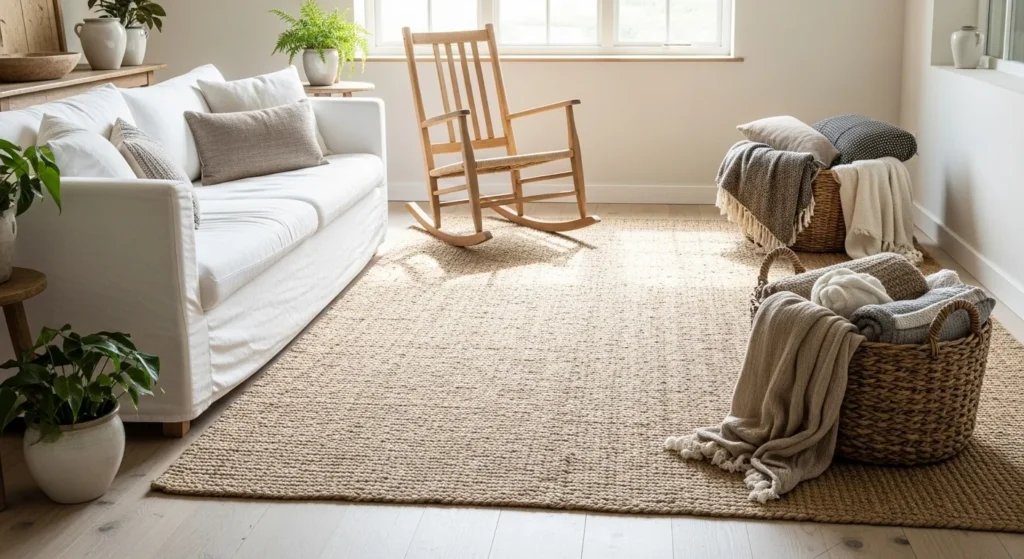
Grounding your space with a rug made from natural fibers like jute, sisal, or hemp adds immediate warmth and texture. These materials are durable and sustainable, aligning with the eco-friendly values often associated with this design style. The natural tan and beige colors of these rugs complement wood flooring and neutral furniture perfectly.
A large area rug also helps to define the seating area in an open room. It provides a layer of insulation and softness underfoot, which is essential for the Scandinavian concept of comfort. Choosing a rug with a simple weave pattern ensures it adds interest without competing with other elements in the room.
Black Contrast Details
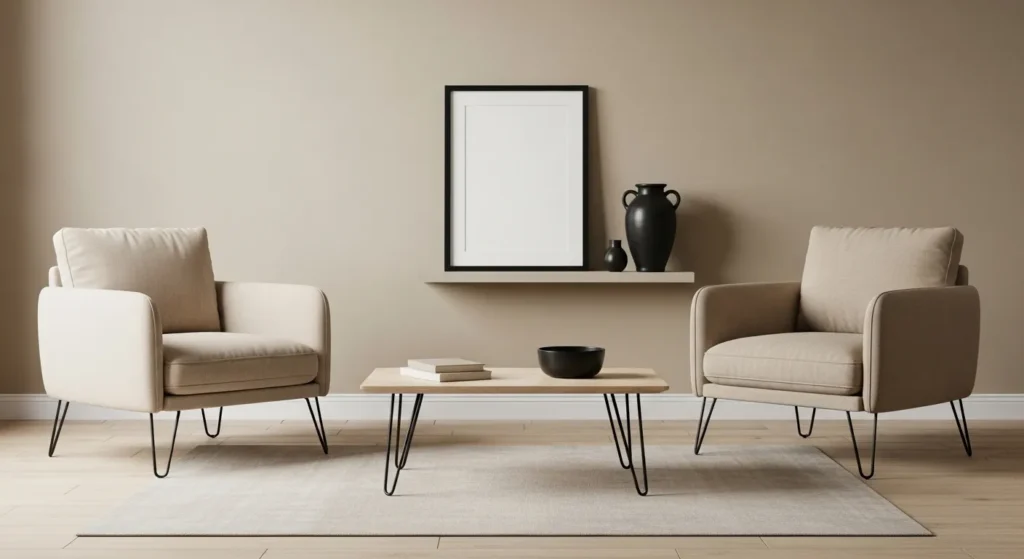
While the base of the design is light and airy, adding small touches of black creates a necessary visual anchor. Black hardware, lamp bases, or picture frames act as punctuation marks in a sentence, defining the space and drawing the eye to specific areas. This contrast prevents the room from looking washed out.
Use black sparingly to maintain the serene atmosphere. A thin black metal frame on a chair or a matte black faucet is often enough to achieve the desired effect. This technique of high contrast is a simple yet powerful way to elevate your japandi living room ideas.
Minimalist Open Shelving
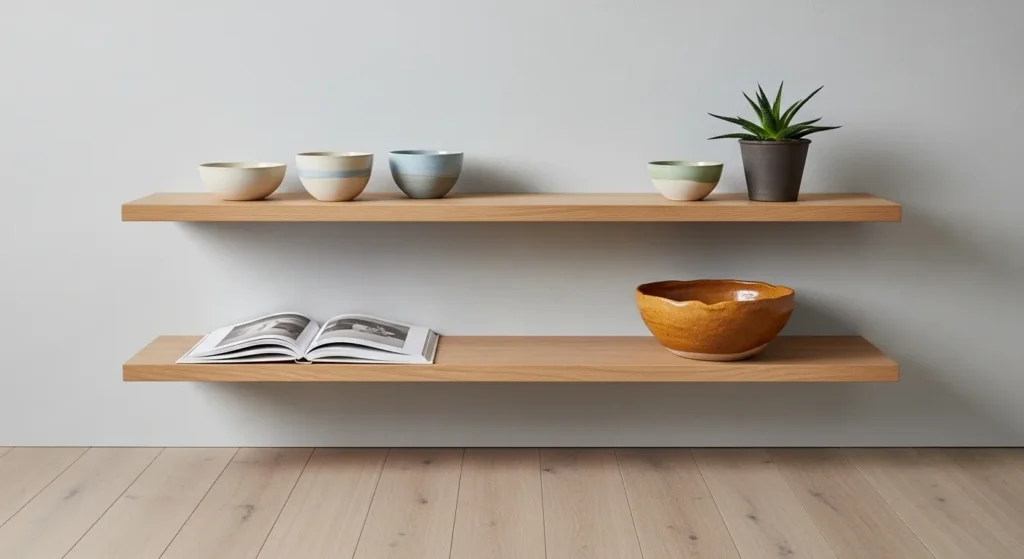
Open shelving encourages a clutter-free lifestyle because everything on display must be intentional. In this style, shelves are not for storage but for curating a collection of meaningful objects. Keeping the shelves mostly empty highlights the beauty of the few items you choose to display, reinforcing the concept of negative space.
Choose shelves made of natural wood that match your other furniture to create a seamless look. Arrange items in small groups with plenty of breathing room between them. This disciplined approach to decoration keeps the living room feeling organized and peaceful.
Linen Curtains and Textiles
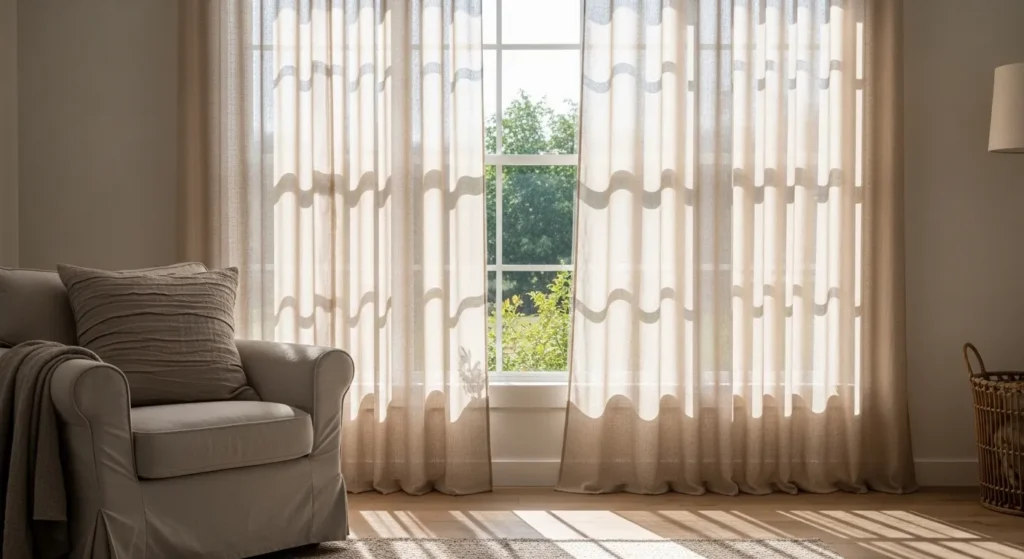
Linen is the ideal fabric for this aesthetic because of its natural, slightly wrinkled texture and breathability. Using sheer linen curtains allows natural light to flood the room while providing privacy. The way linen filters light creates a soft, hazy quality that enhances the serene mood of the space.
Beyond curtains, linen throw pillows and upholstery add a casual elegance to the room. The fabric feels organic and comfortable, inviting you to relax. Its matte finish and natural color variations add subtle depth to the decor without the need for patterns.
Stone Coffee Tables
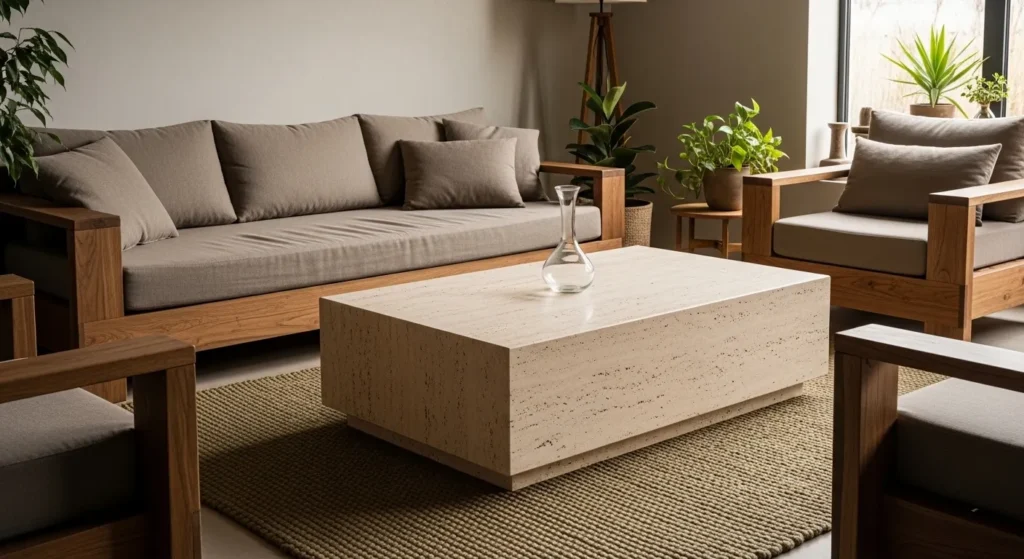
Incorporating a stone coffee table introduces an earth element that feels permanent and grounding. Materials like travertine, marble, or limestone offer natural patterns and variations that serve as art in themselves. The weight of the stone contrasts beautifully with lighter wood and fabric elements.
A stone table is also highly durable and functional, fitting the practical side of the design philosophy. Whether you choose a polished finish or a raw, honed look, a stone centerpiece anchors the seating arrangement. It brings a touch of nature’s history into your modern living space.
Abstract and Minimalist Art
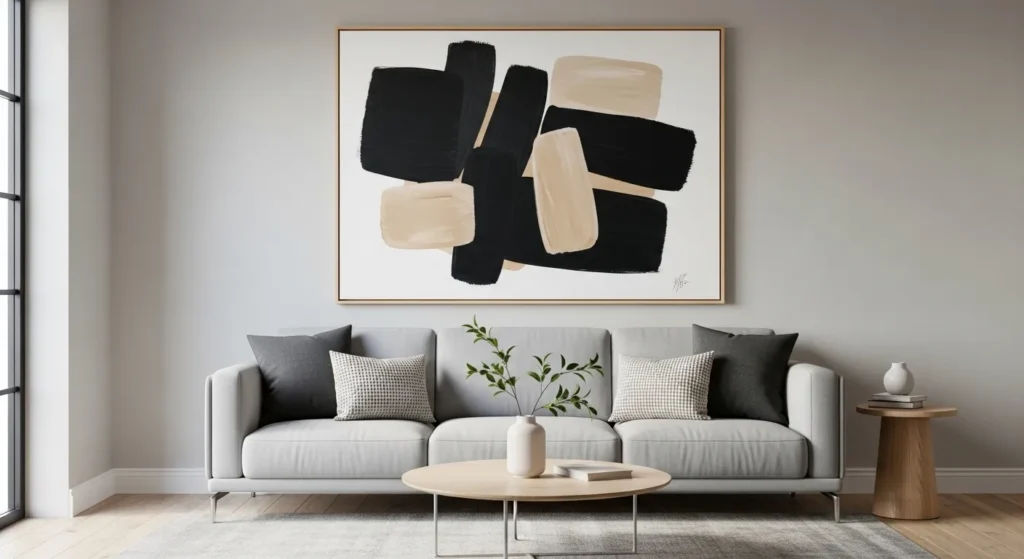
Art in a Japandi room should complement the space rather than dominate it. Abstract pieces with simple forms and a limited color palette work best. The goal is to evoke a feeling or a mood rather than to depict a specific scene. Large-scale pieces often work better than gallery walls, which can feel cluttered.
Choose artwork that incorporates the colors already present in your room to create harmony. Textured art, such as plaster on canvas or fabric wall hangings, can also add dimension. This subtle approach to decoration ensures the walls feel finished but not busy, a key factor in japandi living room ideas.
Rattan and Wicker Accents
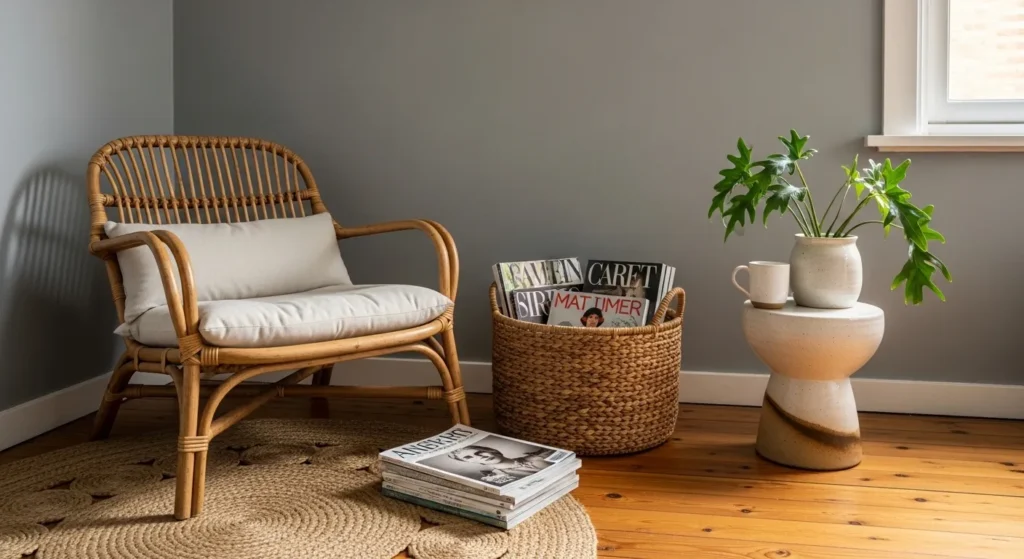
Rattan and wicker bring a handcrafted, organic feel to the living room. These materials are lightweight and allow light to pass through them, keeping the space feeling open. They add a different type of wood tone and texture that complements solid timber furniture.
A rattan chair or a wicker pendant light adds a casual, relaxed vibe that prevents the minimalism from feeling too stiff. These elements are inherently warm and nostalgic, contributing to the cozy Scandinavian influence. Use them as accent pieces to add character and warmth.
Dark Walnut Wood Tones
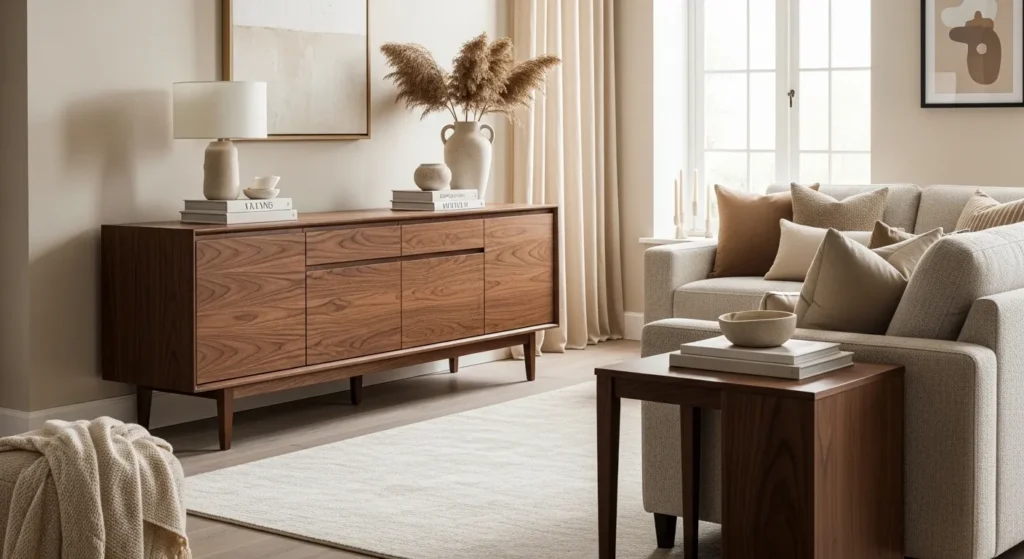
While light oak is common, darker woods like walnut are increasingly popular in this design style for their richness and sophistication. Dark wood provides a stunning contrast against pale walls and neutral fabrics. It adds a sense of maturity and history to the space.
Using dark wood helps to ground the room and can make large spaces feel more intimate. Ensure the lines of the dark furniture remain simple and unadorned to fit the aesthetic. This deeper tone adds a layer of luxury to the otherwise simple decor.
Floor Cushions and Low Seating
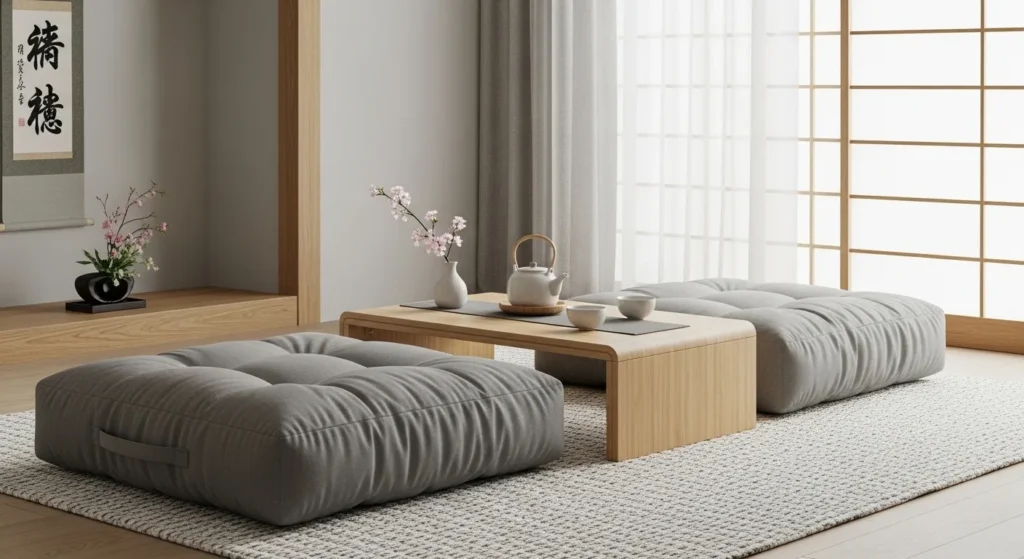
Floor cushions are a direct nod to the Japanese custom of sitting on the floor. They offer flexible seating options that can be moved around easily. This casual approach to seating encourages a relaxed atmosphere where guests feel at home.
Choose cushions in durable, natural fabrics that match your color scheme. They can be stacked when not in use or arranged around a low coffee table for a game night. This versatile seating solution is practical for small spaces and adds a unique cultural touch to your home.
Open Space Layouts
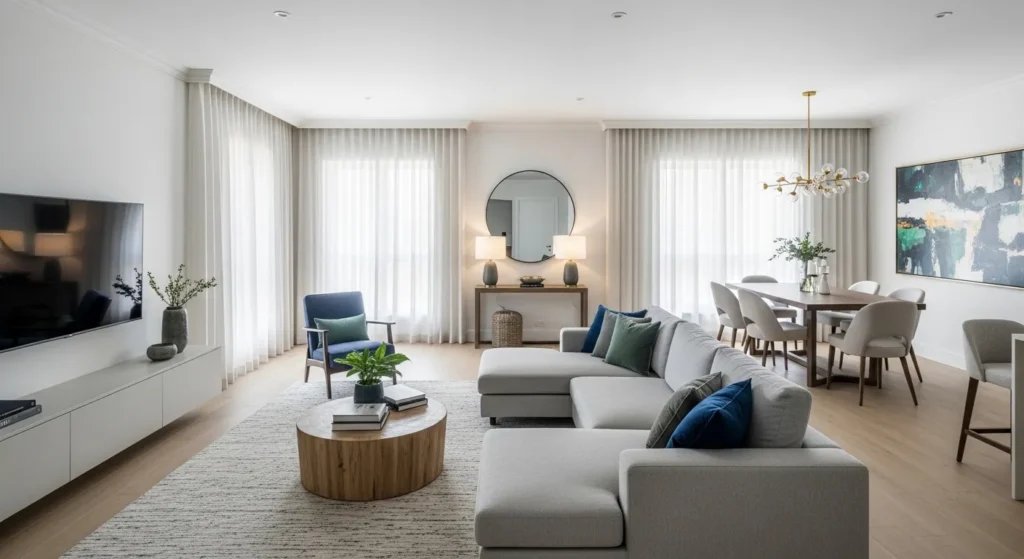
The flow of energy, or “chi,” is important in Japanese design, and open layouts facilitate this beautifully. Keeping the living room open and free of unnecessary obstructions allows light and air to circulate freely. This layout fosters a sense of freedom and connection between different areas of the home.
To make an open layout work, use rugs and lighting to define different zones without building walls. Keep pathways clear and avoid overcrowding the room with too much furniture. This emphasis on space and flow is the foundation upon which all other japandi living room ideas are built.
Conclusion
Embracing the fusion of Japanese and Scandinavian design principles allows you to create a living room that is not only visually stunning but also mentally restorative. By focusing on natural materials, neutral colors, and functional simplicity, you can craft a space that stands the test of time. Whether you incorporate just a few of these elements or overhaul your entire room, these ideas will help you achieve that perfect serene minimalist balance.