
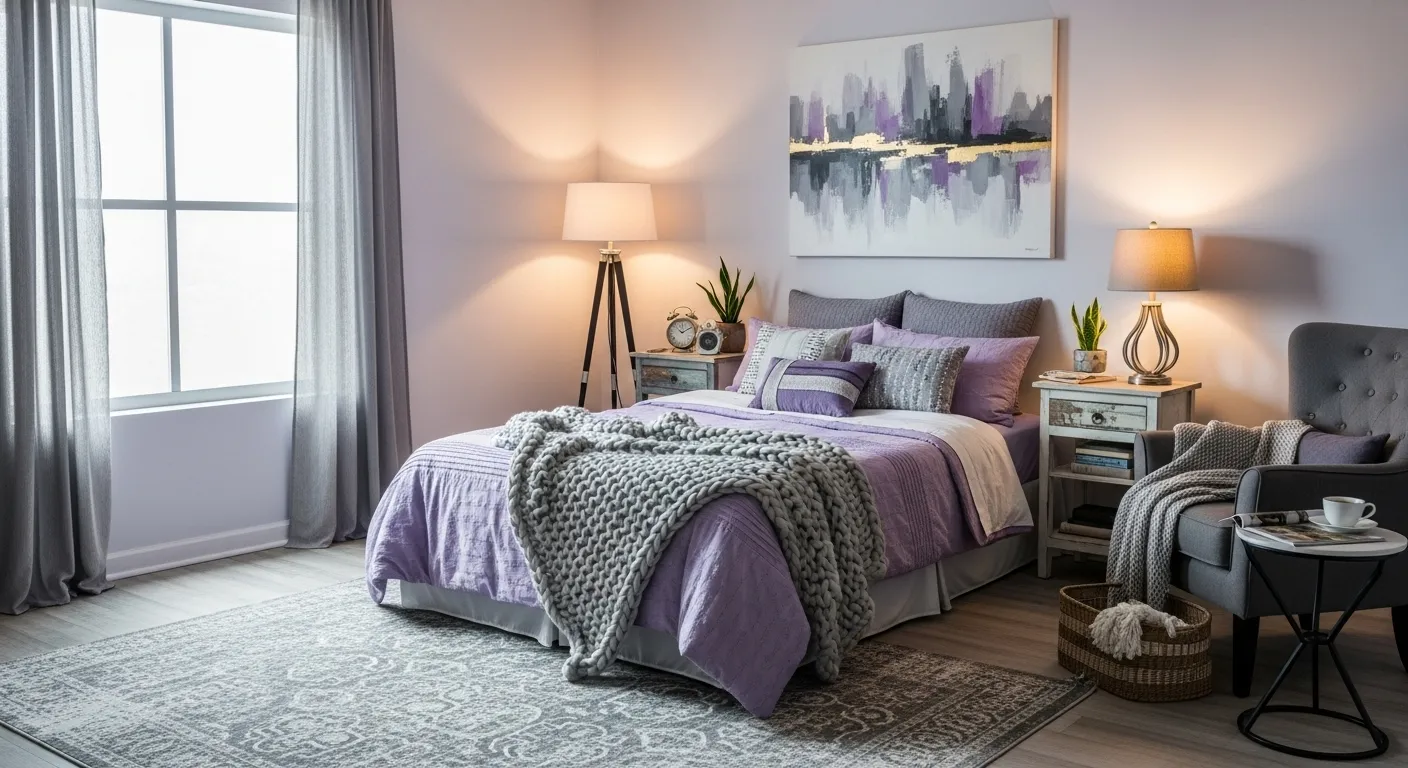
Creating a sanctuary that feels restful and functional begins with understanding how to arrange your space effectively. Whether you are working with a small apartment room or a sprawling master suite, finding the right furniture placement can dramatically change the atmosphere of your home. In this guide, we explore twenty-one specific bedroom layout design ideas that prioritize flow and balance to help you get the best night of sleep possible while maintaining a stylish aesthetic.
The Classic Centered Symmetry

Placing your bed in the exact center of the longest wall is one of the most reliable bedroom layout design ideas for creating a sense of calm. This arrangement naturally draws the eye to the bed as the focal point and allows for equal walking space on either side. It is the standard for a reason because it promotes a feeling of stability and order which is essential for a relaxing sleep environment.
To make this layout work best, ensure you have matching nightstands and lamps to reinforce the symmetrical look. This setup works particularly well in square or rectangular rooms where you want to maximize the feeling of width. By keeping the pathways clear on both sides of the mattress, you ensure that two people can use the room comfortably without getting in each other’s way.
The Corner Tuck for Small Spaces
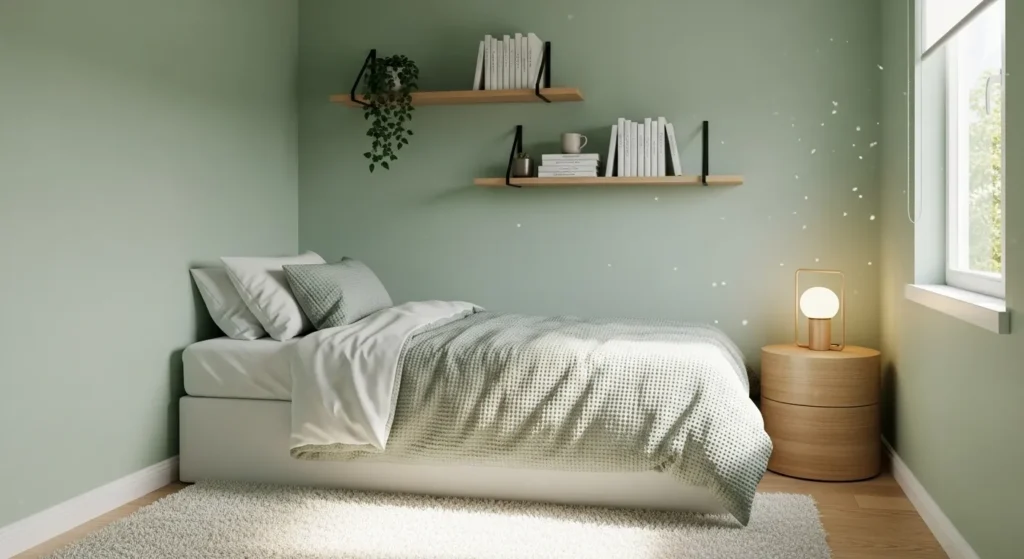
When you are dealing with limited square footage, pushing the bed into a corner can be a smart move to open up the rest of the floor. This technique creates a cozy sleeping nook and frees up valuable central space for other necessities like a desk or a dresser. It is one of the most practical bedroom layout design ideas for guest rooms, children’s rooms, or studio apartments where every inch counts.
While this layout sacrifices the ability to access the bed from both sides, the trade-off is often worth it for the extra functionality it provides. You can use plush pillows along the wall to create a daybed effect, making the bed serve as a sofa during the day. This approach helps the room feel larger and more versatile rather than cramped and cluttered.
Floating the Bed for Openness
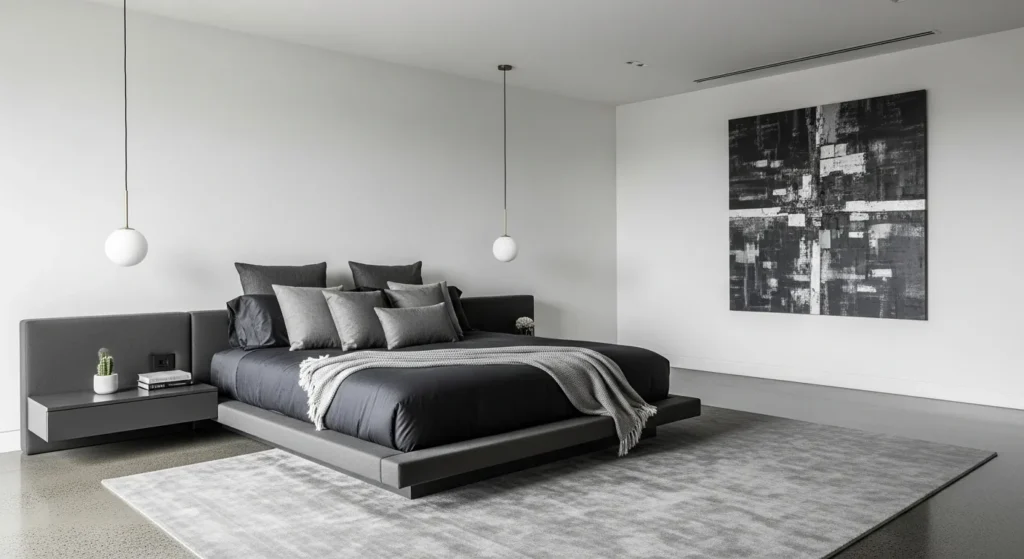
Floating the bed away from the walls is a bold choice that can make a large room feel luxurious and airy. By positioning the headboard toward the center of the room or anchoring it with a rug rather than a wall, you create a unique circulation path that flows around the entire sleeping area. This is one of the more unconventional bedroom layout design ideas that works perfectly in spacious master suites or lofts.
This layout often requires a sturdy headboard or a console table placed behind the bed to ground the furniture visually. It allows you to enjoy views from windows that might otherwise be blocked and gives the space a hotel-like quality. If you have a large room that feels empty with furniture pushed to the edges, this arrangement brings the focus inward and makes the space feel more intimate.


Bed Facing the Window
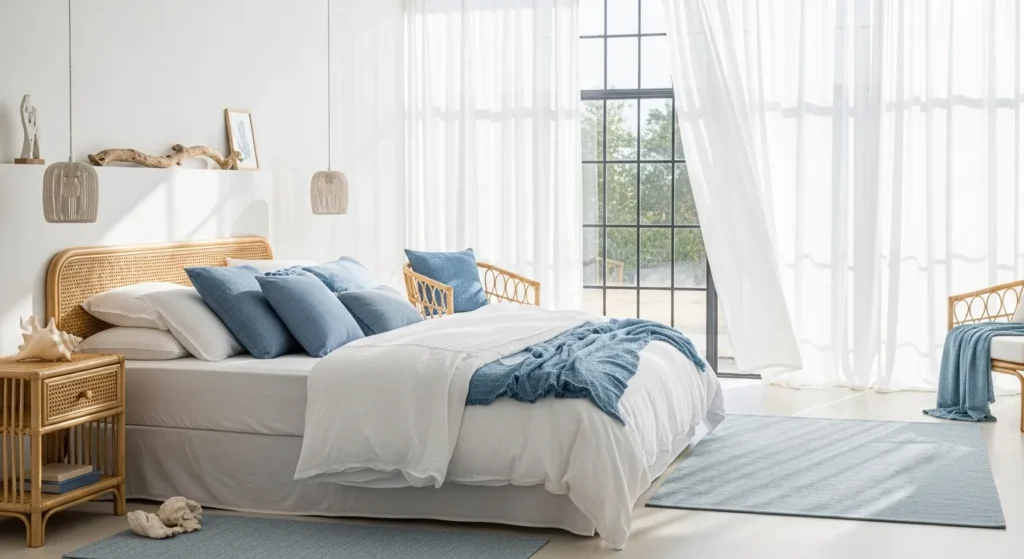
Orienting your bed so that you face the window allows you to wake up to natural light and a view of the outdoors. This layout prioritizes the experience of waking up and connects your interior space with the exterior environment. Among various bedroom layout design ideas, this one is particularly effective if you have a scenic view or a garden that you want to enjoy from the comfort of your covers.
To make this layout successful, you need to consider the height of your headboard to ensure it does not block the flow of light if the bed is not against a solid wall. If the bed is on an opposite wall facing the window, ensure you have good curtains to manage privacy and light levels. This setup creates a refreshing energy in the room that encourages a positive start to the day.
The Foot-of-Bed Bench Layout
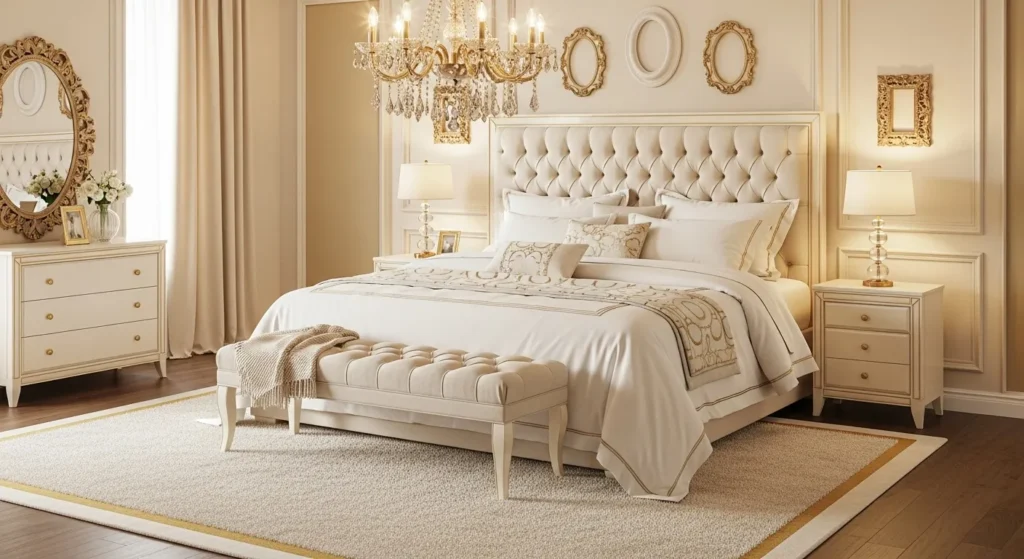
Adding a bench or a pair of ottomans at the foot of the bed adds a layer of sophistication and practicality to your room. This layout extends the visual length of the bed and provides a convenient spot to sit while putting on shoes or laying out clothes for the next day. It is a simple addition that elevates standard bedroom layout design ideas into something that feels more curated and finished.
This arrangement works best when there is ample space between the foot of the bed and the opposite wall or dresser. The seating acts as a visual bridge between the sleeping area and the rest of the room. It also offers an opportunity to introduce a new texture or color through upholstery, enhancing the overall decor scheme without overwhelming the space.
Desk Beside the Bed
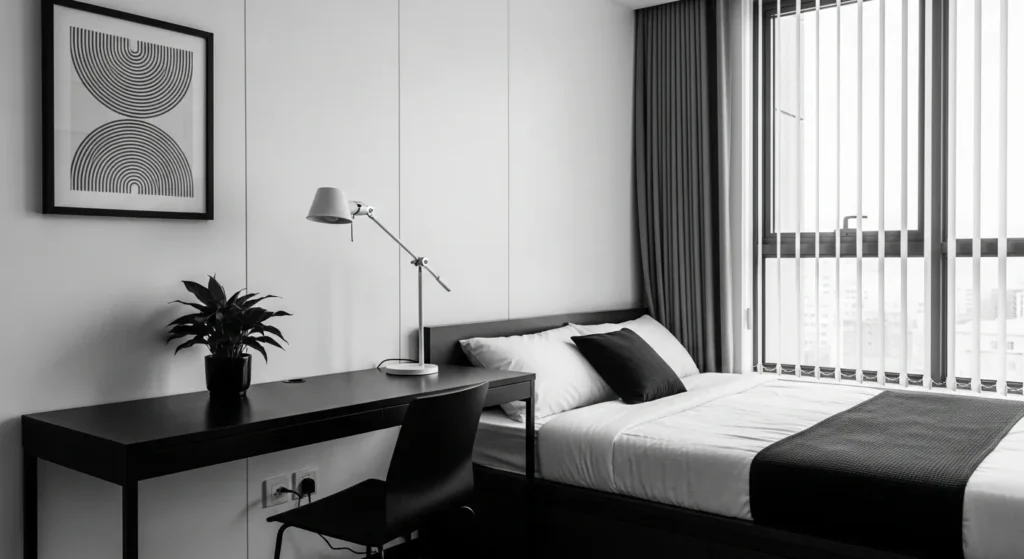
In modern homes where space is at a premium, swapping a traditional nightstand for a small desk is a brilliant functional shift. This creates a dedicated workspace without requiring a separate home office, blending productivity with rest in a balanced way. This is one of the most efficient bedroom layout design ideas for students or professionals living in shared houses or small apartments.
The key to this layout is keeping the desk surface uncluttered so it does not disturb the peaceful vibe of the bedroom. Choose a chair that can tuck fully under the desk to keep the walkways clear. By using a lamp that serves as both a work light and a bedside reading light, you maintain functionality while keeping the design cohesive and streamlined.


The Room Divider Strategy
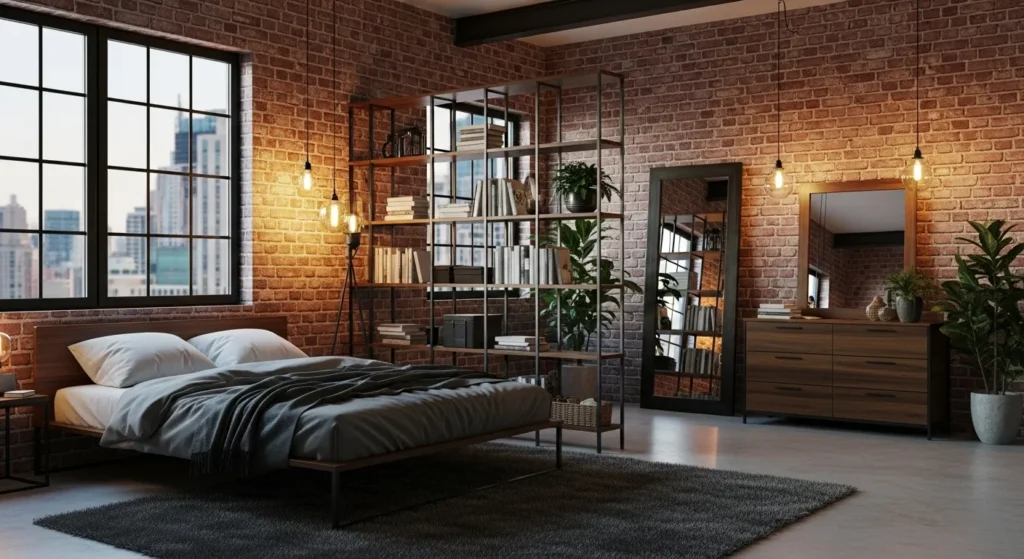
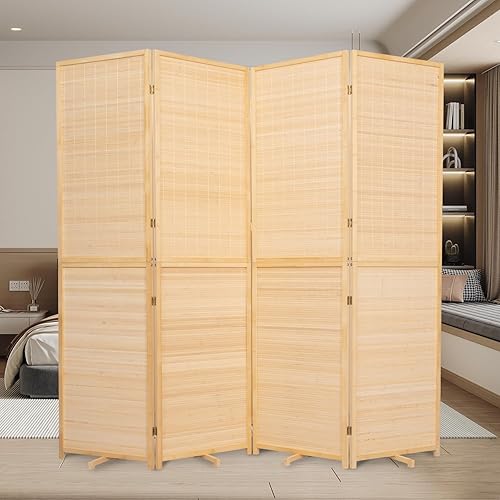
Using a piece of furniture like a bookshelf or a folding screen to divide the room can create distinct zones for sleeping and dressing. This layout is essential for large, open-concept spaces where you want to create a sense of privacy and containment for the bed. It transforms a single large area into a multi-functional suite, which is one of the most creative bedroom layout design ideas for studio living.
The divider acts as a pseudo-wall, allowing you to place the headboard against it or use it to shield the bed from the entryway. This helps in reducing visual noise from other parts of the room, promoting better sleep hygiene. It also adds vertical interest and extra storage space, making the room feel structured and intentional.
Dual Dressers for Balance
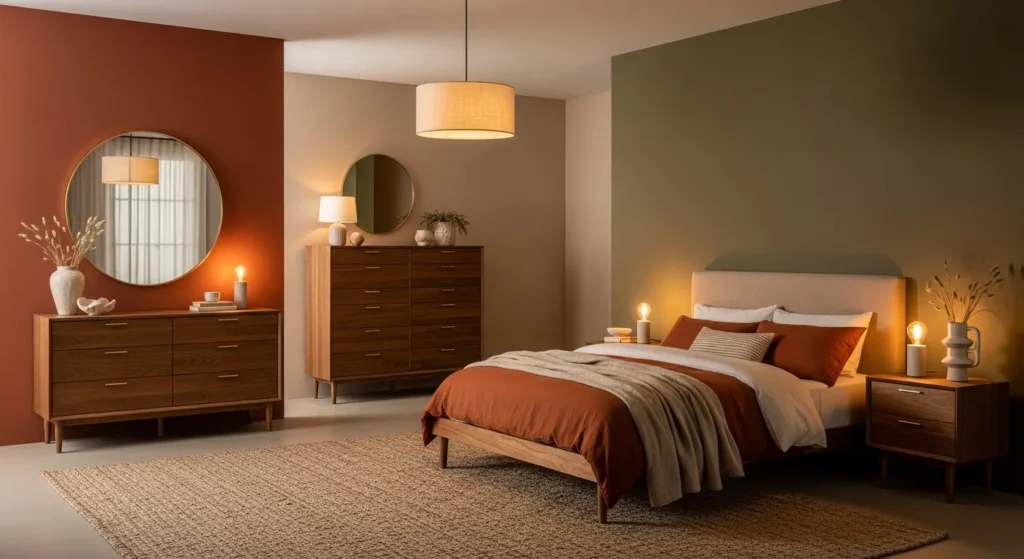
If your room is wide enough, placing two dressers on opposite sides or flanking a central feature can create a satisfying sense of balance. This layout ensures that storage is distributed evenly, preventing one side of the room from feeling heavy or cluttered. It is one of the bedroom layout design ideas that caters to couples who need separate storage spaces while maintaining a harmonious look.
This arrangement encourages a clutter-free environment because everything has a designated place. You can style the tops of the dressers with matching mirrors or artwork to reinforce the symmetry. This flow allows for easy movement throughout the room and keeps the focus on the bed as the central sanctuary.
The Alcove Snug
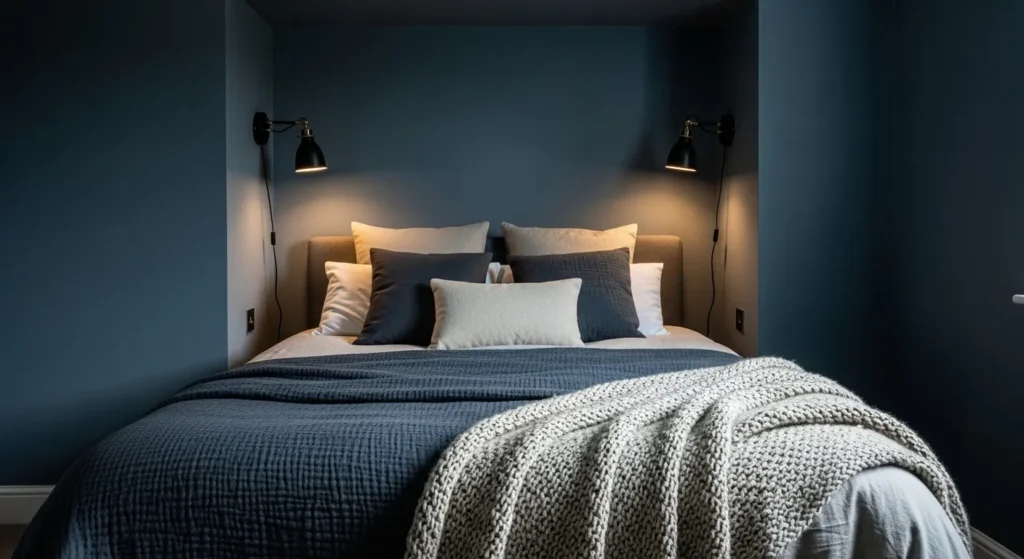
Placing the bed inside a natural alcove or a niche creates an incredibly cozy and protected feeling. This layout embraces the architectural quirks of a room rather than fighting against them. It is one of the most charming bedroom layout design ideas for older homes or attics that have irregular shapes and nooks.
By tucking the bed away, you open up the main floor area for other activities like dressing or reading. You can enhance the alcove with built-in shelves or reading lights to make it a self-contained sleeping pod. This design choice turns a potentially awkward structural feature into the highlight of the room.


Diagonal Bed Placement
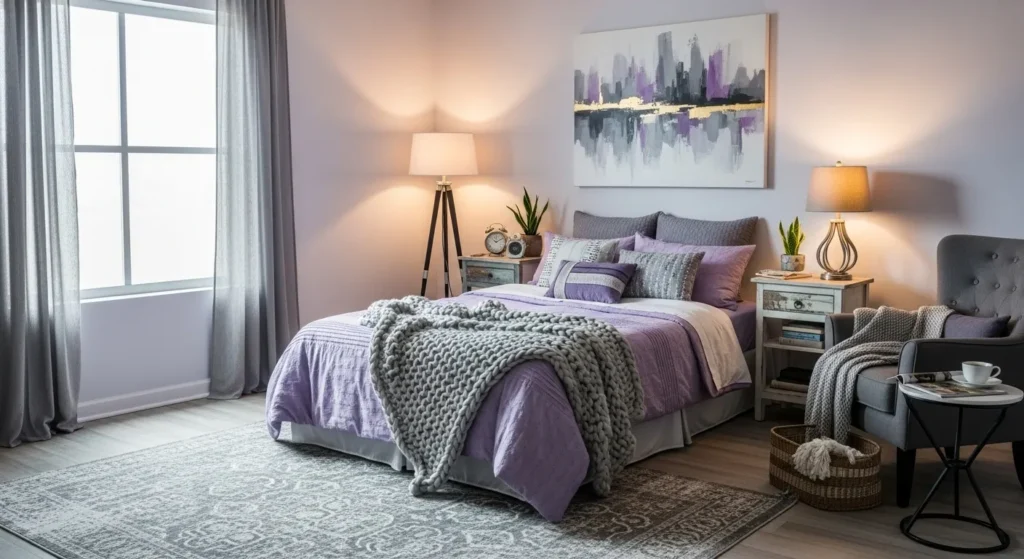
Positioning the bed diagonally across a corner is a dynamic way to break up the boxy feel of a square room. This layout directs the eye toward the center of the room and can make a small space feel surprisingly larger by changing the perspective. While it creates some dead space behind the headboard, this is one of the bedroom layout design ideas that adds instant drama and visual interest.
You can utilize the triangular space behind the bed for a floor lamp, a tall plant, or hidden storage. This arrangement works well when wall space is interrupted by too many doors or windows, leaving you with few options for a traditional placement. It creates a unique flow that feels custom and thoughtful rather than standard.
The Window Seat Integration
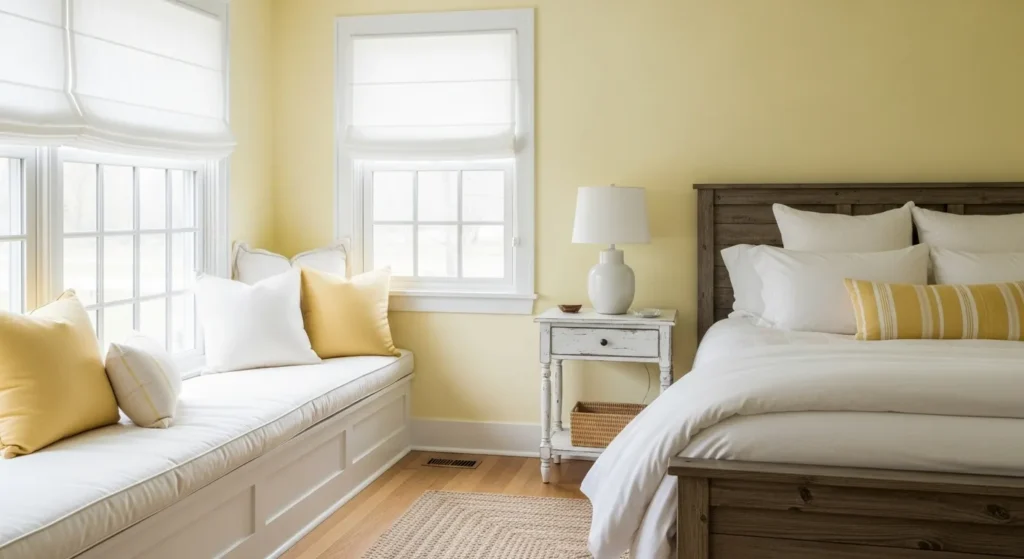
Integrating a window seat into your layout provides a lovely spot for relaxation that connects the bed to the window area. Whether it is a built-in bench or a standalone piece of furniture, a window seat invites you to pause and enjoy the natural light. This is one of the most inviting bedroom layout design ideas for creating a reading nook or a quiet corner for morning coffee.
This layout works best when the bed is positioned adjacent to the window wall, creating a continuous line of comfort. It adds value to the room by increasing the seating options without taking up floor space in the main traffic areas. The storage potential inside a bench seat also helps keep the bedroom tidy and organized.
Headboard Against the Window
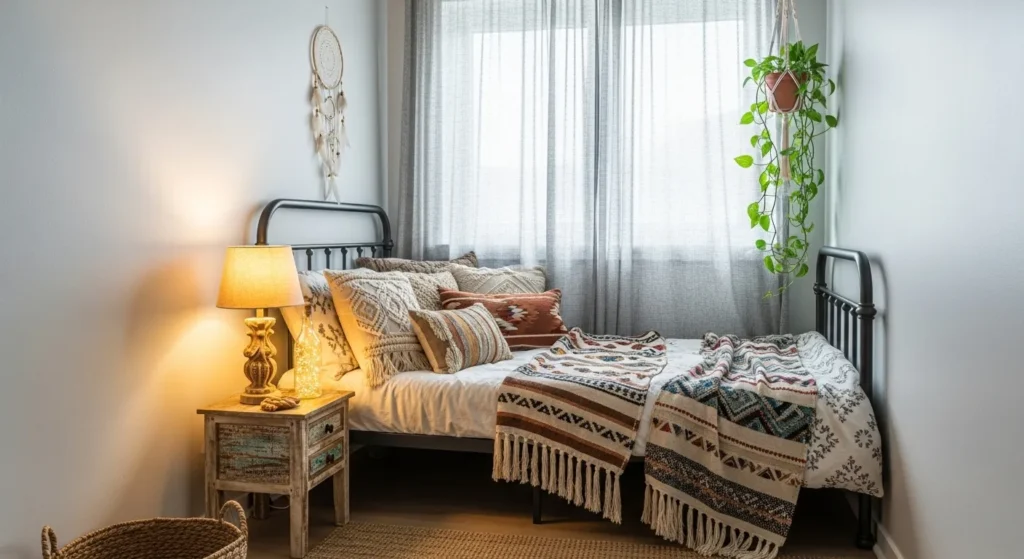
Sometimes the only wall long enough for a bed is the one with the window, and embracing this can result in a beautiful focal point. Placing the headboard directly in front of the window frames the bed with natural light and drapery. This is one of the necessary bedroom layout design ideas for rooms with limited solid wall space or awkward door placements.
To make this look intentional, use curtains that extend beyond the width of the window to create a dramatic backdrop. Ensure the headboard is low enough to let light in or choose an open frame design that does not block the view completely. This layout often frees up the solid walls for taller furniture like wardrobes or dressers.
The Walk-In Wardrobe Flow
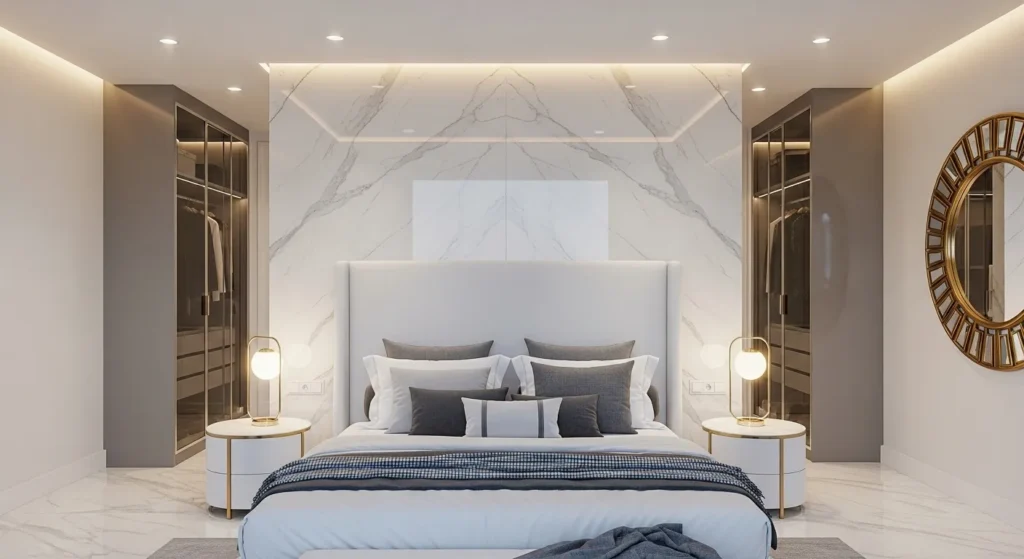
Creating a false wall or using a tall headboard to partition the room can generate a walk-in wardrobe effect behind the bed. This layout zones the room effectively, keeping the mess of clothes and shoes out of sight from the sleeping area. It is one of the most aspirational bedroom layout design ideas for those who want a master suite feel without a separate room.
This design requires a bit more depth in the room but offers a huge payoff in terms of organization and luxury. The partition acts as a headboard on one side and a closet system on the other. It streamlines the morning routine by keeping dressing and sleeping zones distinct yet connected.
Opposite the Fireplace
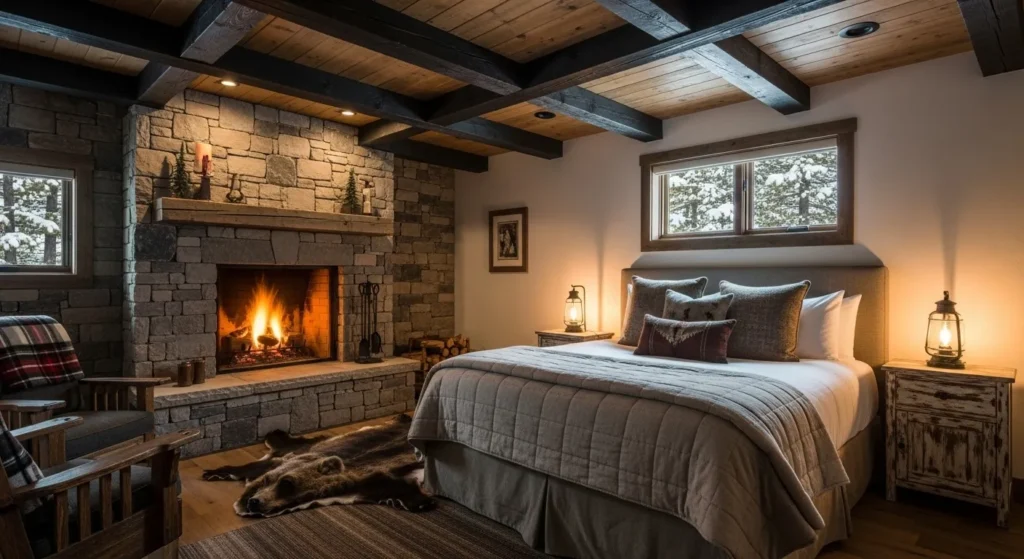
If your bedroom is lucky enough to have a fireplace, positioning the bed to face it creates an unbeatable cozy atmosphere. This layout makes the fireplace the secondary focal point and ensures you can enjoy the warmth and view while in bed. It is one of the most romantic bedroom layout design ideas that instantly adds character and charm.
Ensure there is enough distance between the foot of the bed and the hearth for safety and visual balance. You can place a small rug or two armchairs in front of the fireplace to bridge the gap. This arrangement anchors the room and dictates a warm, inviting style for the rest of the decor.
Twin Beds with Central Walkway
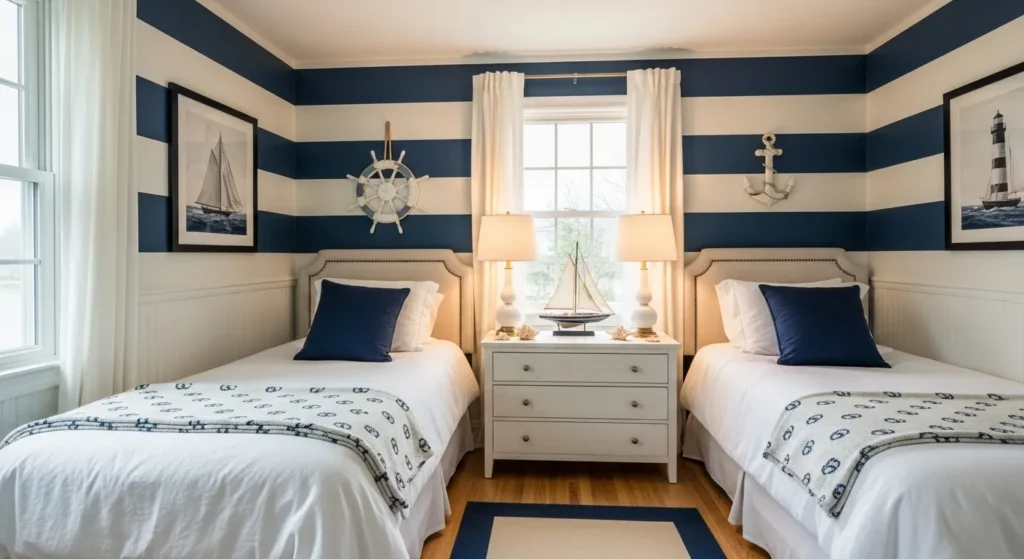
For guest rooms or shared children’s rooms, placing two twin beds with a shared nightstand in the middle is a classic and functional choice. This layout provides individual sleeping space while maintaining a symmetrical and organized look. It is one of the most enduring bedroom layout design ideas for maximizing occupancy without sacrificing style.
The central walkway created by the shared table allows for easy access to both beds. Using matching bedding and headboards unifies the space, making it look designed rather than thrown together. This setup leaves the outer walls free for other furniture or simply keeps the room feeling open and spacious.
Rug Zoning Layout
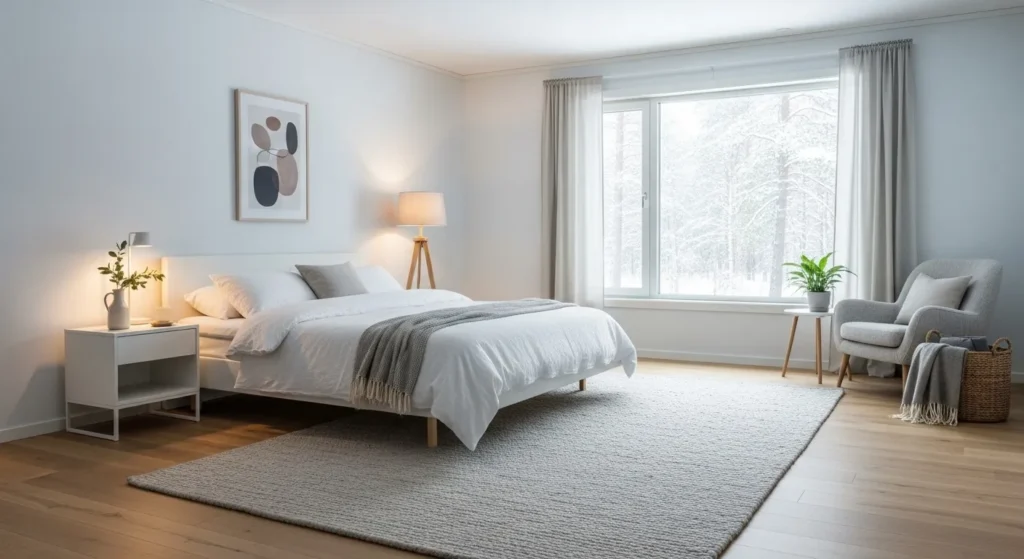
Using a large area rug to define the sleeping zone is a powerful way to improve the layout without moving walls. The rug should be large enough to sit under the bed and nightstands, extending out into the room to create a soft landing for your feet. This is one of the fundamental bedroom layout design ideas for grounding the furniture and adding texture.
The placement of the rug dictates the flow of the room and visually groups the bed and side tables as one cohesive unit. It helps to dampen sound, which is crucial for a restful environment. By choosing a rug that contrasts with the floor, you clearly delineate the sleeping area from the dressing or vanity areas.


The Reading Nook Corner
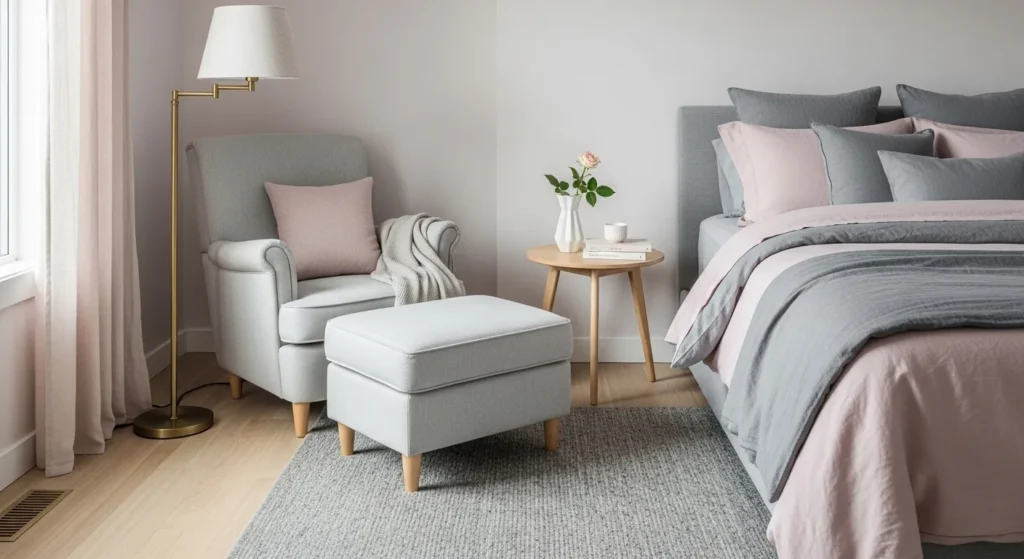
Dedicating a corner of the room to a comfortable chair and a good light creates a private retreat within your bedroom. This layout encourages relaxation that does not involve sleeping, giving you a place to unwind with a book or tea. It is one of the lifestyle-focused bedroom layout design ideas that transforms a room from just a place to sleep into a place to live.
Position the chair near a window or a lamp to ensure adequate lighting for reading. This addition balances the visual weight of the bed and fills empty corners that might otherwise look bare. It adds a layer of luxury and functionality that makes the bedroom feel like a complete suite.
Storage Bridge Over Bed
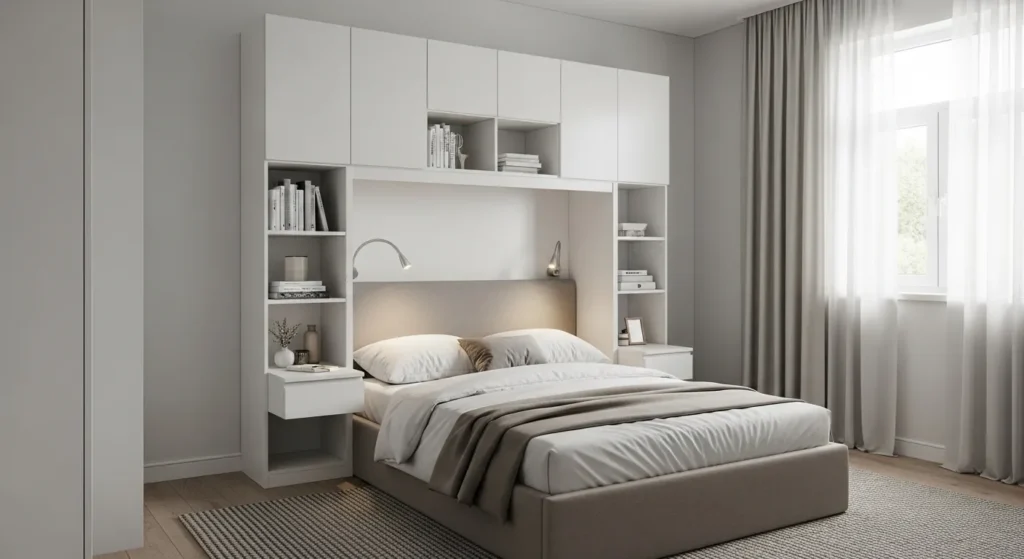
Building storage up and over the head of the bed is a brilliant way to maximize vertical space in small rooms. This layout frames the bed with cabinetry, creating a cozy niche while providing immense storage for clothes or books. It is one of the smartest bedroom layout design ideas for tight spaces where floor area is scarce.
This bridge effect can replace traditional nightstands with integrated shelves, further saving space. Painting the cabinets the same color as the walls helps them blend in and prevents the room from feeling closed in. This design is highly efficient and keeps clutter off the floor, promoting a restful vibe.
Asymmetrical Nightstand Arrangement
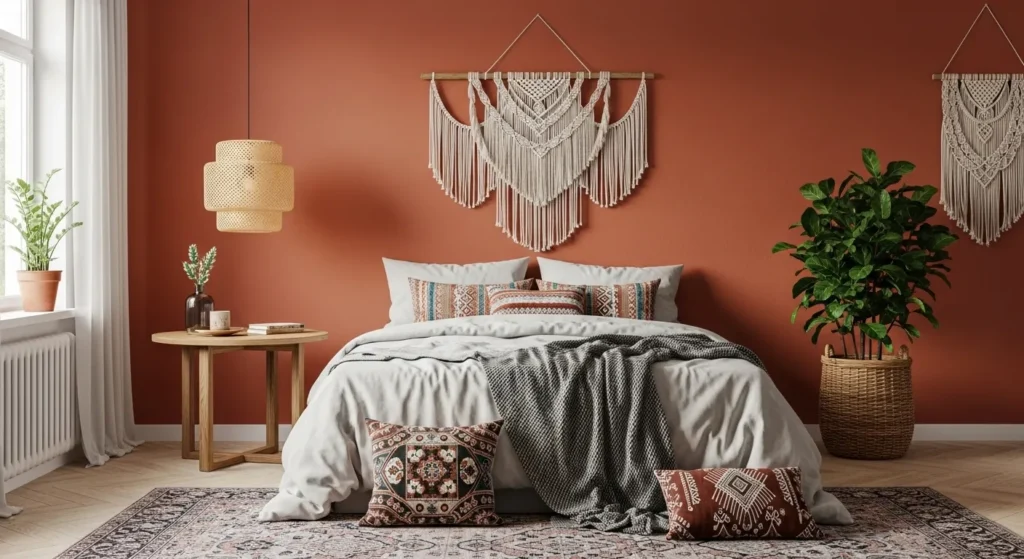
Breaking the rule of symmetry can add a relaxed and personalized feel to your bedroom. Using mismatched nightstands, such as a table on one side and a stack of books or a chair on the other, creates a casual and curated look. This is one of the more creative bedroom layout design ideas for those who prefer an eclectic or bohemian aesthetic.
Balance is still key here, so ensure the visual weight of the items on both sides is roughly equal even if the objects are different. You might use a floor lamp on one side and a table lamp on the other to even out the height. This approach allows you to use furniture you already love without feeling pressured to buy matching sets.
TV Concealment Layout
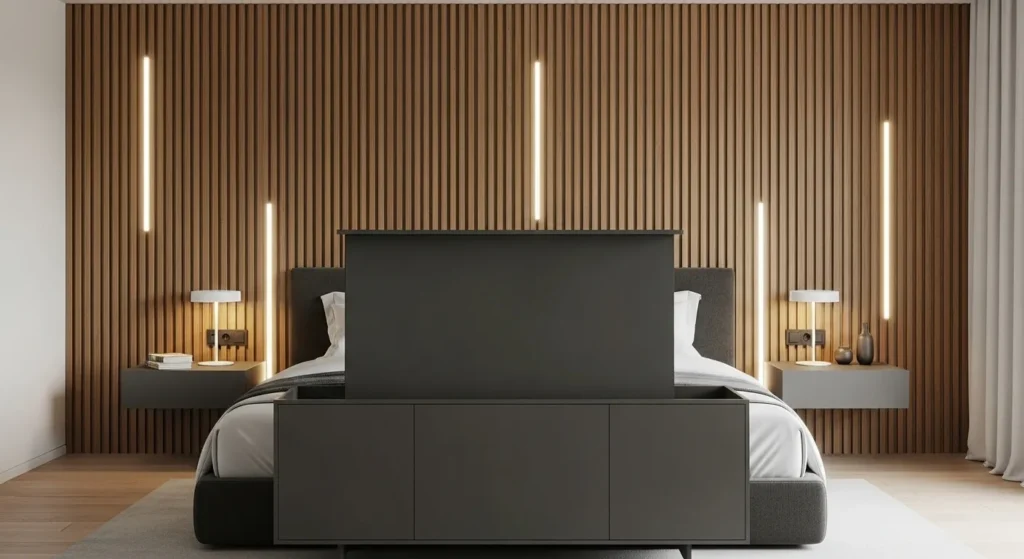
For those who enjoy watching TV in bed but dislike the look of a black screen dominating the room, a concealment layout is ideal. Placing a cabinet at the foot of the bed that houses a lift mechanism, or using a frame TV on the wall, keeps technology hidden when not in use. This is one of the modern bedroom layout design ideas that balances entertainment with aesthetics.
This layout keeps the focus on the decor and the bed during the day, maintaining a serene atmosphere. It prevents the television from becoming the focal point of the room, which is important for sleep hygiene. The cabinet at the foot of the bed also acts as a footboard, defining the sleeping zone clearly.
The Canopy Bed Centerpiece

Using a canopy or four-poster bed creates a room within a room, adding vertical volume and drama. This layout works exceptionally well in rooms with high ceilings, as it draws the eye upward and fills the vertical void. It is one of the most impactful bedroom layout design ideas for creating a statement and a sense of enclosure.
Because the bed frame is so substantial, it should be the undisputed star of the layout, with other furniture kept simple. This arrangement provides a feeling of protection and grandeur that is hard to replicate with standard furniture. It centers the room perfectly and offers a luxurious, resort-like sleeping experience.


Conclusion
Finding the perfect arrangement for your space is about more than just moving furniture; it is about creating a feeling of peace and functionality. By experimenting with these twenty-one bedroom layout design ideas, you can discover a configuration that maximizes your square footage and enhances your daily routine. Whether you choose a classic symmetrical look or a cozy corner setup, the right layout will improve the flow of your room and help you rest better every night.