
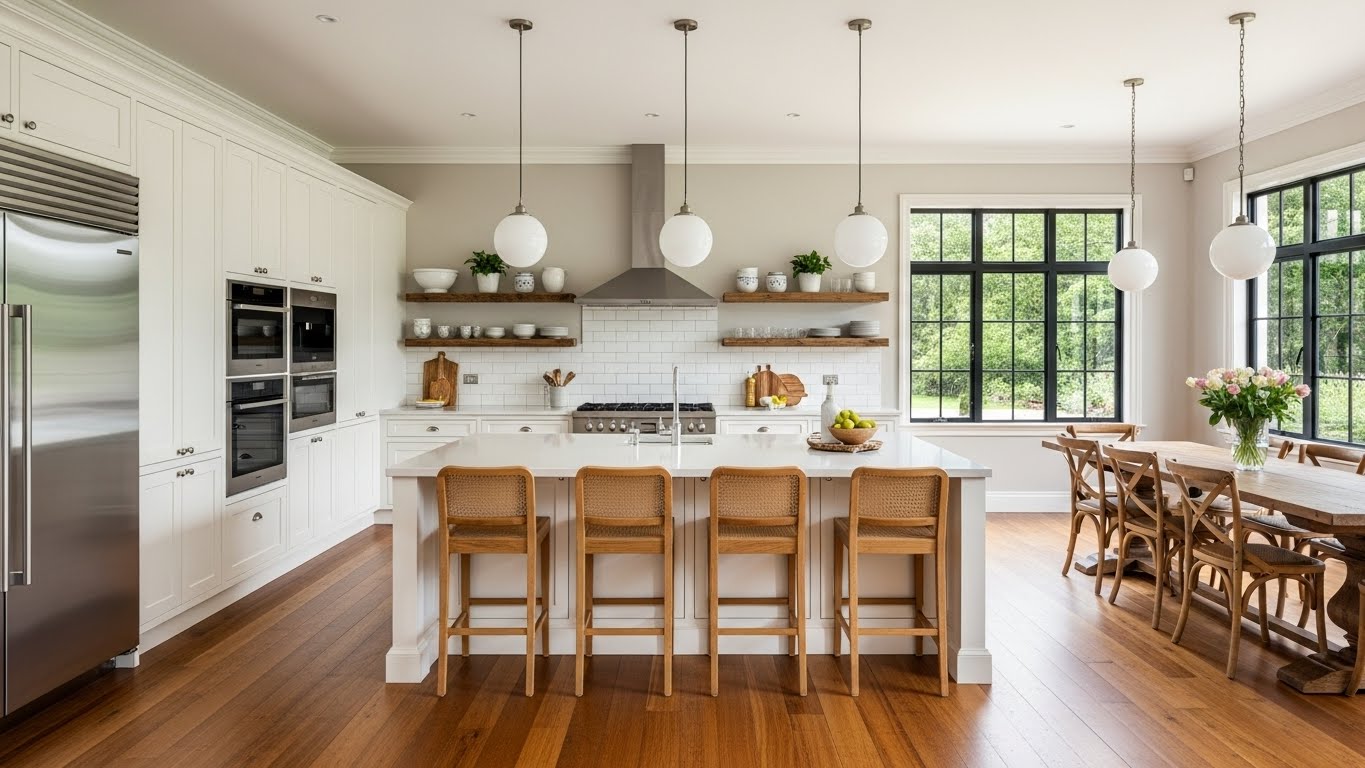
Creating a home that feels fresh for decades starts with choosing the right foundation, especially in the heart of the house. Timeless kitchen designs focus on classic materials, neutral colors, and functional layouts that withstand the passing of fleeting trends. By investing in enduring styles, you ensure your kitchen remains a welcoming and valuable space without the need for frequent and expensive renovations.
Classic White Shaker Cabinets
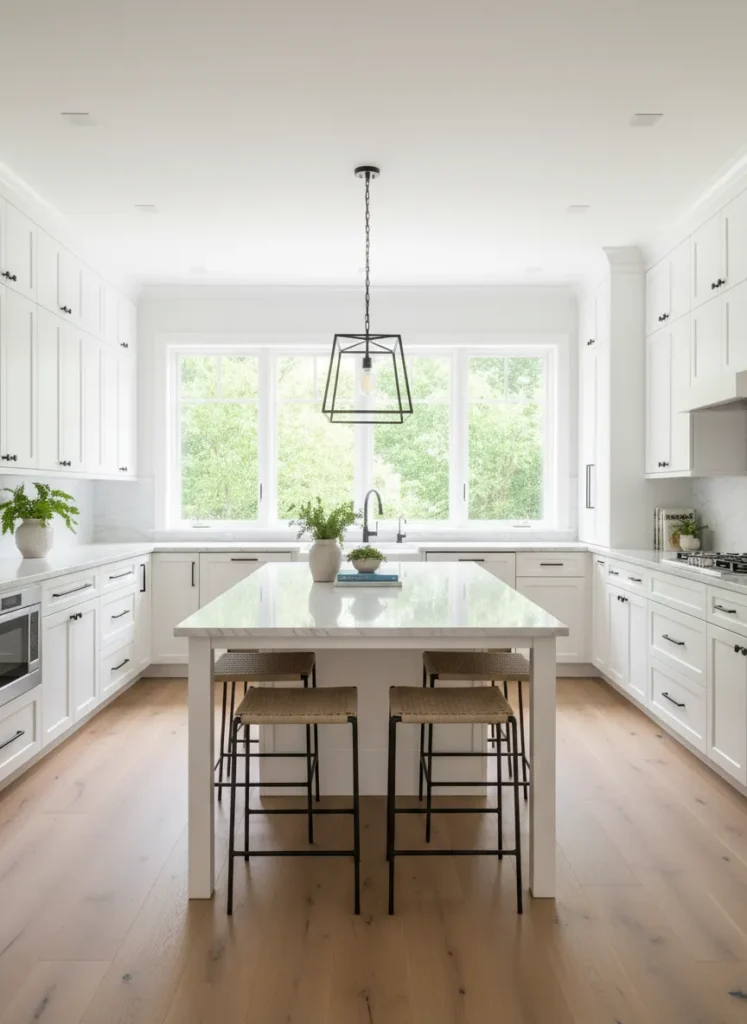
Shaker cabinets are arguably the most iconic element of enduring kitchen style. These cabinets feature a simple five-piece door with a recessed center panel, offering a look that is both clean and sophisticated without being overly ornate. They blend seamlessly with almost any interior design theme, from rustic farmhouse to modern minimalist.
The beauty of this design lies in its versatility and simplicity. Because the lines are un complication, they do not clutter the visual space, allowing other elements like backsplashes or lighting to shine. White shaker cabinets specifically help reflect light, making the kitchen feel larger and more inviting regardless of the actual square footage.
Subway Tile Backsplash
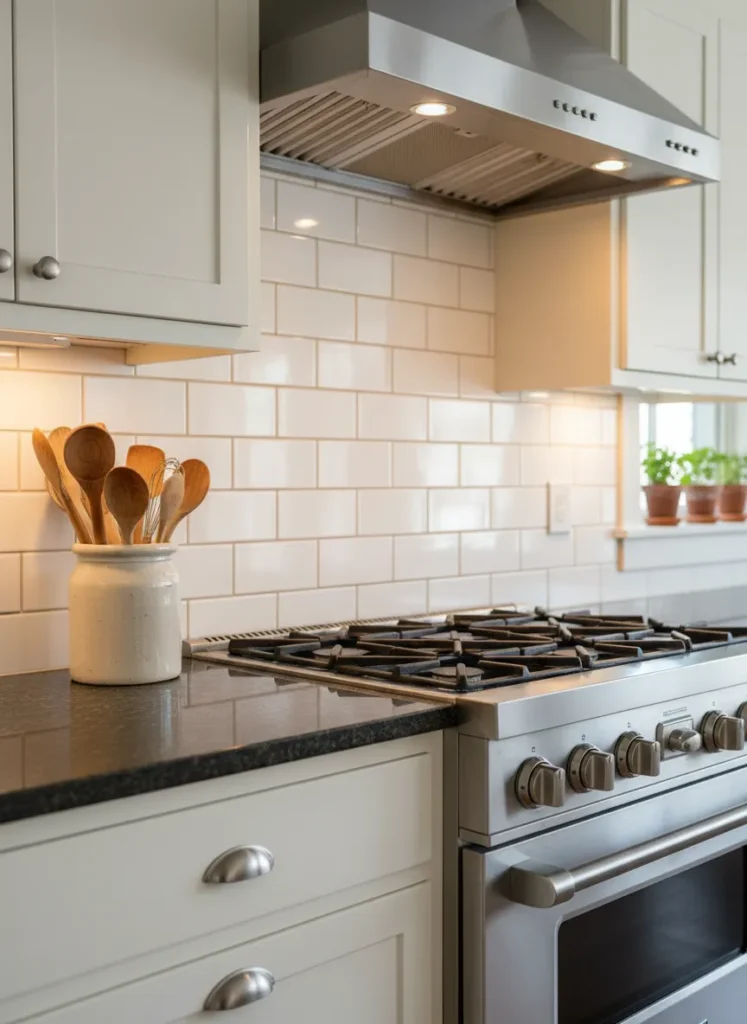
Subway tiles have been a staple in kitchen design since the early twentieth century. Their rectangular shape and brick-lay pattern provide a rhythmic, orderly look that feels clean and hygienic. The traditional white ceramic version is the safest bet for a look that will never feel out of place.
This backsplash option works well because it is subtle enough not to overpower the room but adds enough texture to prevent the walls from looking flat. It serves as a neutral backdrop that allows you to change your decor accessories or wall color without worrying about clashing with the permanent fixtures.
Farmhouse Apron Sinks
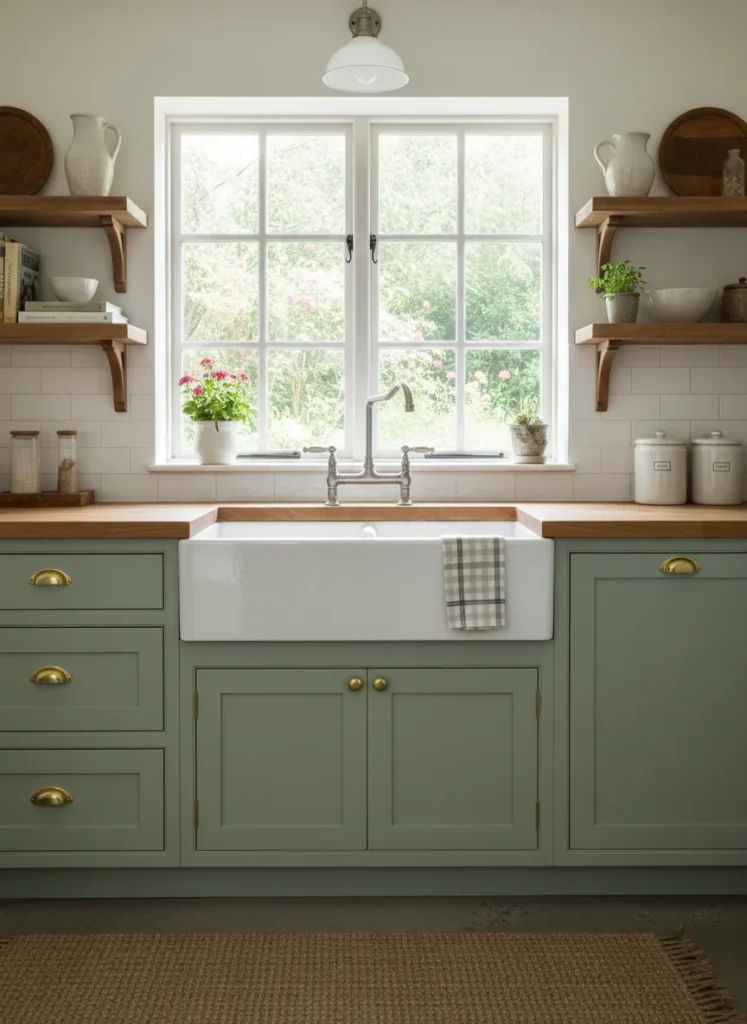
The farmhouse sink, also known as an apron-front sink, is a beloved feature that combines nostalgia with heavy-duty utility. These deep, wide basins were originally designed for holding large amounts of water, making them incredibly practical for washing large pots and pans. The exposed front panel breaks up the cabinetry run and adds a charming focal point.
Beyond their rustic roots, these sinks have adapted to fit transitional and even modern kitchens. Whether made of fireclay, cast iron, or stainless steel, the farmhouse sink remains a practical choice that prioritizes ergonomics and ease of use, qualities that are always in style.
Hardwood Flooring
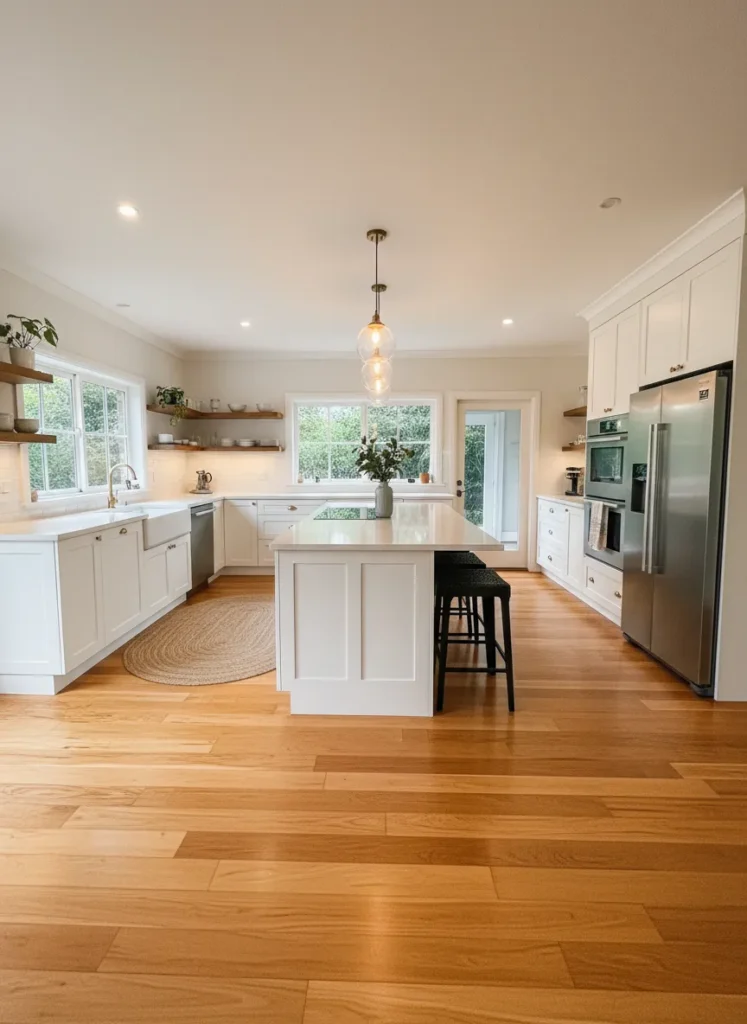
Wood flooring brings unmatched warmth and character to a kitchen space. Unlike cold tile, hardwood feels comfortable underfoot and adds a natural element that softens the hard surfaces of appliances and stone countertops. It connects the kitchen to the rest of the living areas, creating a cohesive flow throughout the home.
Durability is another reason hardwood remains a top choice for timeless kitchen designs. Quality wood floors can be refinished multiple times over decades, allowing you to change the stain color or restore their original luster. This longevity makes them a smart investment that ages gracefully alongside the house.
Glass-Front Cabinetry
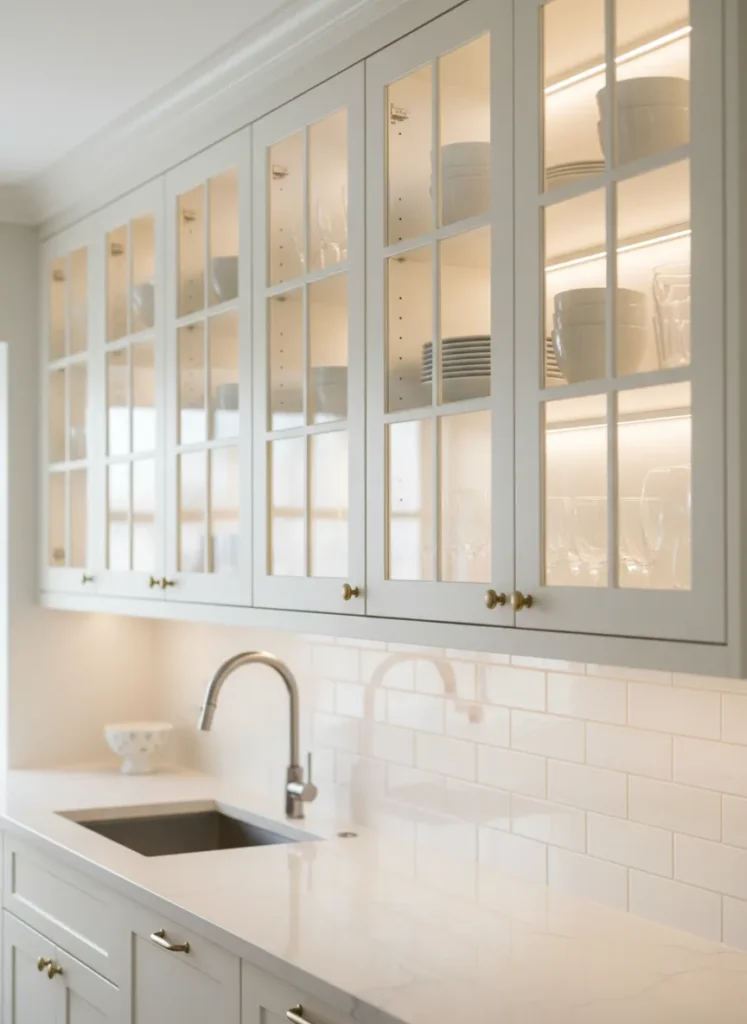
Incorporating glass panels into your upper cabinet doors is a brilliant way to break up the monotony of solid wood walls. This design choice adds depth to the kitchen and allows you to display your favorite dishware or heirlooms. It mimics the open and airy feel of open shelving but keeps your items protected from dust and grease.
Glass-front cabinets also help to bounce light around the room, making the kitchen feel brighter. They encourage organization, as the contents are visible, resulting in a kitchen that looks curated and tidy. This feature bridges the gap between formal and casual dining styles seamlessly.
Neutral Color Palettes
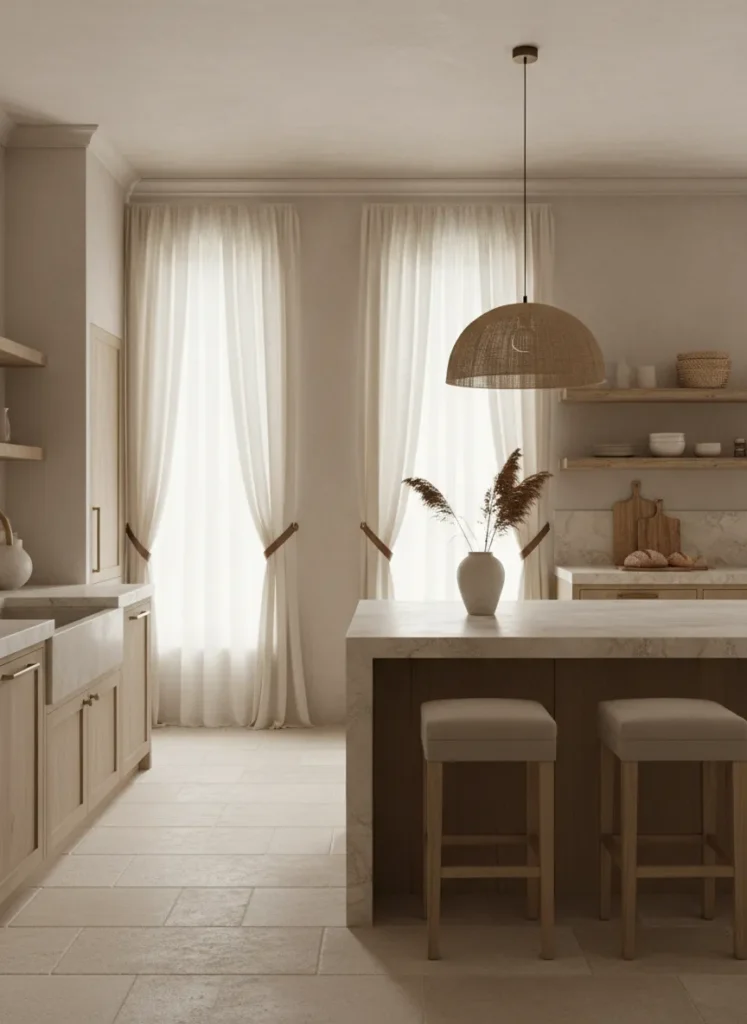
Sticking to a neutral color palette is the secret to longevity in interior design. Shades of white, cream, beige, and grey create a calm and sophisticated atmosphere that does not fatigue the eye. These colors provide a blank canvas, allowing you to add pops of color through flowers, towels, or small appliances that can be easily swapped out.
Neutral kitchens feel expansive and clean, qualities that are highly desirable in a workspace. By avoiding bold, trendy colors on permanent fixtures like cabinets and floors, you save yourself from needing to repaint or remodel when a specific color trend falls out of fashion.
Statement Pendant Lighting
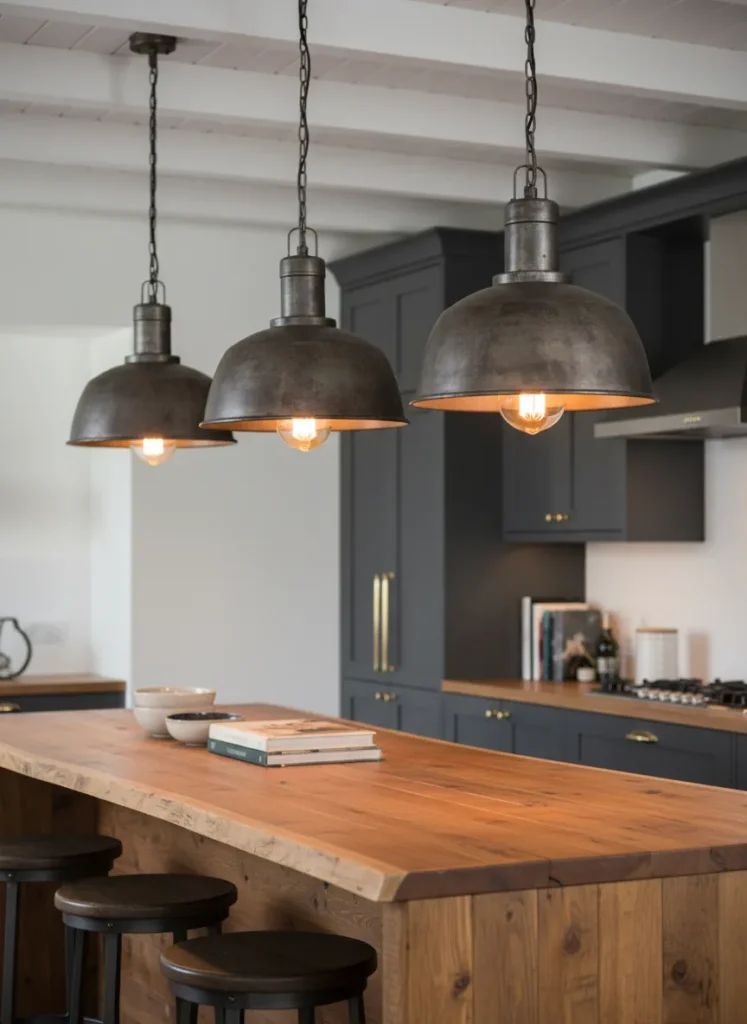
Lighting serves as the jewelry of the kitchen, and pendant lights over an island are the perfect place to make a statement. While styles may shift slightly, the concept of having focused task lighting over a central work area is a permanent fixture in good design. Classic shapes like globes, lanterns, or industrial cones work best.
These fixtures draw the eye upward and anchor the island within the room. Choosing finishes like brass, nickel, or matte black ensures the lights coordinate with other hardware in the room. They provide essential illumination for cooking and dining while adding a layer of decorative personality.
Butcher Block Countertops
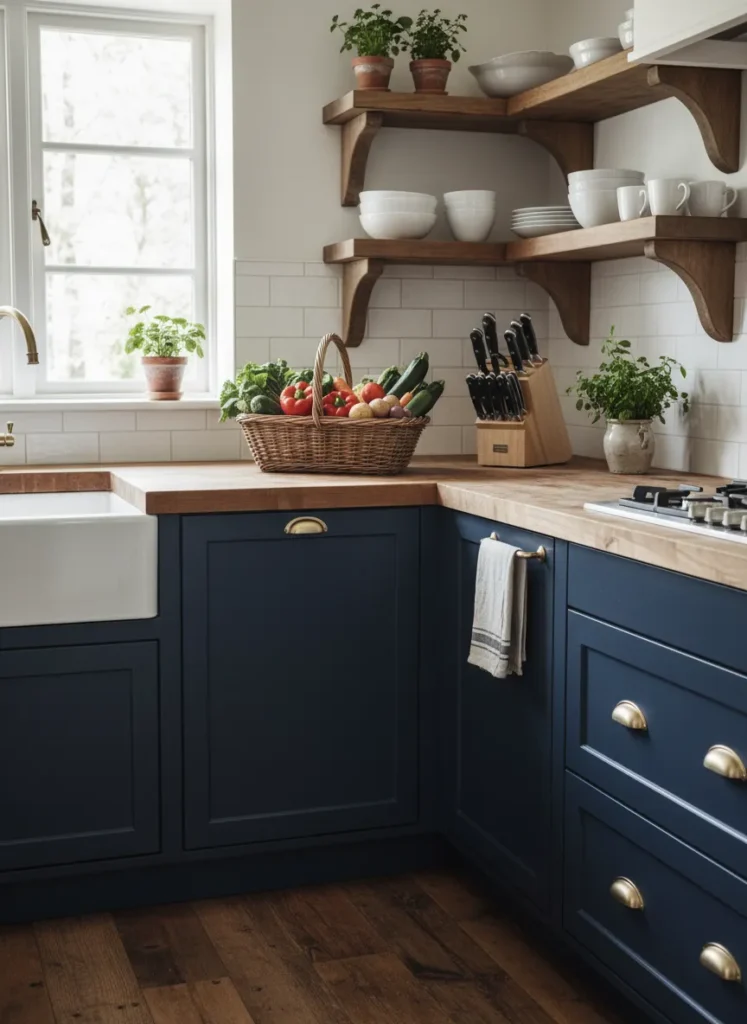
Butcher block countertops offer a warmth and texture that stone surfaces simply cannot match. They bring a natural, organic feel to the kitchen and are incredibly functional for food preparation. Wood surfaces are quieter than stone when placing down pots and pans, reducing the noise level in a busy kitchen.
With proper care and oiling, butcher block can last for many years. If the surface gets scratched or stained, it can be sanded down and resealed, making it a forgiving material for a family home. It is often used on islands to contrast with stone perimeter counters, creating a balanced and inviting look.
Stainless Steel Appliances
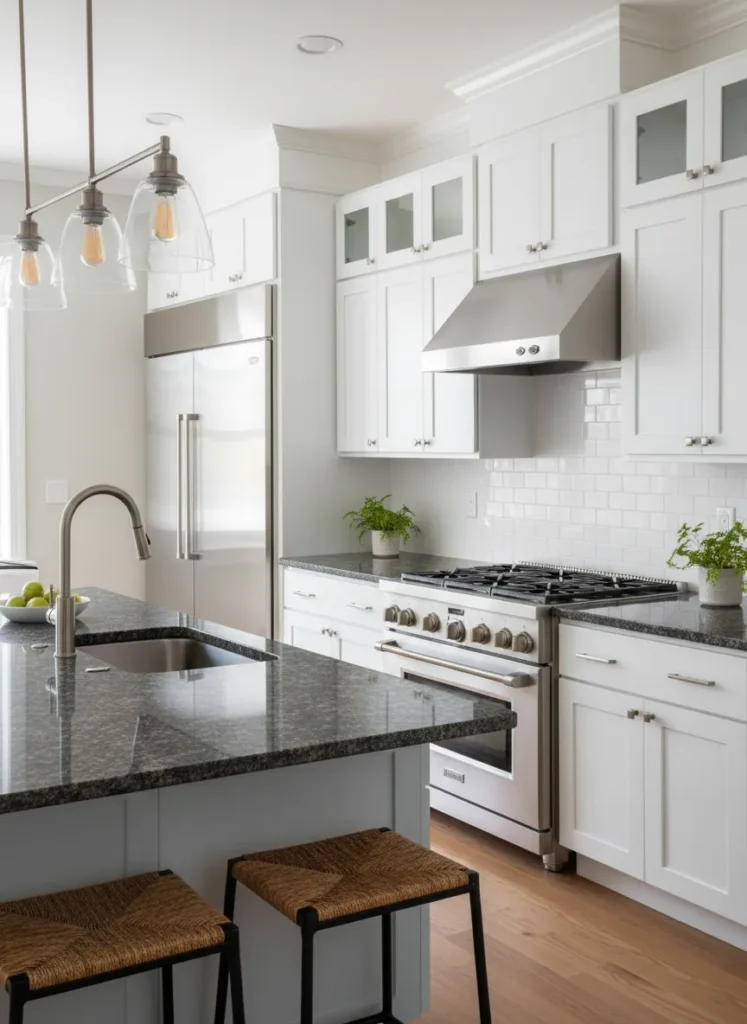
Stainless steel appliances have transitioned from commercial kitchens to residential standards and show no sign of leaving. Their neutral silver tone matches every color scheme and cabinet style, making them the most versatile option available. They provide a sleek, professional aesthetic that signals a serious cooking environment.
Beyond looks, stainless steel is durable, heat resistant, and easy to clean. It resists corrosion and does not chip like enamel might. Because almost all manufacturers produce stainless steel models, replacing a single broken appliance is easy without having to worry about mismatched colors.
Kitchen Island with Seating
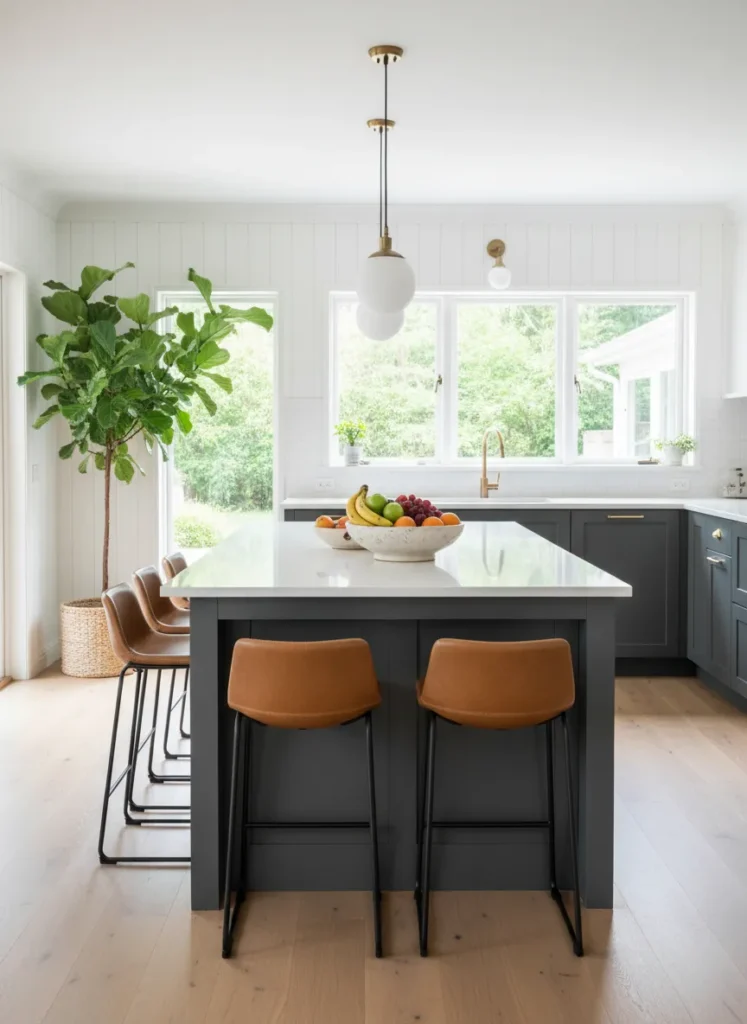
The kitchen island has evolved from a luxury to a necessity in modern home layouts. It serves as a multi-functional hub for prepping food, eating casual meals, and socializing with guests. An island with seating invites family members to gather in the kitchen without getting in the way of the cook.
This design element promotes the concept of the kitchen as the heart of the home. It provides extra counter space and storage, solving two common kitchen problems at once. The social aspect of an island ensures it remains a requested feature in homes regardless of changing architectural trends.
Crown Molding
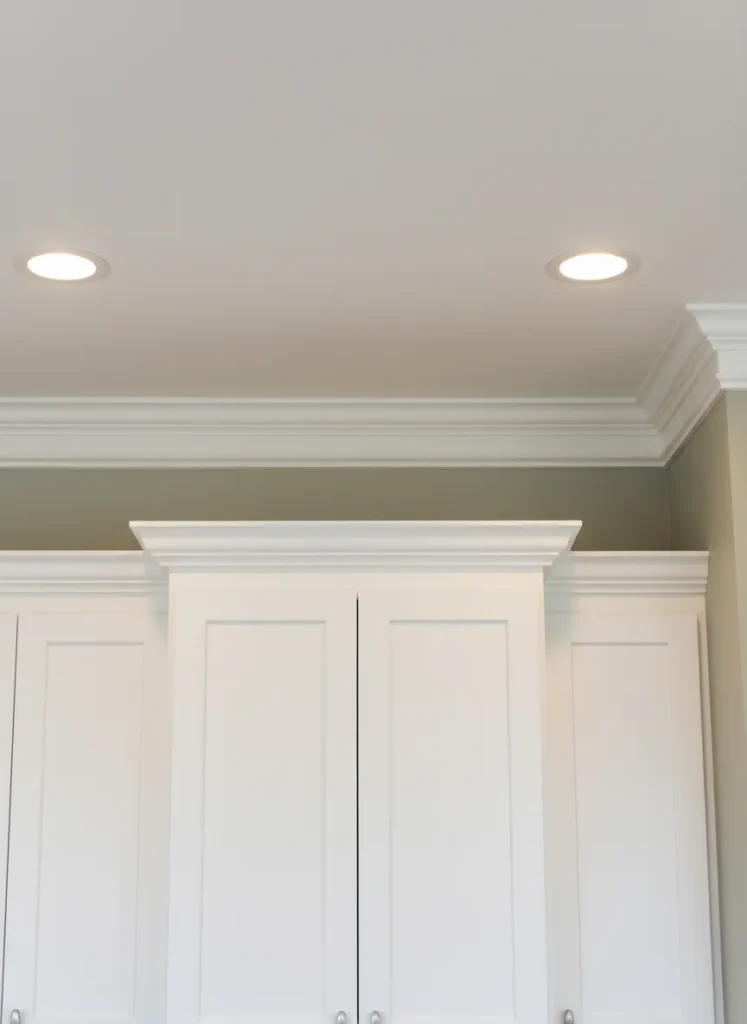
Crown molding is a finishing touch that adds an instant sense of custom craftsmanship to a kitchen. It bridges the gap between the top of the cabinets and the ceiling, drawing the eye upward and making the room feel taller. This architectural detail eliminates the dark, dusty gap often found above standard cabinets.
The addition of molding gives the cabinetry a built-in, furniture-like appearance that feels permanent and substantial. It is a hallmark of traditional and transitional design that adds polish and value. Even in simpler kitchens, a modest molding profile can elevate the entire look from builder-grade to bespoke.
Brass Hardware
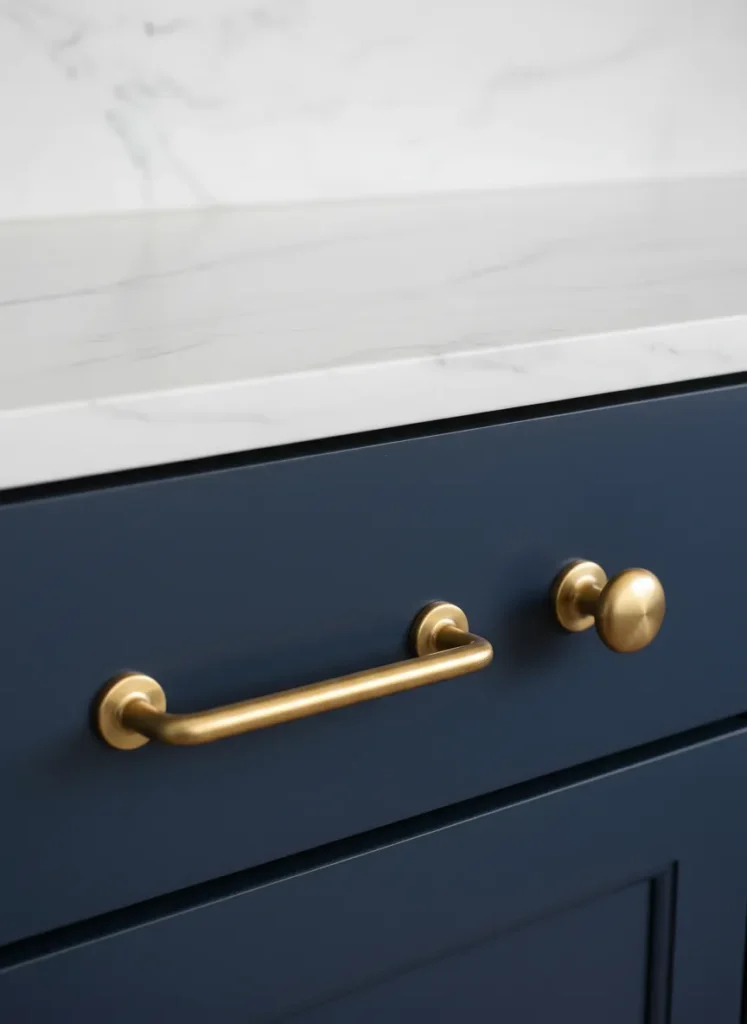
Brass hardware brings warmth and a touch of vintage charm to kitchen cabinetry. Unlike cool chrome, brass ages beautifully, often developing a patina that adds character over time. It pairs exceptionally well with both white and colored cabinets, acting as a subtle accent that elevates the overall design.
This metal finish has been used in homes for centuries, proving its staying power. Whether you choose polished, antique, or satin brass, the golden tones add a layer of sophistication. It is a simple way to introduce a metallic element that feels warm and inviting rather than sterile.
Open Shelving Accents
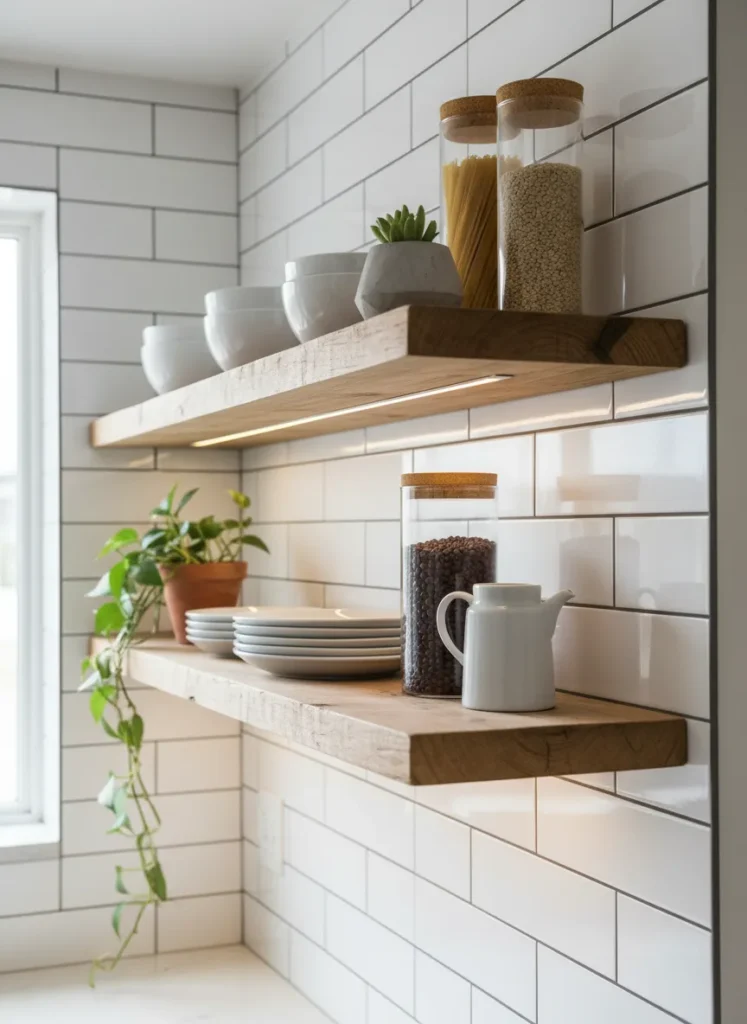
While wall-to-wall cabinets are practical, incorporating a section of open shelving adds personality and airiness to the kitchen. It allows you to keep frequently used items like coffee mugs or plates within easy reach. This design choice prevents a kitchen from feeling too heavy or boxed in with doors.
Used sparingly, open shelves offer a place to display decorative items that reflect your personal style. They create a visual break in the cabinetry and can make a small kitchen feel more spacious. The key to this timeless look is curation, ensuring the shelves remain tidy and functional.
Bridge Faucets
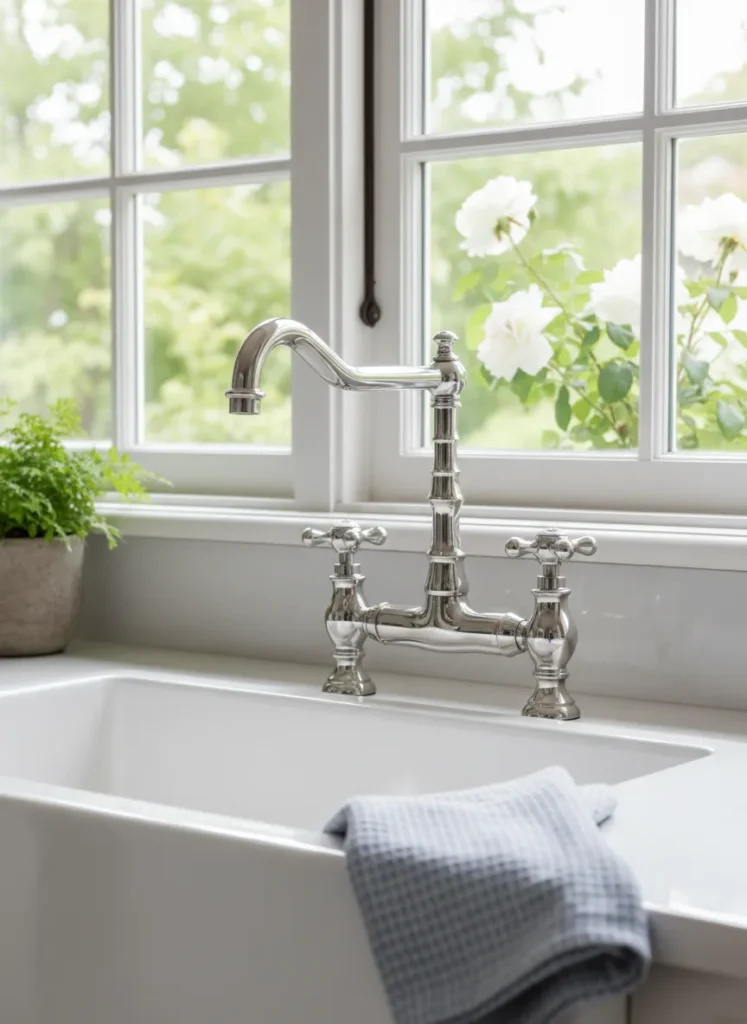
Bridge faucets are a nod to Victorian-era plumbing design that remains incredibly popular today. The distinctive two-handle design connected by a horizontal bar creates a classic silhouette that looks elegant in any setting. It serves as a functional sculpture at the sink area.
This style of faucet works particularly well with farmhouse sinks and traditional countertops. Despite its vintage look, modern bridge faucets come with advanced ceramic disc valves and side sprays, offering the best of old-world charm and modern reliability. It is a detail that adds immediate architectural interest.
Integrated Appliances
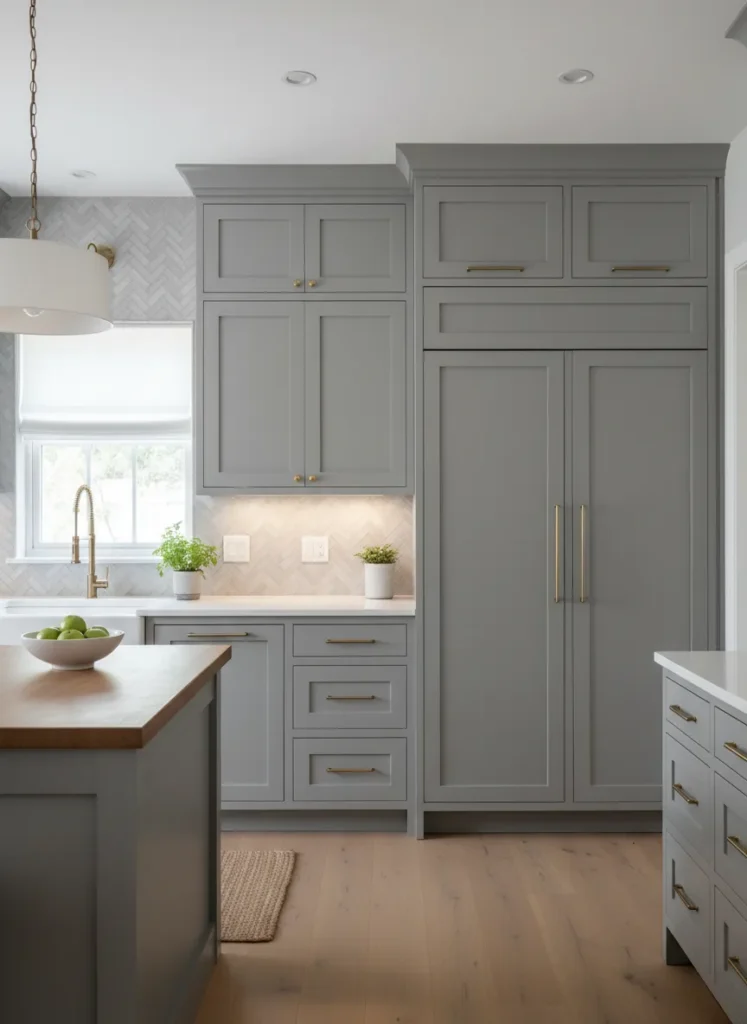
Integrated appliances, or panel-ready appliances, allow your refrigerator and dishwasher to blend completely into the cabinetry. This creates a seamless, uninterrupted visual flow that makes the kitchen look less like a utility room and more like a living space. It is the ultimate choice for a high-end, uncluttered look.
By hiding bulky appliances, you allow the design of the cabinetry and the architecture of the room to take center stage. This approach is particularly effective in open-concept homes where the kitchen is visible from the living or dining room. It maintains a consistent aesthetic that never feels disjointed.
Natural Stone Floors
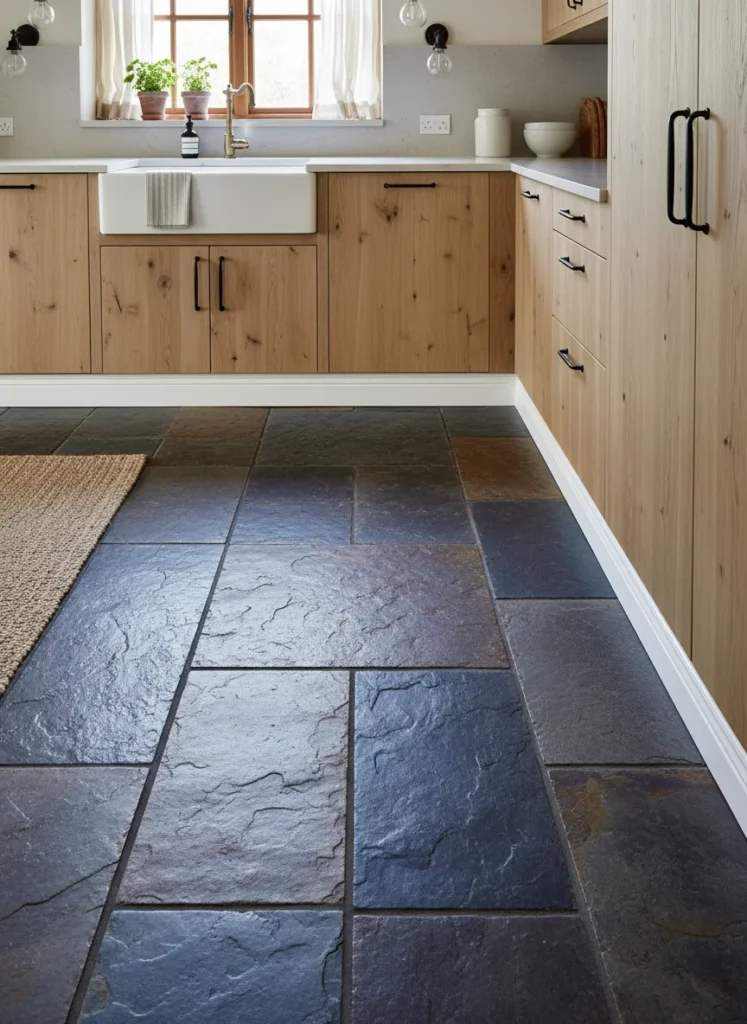
Natural stone floors, such as slate, travertine, or limestone, offer an earthy texture that grounds the kitchen. These materials are incredibly durable and can withstand heavy foot traffic and spills better than most synthetic options. The variation in color and texture in each tile ensures the floor never looks flat or artificial.
Stone floors have been used in homes for thousands of years, cementing their status as a timeless choice. They keep the kitchen cool in the summer and can be paired with radiant underfloor heating for winter warmth. Their rugged beauty provides a perfect contrast to smooth cabinets and countertops.
Walk-In Pantry
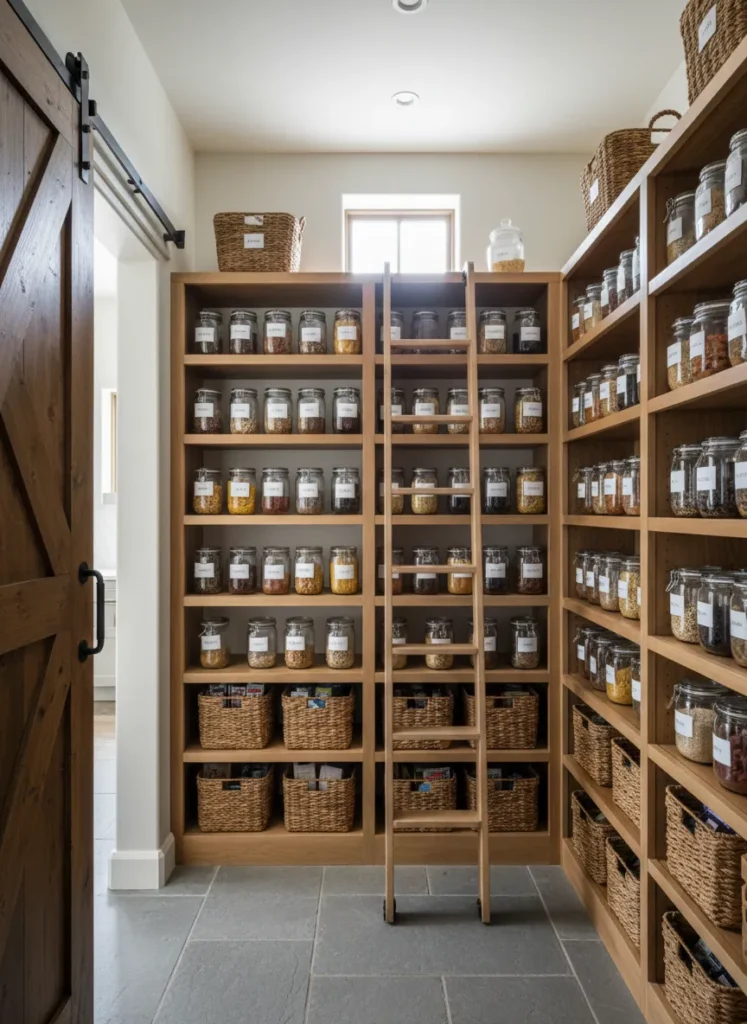
A walk-in pantry is a functional luxury that never loses its appeal. It provides ample storage for dry goods, small appliances, and bulk items, keeping the main kitchen counters clutter-free. Having a dedicated space for food storage helps with organization and makes meal planning significantly easier.
The design of a pantry can be as simple or elaborate as you like, but its utility is universal. It allows the main kitchen to remain a space for cooking and socializing rather than storage. For resale value and daily convenience, a well-equipped pantry is a timeless asset to any home.
Checkerboard Flooring
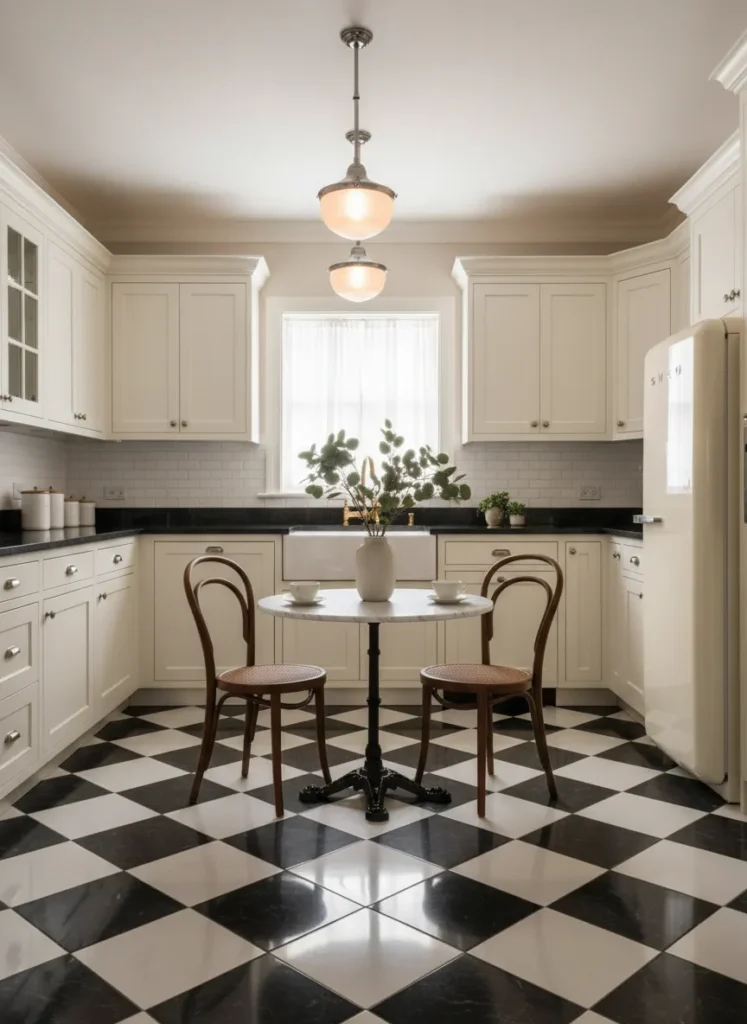
Checkerboard flooring is a bold design choice that has adorned castles, diners, and homes for centuries. The high contrast pattern of black and white (or other color combinations) adds dynamic energy to the room. It creates a vintage vibe that feels nostalgic yet incredibly chic.
This flooring pattern works surprisingly well in various styles, from French country to mid-century modern. By laying the tiles on a diagonal, you can also create the illusion of a wider floor space. It is a spirited design element that proves fun and elegance can coexist permanently.
Pot Fillers
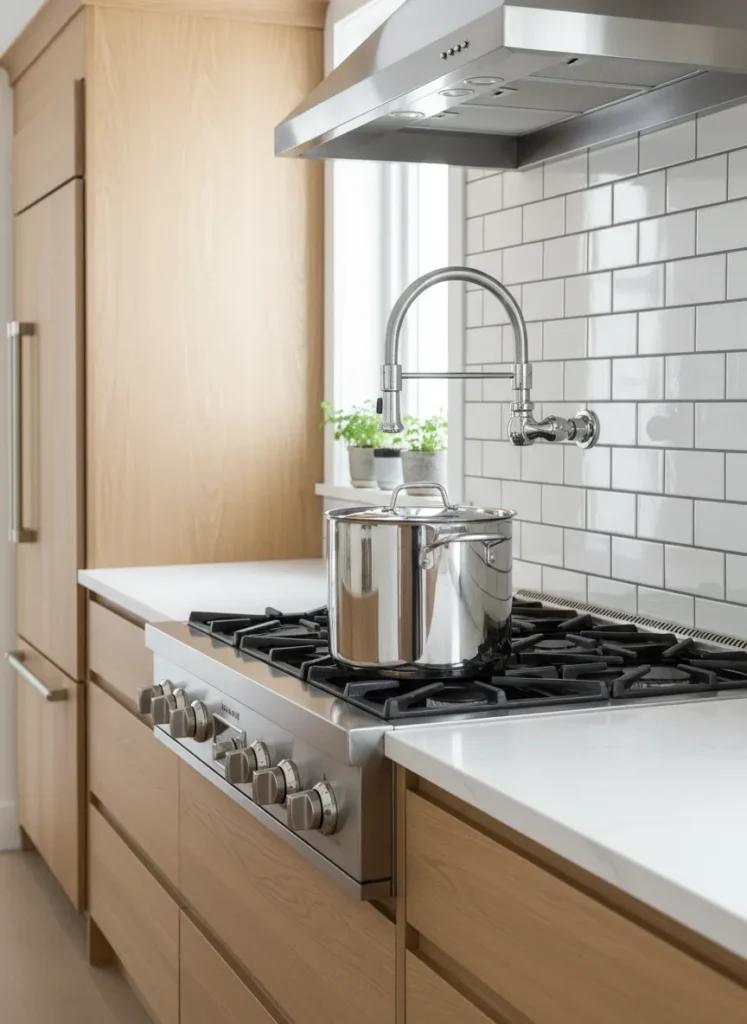
A pot filler is a cold-water faucet mounted on the wall directly above the stove. Originally a feature of commercial kitchens, it has become a coveted detail in residential design. It eliminates the need to carry heavy, water-filled pots from the sink to the stove, adding a layer of ergonomic convenience.
Visually, a pot filler breaks up the expanse of the backsplash and adds a touch of professional hardware to the cooking zone. It signals that the kitchen is designed for serious cooking. While a small detail, it adds a level of luxury and functionality that homeowners appreciate for years.
Custom Range Hoods
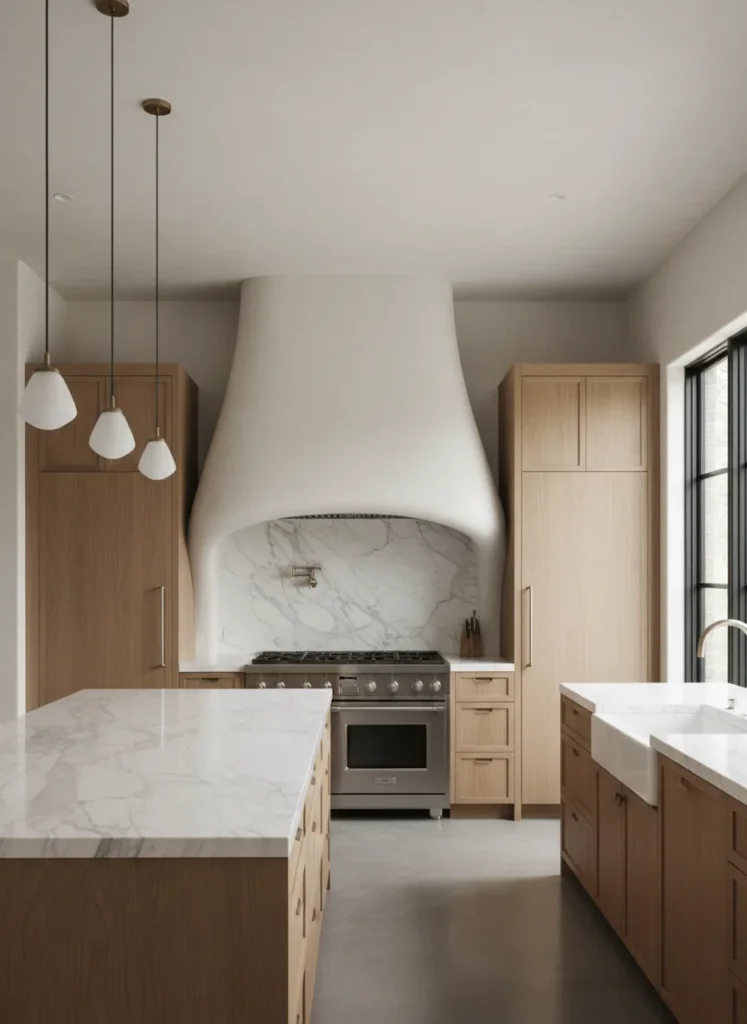
Moving away from standard stainless steel chimneys, custom range hoods allow for creative expression that integrates with the architecture. Whether made of plaster, wood, or copper, a custom hood acts as a stunning focal point. It can match the cabinetry for a seamless look or stand out as a statement piece.
A well-designed hood anchors the cooking area and adds visual weight to the upper portion of the room. It transforms a necessary appliance into a design feature. This tailored approach ensures the kitchen feels unique and thoughtfully constructed, avoiding the cookie-cutter look of standard appliance packages.
Wainscoting and Beadboard
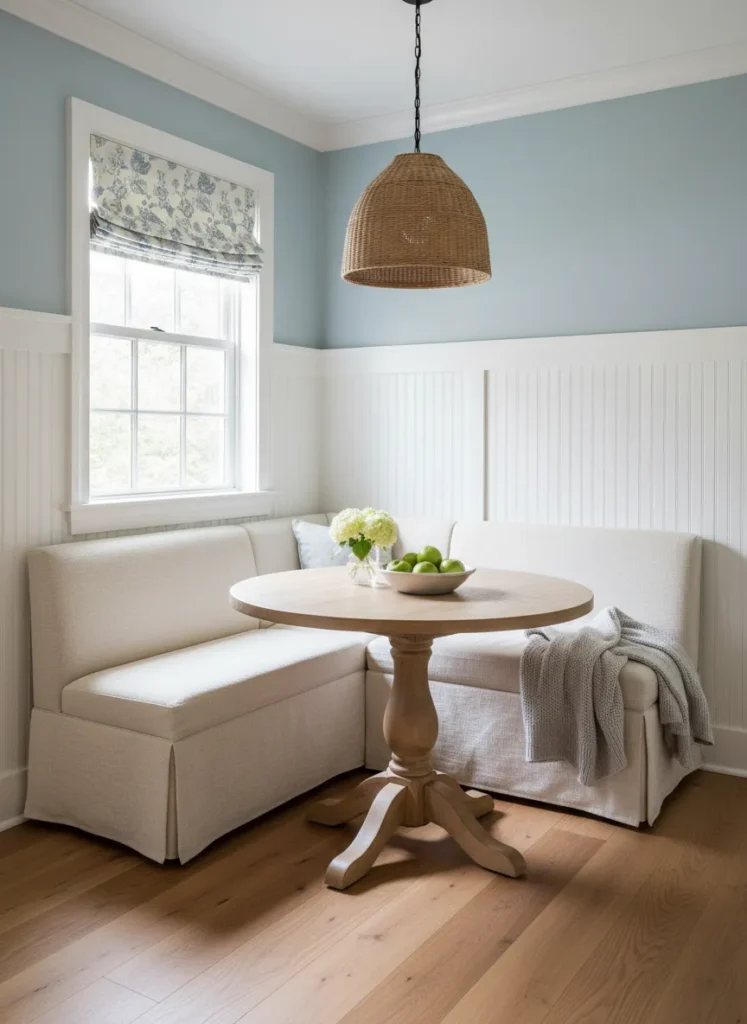
Wainscoting and beadboard add texture and historical context to kitchen walls. These wood paneling details protect the lower walls from scuffs and splashes while adding architectural interest. They evoke a sense of cottage charm and traditional craftsmanship that paint alone cannot achieve.
This design element is particularly effective in breakfast nooks or on the back of kitchen islands. It adds a layer of durability and is easy to clean, making it practical for high-traffic zones. Painting the paneling in white or a contrasting color provides a classic, finished look that endures.
Cozy Breakfast Nooks
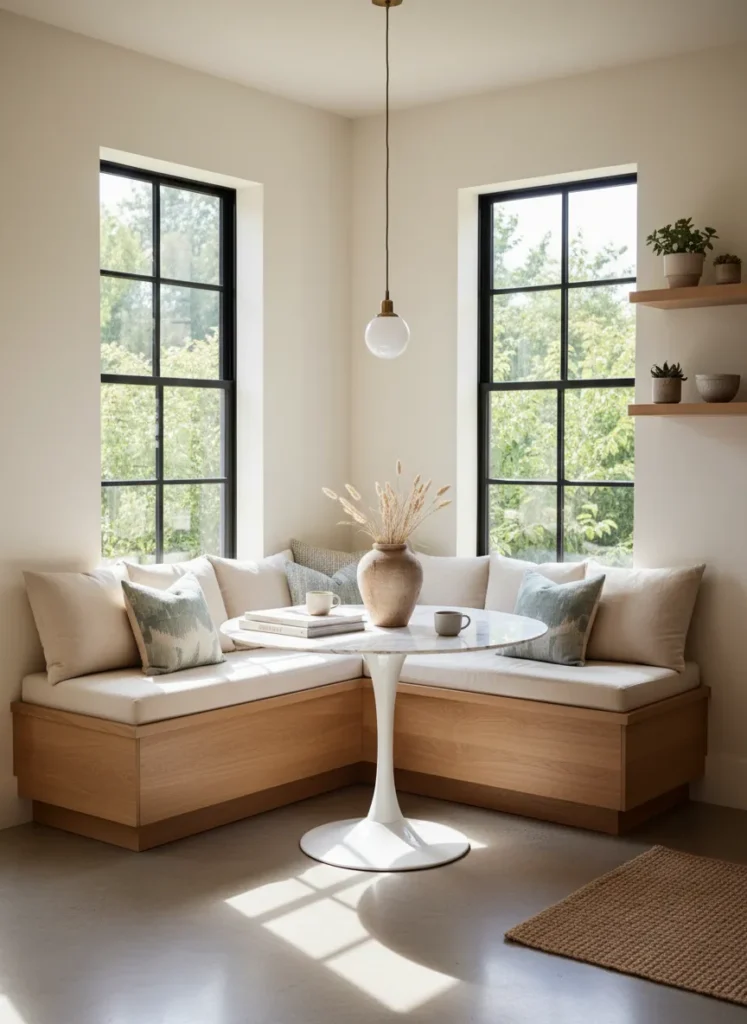
The breakfast nook is a dedicated space for casual dining that promotes intimacy and comfort. Built-in banquettes or benches maximize space in a corner, often providing hidden storage underneath. It creates a cozy retreat within the kitchen for morning coffee or homework sessions.
This layout efficiently uses space that might otherwise be wasted. It creates a distinct zone for eating without requiring a formal dining room. The inviting nature of a breakfast nook makes the kitchen feel lived-in and loved, a sentiment that is the definition of timeless home design.
Conclusion
Timeless kitchen designs are not about avoiding change, but about building a space that evolves gracefully with your life. By grounding your renovation in these 22 enduring ideas, you create a room that balances function with beauty. Whether you prefer the crisp look of shaker cabinets or the warmth of butcher block, these elements ensure your kitchen will be loved and admired for generations to come.