
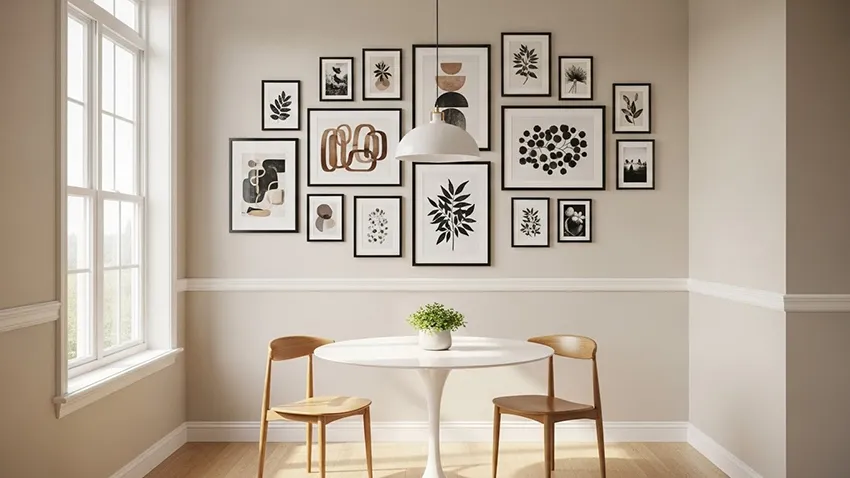
Creating a cozy eating area in a limited space can be a fun challenge for any homeowner looking to maximize their square footage. By exploring creative small dining room design inspirations, you can transform a tiny corner into a stylish and functional gathering spot that feels much larger than it actually is. With the right furniture choices and clever layout tricks, even the most compact room can host memorable dinners and lively conversations.
Embrace the Round Table for Small Dining Spaces
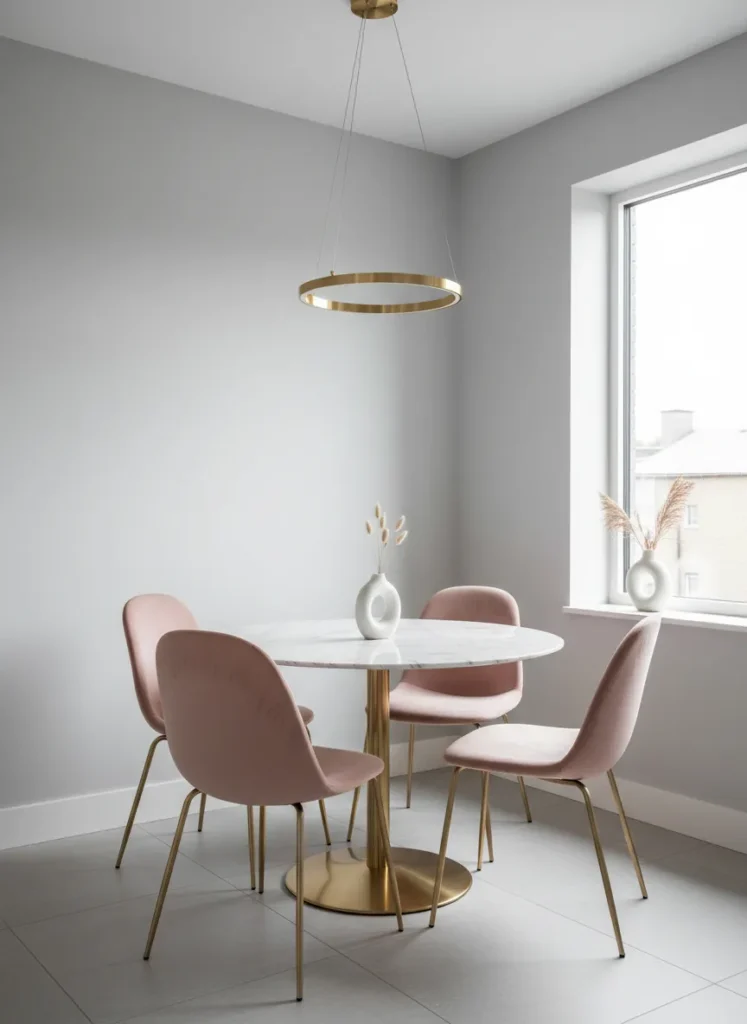
One of the most effective ways to save space is by swapping a rectangular table for a round one. Round tables eliminate sharp corners, which makes moving around a tight room much easier and prevents hips from bumping into edges. This shape also creates a more intimate setting where everyone faces each other, encouraging better conversation during meals.
Visually, the curves of a round table help to break up the rigid lines of a boxy room, making the space feel softer and more fluid. Because there is no head of the table, you can often fit more chairs around it when guests arrive without the arrangement looking cluttered. This simple switch is a staple in small dining room design inspirations because it balances function with an elegant look.
Built-In Banquette Seating for Compact Dining Rooms
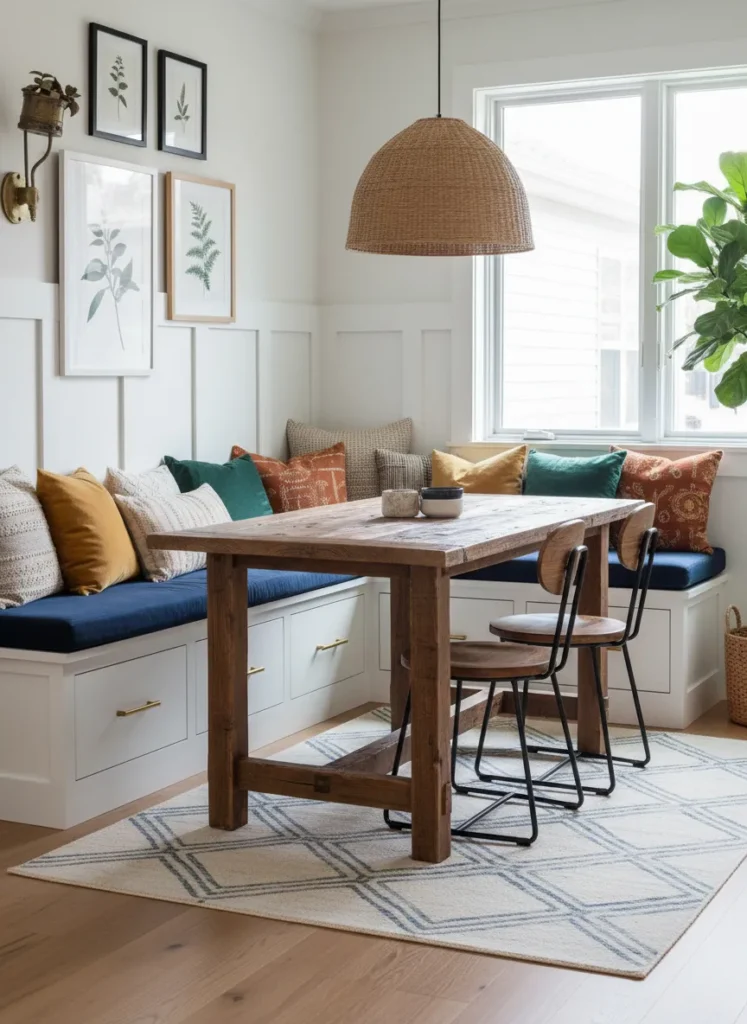
Utilizing a corner with built-in banquette seating is a brilliant strategy for tight spaces. By pushing the seating directly against the wall, you eliminate the need for clearance space behind chairs, which frees up valuable floor area. This setup creates a cozy, restaurant-like booth atmosphere that feels custom-made for your home.
Banquettes often offer hidden functionality that standalone chairs cannot provide. Many designs include storage drawers or lift-up seats where you can stash table linens, seasonal decor, or kitchen gadgets. This dual purpose of seating and storage makes banquettes one of the smartest small dining room design inspirations for organized living.
Large Wall Mirrors to Enhance Small Dining Room Design
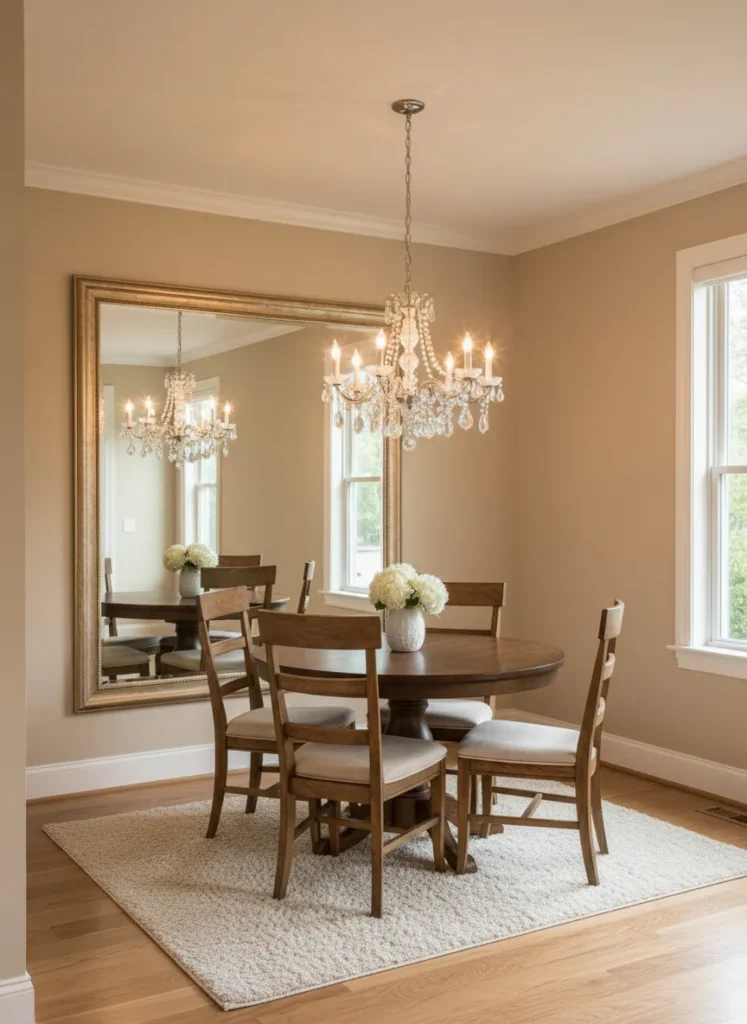
Hanging a large mirror is a classic interior design trick that works wonders in compact dining areas. Mirrors reflect both natural and artificial light, instantly brightening the room and giving the illusion of depth. When positioned correctly, a mirror can make a small wall disappear, making the dining area feel twice as big as it really is.
You can choose a wall-to-wall mirror for a dramatic effect or a statement framed mirror to add decorative flair. This addition not only opens up the space visually but also adds a touch of glamour and sophistication. It is a cost-effective way to enhance the atmosphere without taking up any physical floor space.
Transparent Ghost Chairs
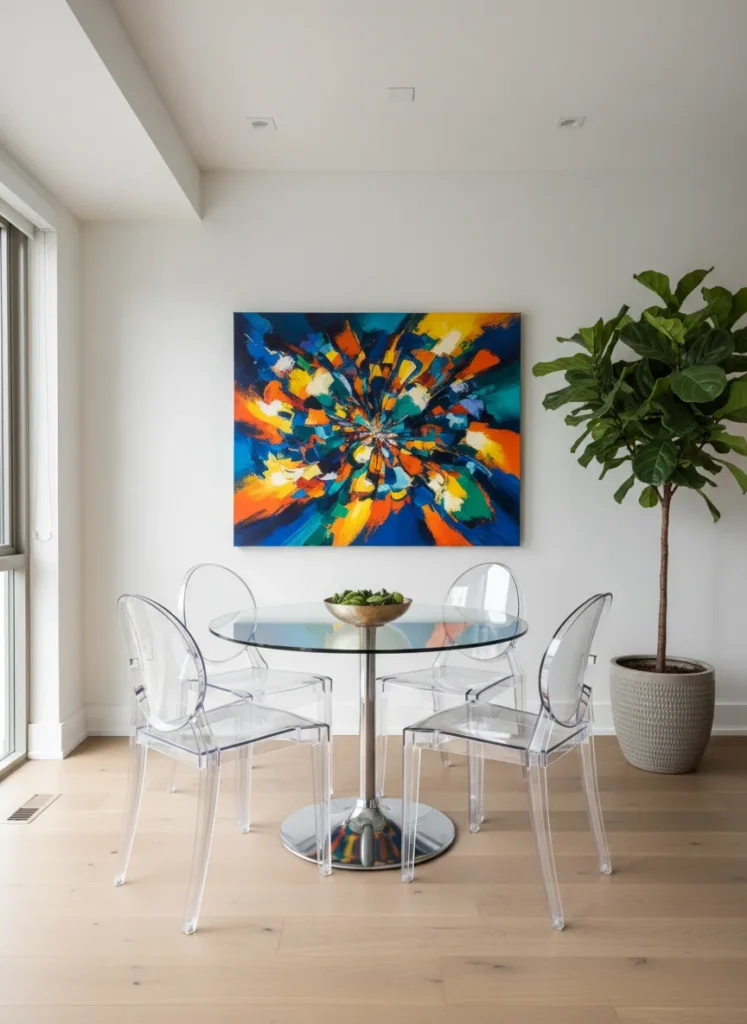
If you want your furniture to disappear visually, acrylic or ghost chairs are the perfect solution. Because they are transparent, they allow light to pass right through them, preventing the room from feeling heavy or overcrowded with bulky furniture. This trick keeps the sightlines open and maintains an airy vibe.
Despite their delicate appearance, these chairs are usually durable and comfortable. They work exceptionally well in modern or eclectic spaces where you want the focus to be on the table or the artwork on the walls. Using transparent furniture is a subtle yet powerful method among small dining room design inspirations to maintain a sense of openness.
Vertical Shelving Units
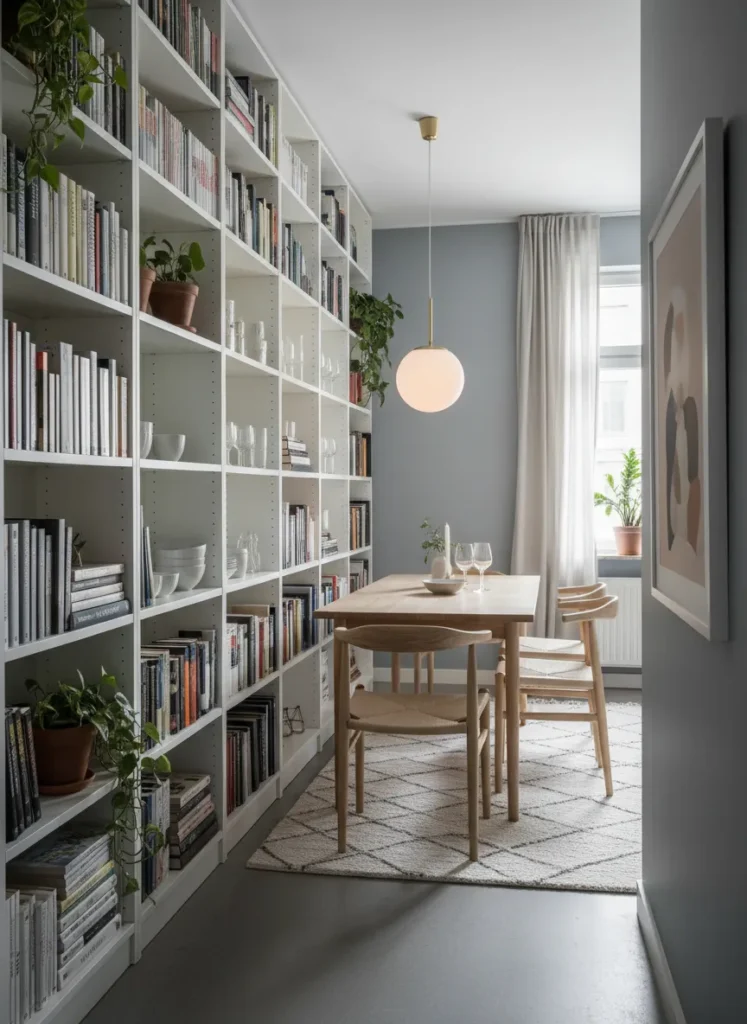
When floor space is limited, the only way to go is up. Installing floor-to-ceiling shelving units draws the eye upward, emphasizing the height of the room rather than its small footprint. These shelves provide essential storage for plates, glasses, and decor without requiring a wide buffet table or sideboard.
You can style the shelves with a mix of practical items and decorative pieces to add personality to the dining area. This vertical approach keeps clutter off the table and floor, ensuring the room remains tidy and navigable. It effectively turns a blank wall into a functional and beautiful feature.
Define Dining Zones with Rugs in Limited Spaces
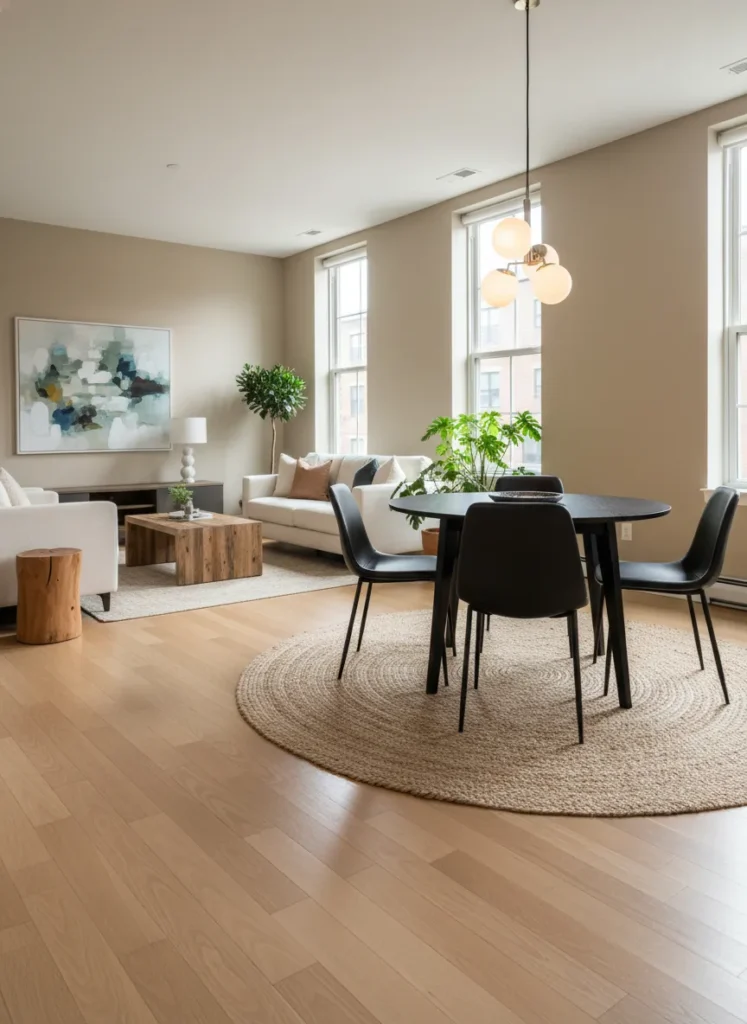
In open-concept apartments where the living room and dining area share one space, a rug is essential for zoning. Placing a rug under your dining set visually anchors the furniture, creating a dedicated ‘room’ within a room. This separation helps the dining area feel intentional rather than just a table floating in the middle of the floor.
Choose a rug that is large enough so that the chairs remain on it even when pulled out. A flat-weave rug is usually best for dining areas as it allows chairs to slide easily and is simpler to clean. This visual boundary is a key element in small dining room design inspirations for open floor plans.
Statement Pendant Lighting
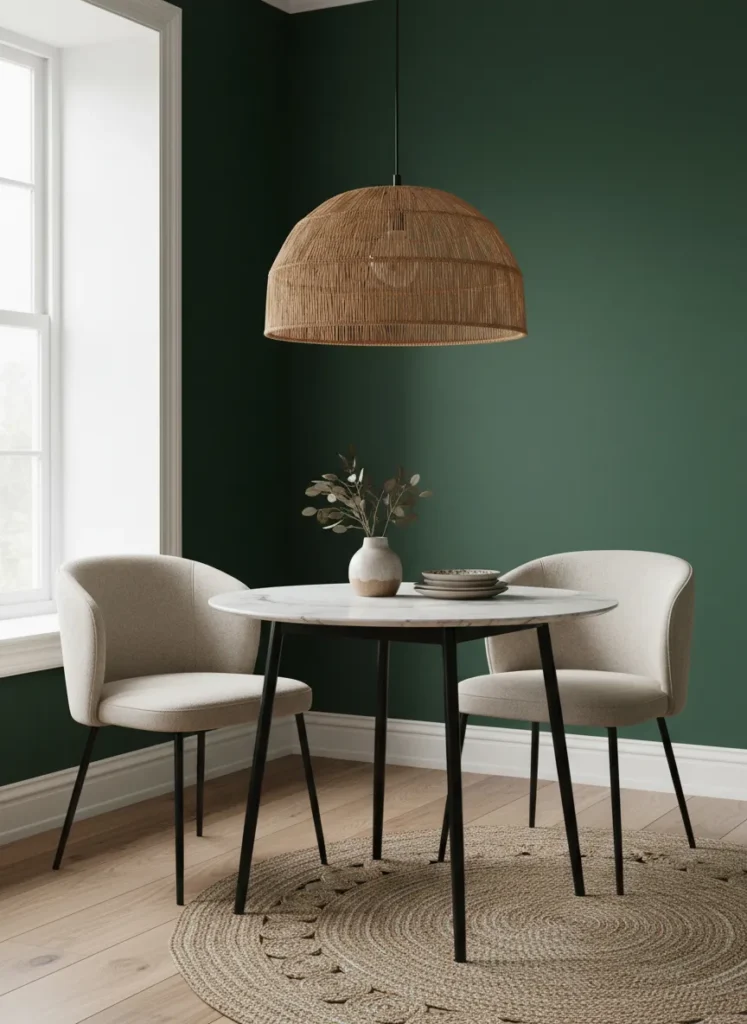
Lighting can act as a focal point that distracts from the small dimensions of a room. Installing a large, eye-catching pendant light directly above the dining table draws the gaze upward and centers the space. This creates a sense of grandeur and importance around the dining area, no matter how small the table is.
The scale of the light fixture can actually play a trick on the eye; a larger fixture can sometimes make the space feel more substantial. Whether you choose an industrial metal shade or a soft woven texture, a statement light adds character and defines the eating zone without occupying any walkable space.
Tuck-Away Bench Seating
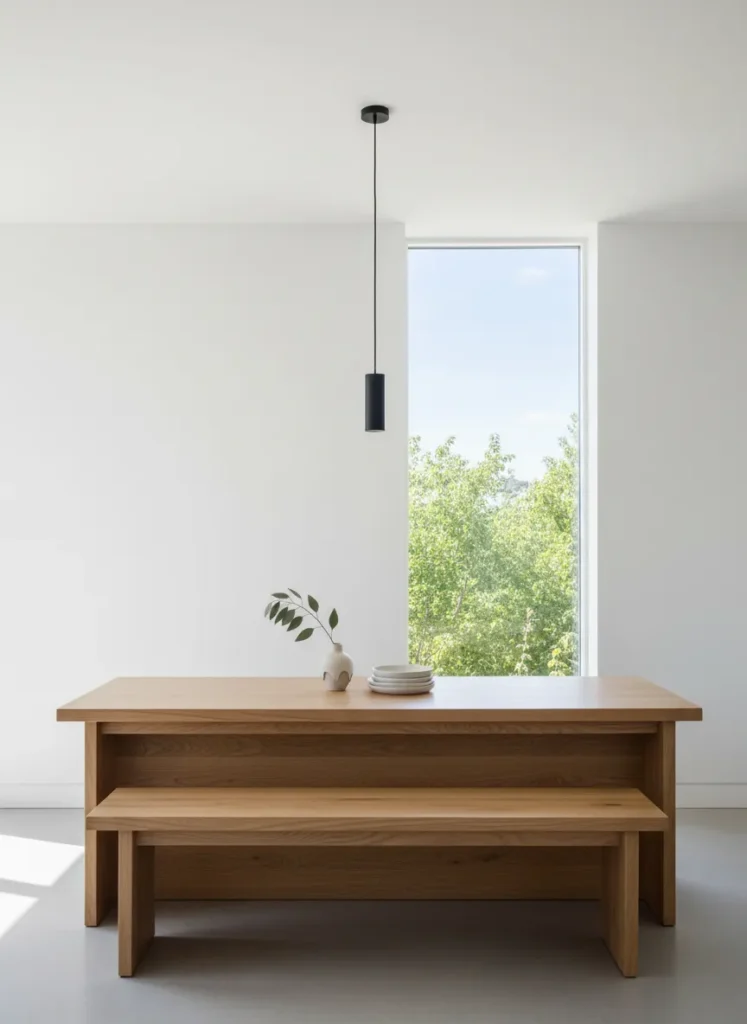
For the ultimate space-saving solution, consider using benches instead of chairs for your dining table. Benches can often be tucked completely under the table when not in use, instantly clearing the walkways. This is particularly useful in narrow rooms where every inch of floor space counts during the day.
Benches also offer flexible seating capacity; you can squeeze in an extra person or two more easily than you can with individual chairs. This casual seating arrangement creates a relaxed and communal dining experience. It is a practical choice that keeps the room looking neat and unobstructed when the meal is over.
Glass Top Tables
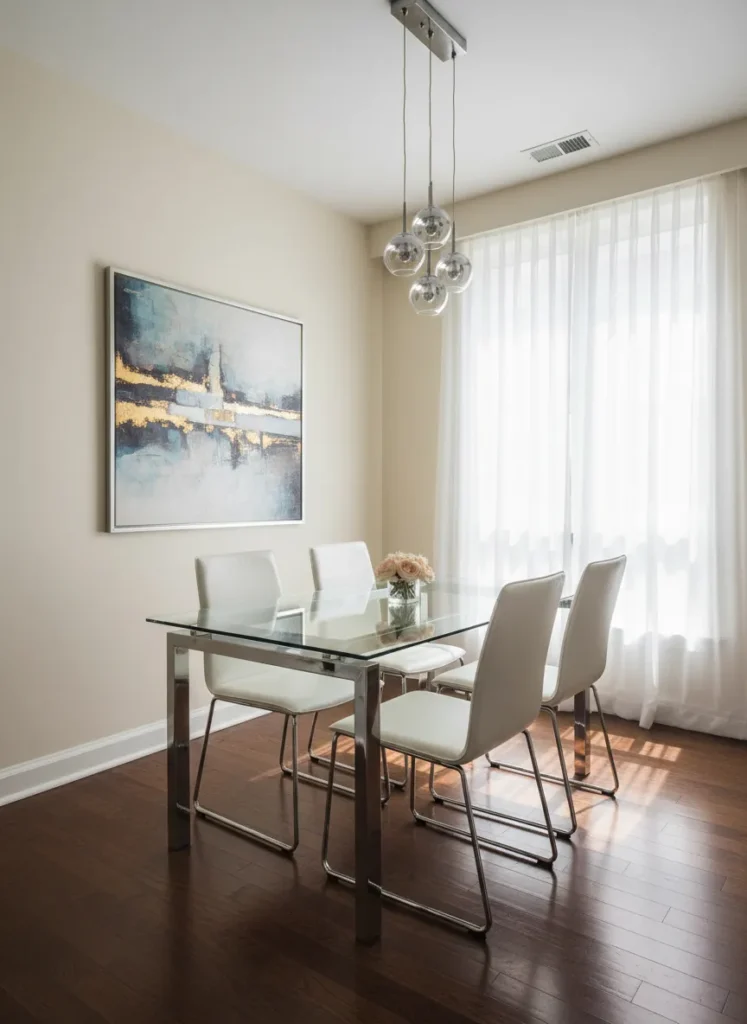
Similar to ghost chairs, a glass-top table is excellent for maintaining a visual flow in a small room. The transparency of the glass allows you to see the floor underneath, which prevents the table from blocking the view and making the room feel closed in. It creates a light and floating effect that is perfect for tight quarters.
Glass tables work well with almost any design style, from modern to traditional. They reflect natural light, adding brightness to the corner where they are placed. By reducing the visual weight of the largest piece of furniture in the room, you make the entire area feel more spacious and airy.
Wall-Mounted Drop-Leaf Tables
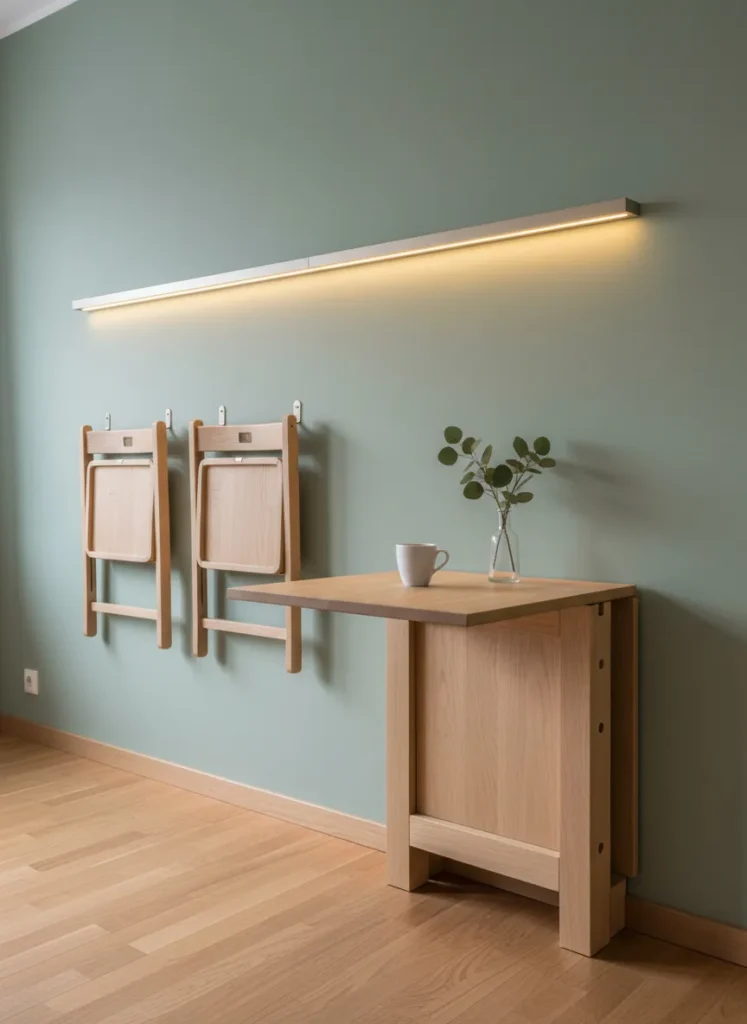
For extremely small apartments or studio spaces, a wall-mounted drop-leaf table is a game-changer. This type of table can be folded flat against the wall when not in use, effectively disappearing and freeing up the entire floor area. It transforms a dining spot into an open living space in seconds.
When you are ready to eat, you simply lift the leaf and pull up a folding chair. This flexibility allows you to have a functional dining area only when you need it. It is one of the most efficient small dining room design inspirations for those who value versatility and unobstructed movement.
Monochromatic Color Palette
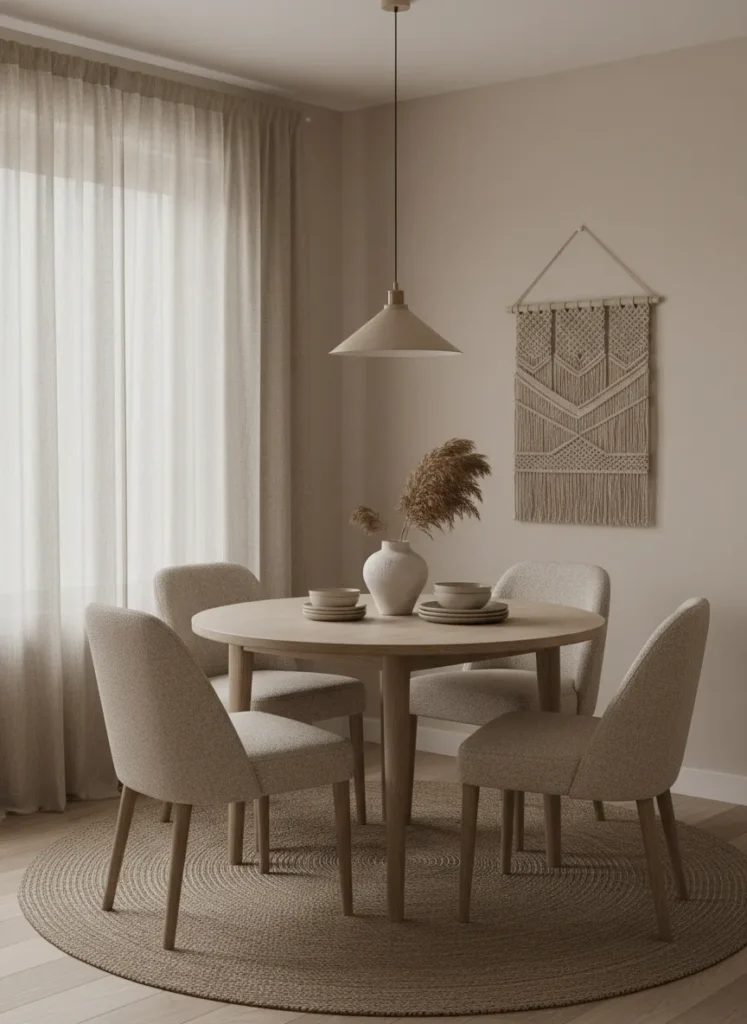
Using a monochromatic color palette can make a small dining room feel less chaotic and more expansive. When the walls, furniture, and decor share similar tones, the boundaries of the room blur, making the space feel unified and larger. High-contrast colors can sometimes break up a room visually, making it feel chopped up and smaller.
Lighter shades like whites, creams, and soft greys are particularly effective at reflecting light and creating a serene atmosphere. However, even dark monochromatic schemes can work by creating a cozy, jewel-box effect. This design strategy simplifies the visual noise, allowing the eye to travel smoothly across the room.
Vertical Art Gallery
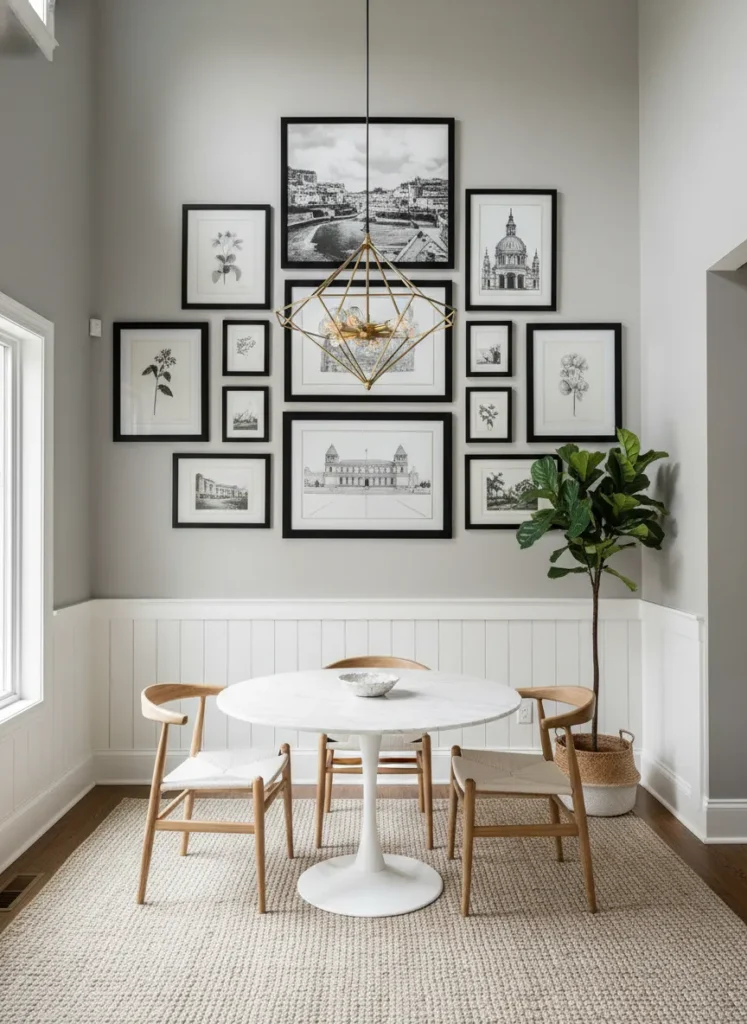
If you lack floor space for decorative objects, use your walls to express your personality. Creating a gallery wall that extends up to the ceiling draws the eye upward, emphasizing the vertical volume of the room. This trick makes the ceiling feel higher and the room feel grander.
You can mix family photos, art prints, and mirrors to create an engaging focal point. Because this decoration is flat against the wall, it adds immense visual interest without encroaching on the physical dining space. It transforms a plain wall into a conversation starter.
Utilize a Window Nook for a Cozy Dining Spot
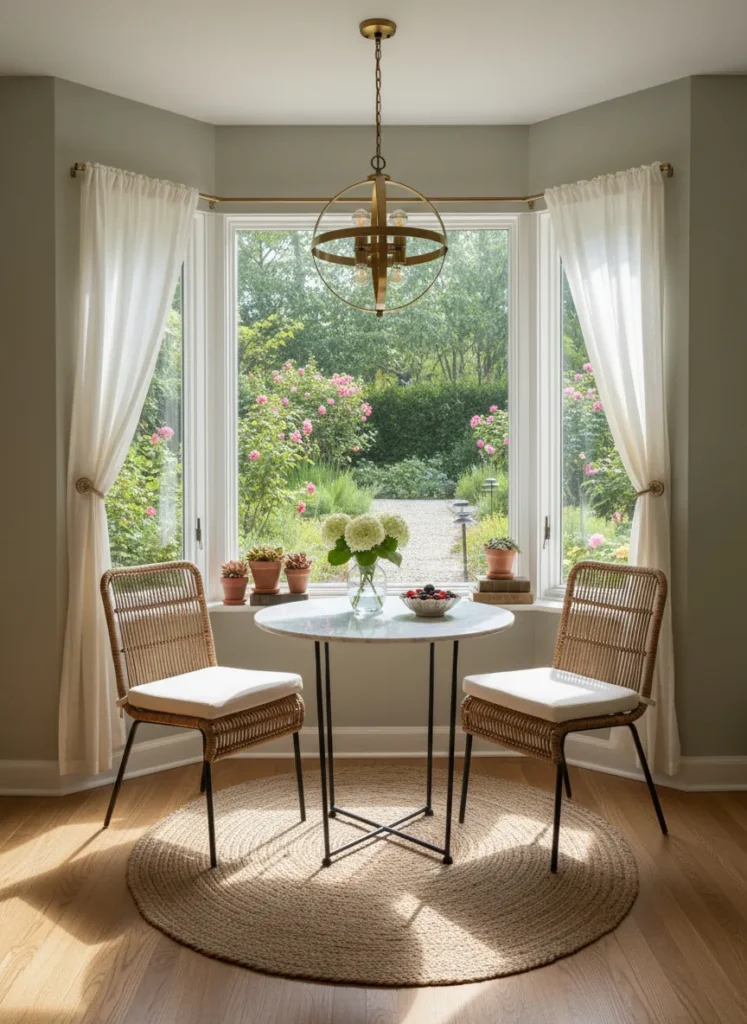
Placing your dining table directly in a window nook takes advantage of natural light and views, which can make a cramped space feel open and inviting. The window acts as a dynamic backdrop, connecting the interior with the outdoors. This positioning often utilizes dead space that might otherwise go unused.
Natural light makes the dining experience more pleasant and reduces the need for heavy artificial lighting during the day. If you have a bay window, the architecture naturally frames the dining area, creating a designated zone without the need for room dividers. It is a cheerful and bright way to enjoy your meals.
Mobile Bar Cart
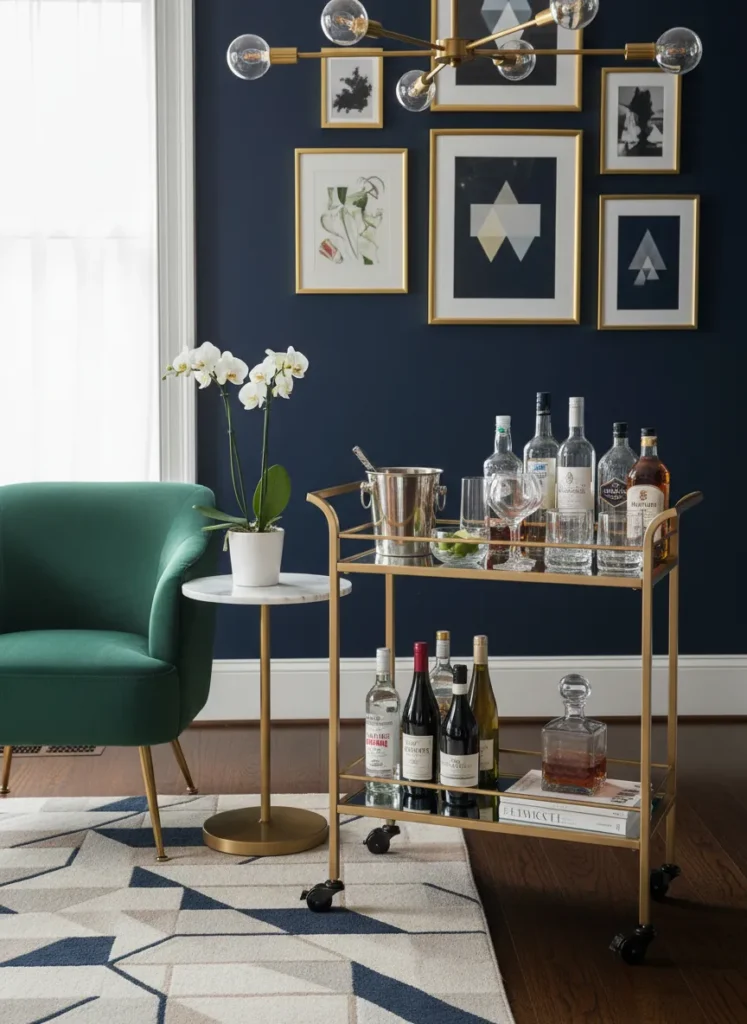
Instead of a heavy, stationary buffet or sideboard, opt for a mobile bar cart. These carts are slim, stylish, and can be moved around easily depending on your needs. They provide essential storage for drinks, napkins, and extra plates without the bulk of traditional cabinetry.
A bar cart adds a touch of elegance and fun to a small dining room. When you are hosting a larger gathering, you can roll it into the living room to serve drinks, clearing space in the dining area. This mobility and compact footprint make it a favorite accessory in small dining room design inspirations.
Bold Wallpaper Accent
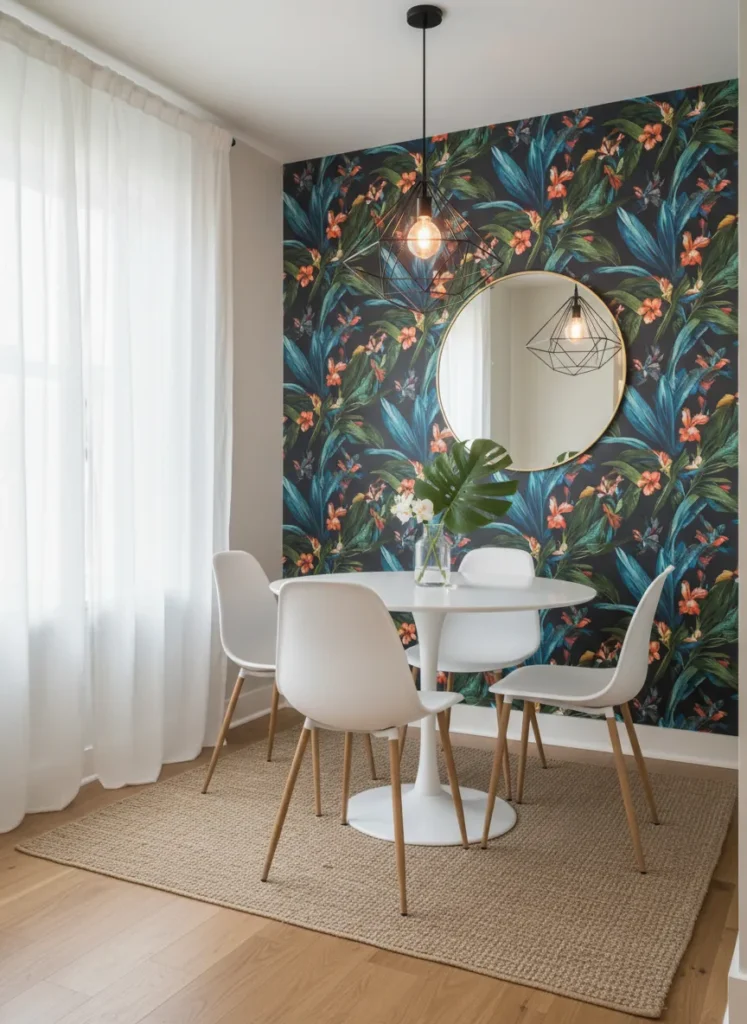
Adding bold wallpaper to a single accent wall can create depth and a strong focal point in a small room. A busy or dark pattern creates a visual destination that distracts from the room’s limited size. It adds a layer of richness and design intent that makes the space feel complete.
Pair the bold wallpaper with simple furniture to prevent the room from feeling overwhelmed. This contrast ensures that the dining area feels curated and stylish. It is a fantastic way to inject color and energy into a small space without taking up a single inch of floor area.
Multifunctional Room Dividers for Dining Room Layouts
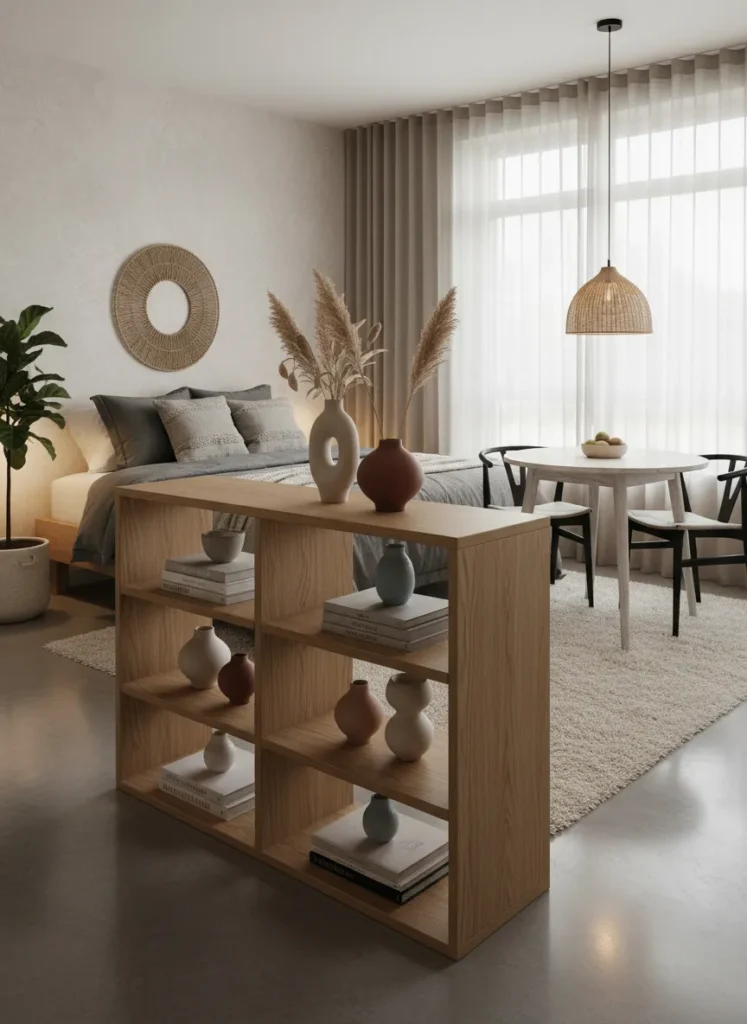
In studio apartments, a multifunctional room divider can help carve out a specific dining niche. An open-back bookshelf is an excellent choice because it provides storage while letting light filter through to the rest of the room. It separates the dining space from the living or sleeping areas without building a solid wall.
This piece of furniture serves a dual purpose: it acts as a storage unit and a partition. You can display decor on the shelves to enhance the dining atmosphere. This smart use of furniture helps organize the flow of an open plan layout, making the small dining area feel private and distinct.
Final Thoughts
Designing a small dining room does not mean you have to sacrifice style or comfort. By incorporating these 16 small dining room design inspirations, you can create a space that is both practical for daily use and beautiful for entertaining guests. Whether you choose a round table for better flow or utilize vertical space with shelving, these ideas prove that good things truly do come in small packages.